Liberia’s Water Infrastructure Challenges: How Bad Is It?

Water is one of the most important things in life – people need clean water to drink, cook, and stay healthy. However, in Liberia, many people do not have easy access to safe water. Some areas have old or broken pipes, while others do not have any proper water systems at all. This makes life difficult for families, schools, hospitals, and businesses.
Good water systems help keep people healthy and allow communities to grow. When clean water is easy to get, children can go to school, workers can do their jobs, and hospitals can run smoothly. But when water is dirty or hard to find, it causes big problems. Let’s take a closer look at why Liberia’s water system is struggling and what can be done to fix it.
Historical Context
Liberia’s water system was not always this bad. Many years ago, before the country’s civil wars (1989-1997 and 1999-2003), some cities had good water systems. People in Monrovia, the capital, had taps in their homes, and the government provided clean water. But when the war started, many pipes and water stations were destroyed.
After the war ended, rebuilding the country became difficult. The government had to fix roads, schools, and hospitals, and water systems were not always a priority. Even today, many water pipes are old, broken, or missing. This means that millions of people still struggle to get safe drinking water every day.
Current State of Water Infrastructure
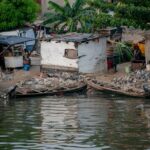
In big cities like Monrovia, some areas have running water, but it is not always clean or reliable. Many homes and schools do not have taps, so people have to buy water from vendors or fetch it from wells. In rural areas (villages and smaller towns), the situation is even worse. Some communities rely on rivers, lakes, or small wells, which can be dirty or dry up during certain seasons.
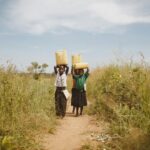
Because of this, people often have to walk long distances to find water. Women and children spend hours every day carrying heavy buckets, taking away time from school or work. Even hospitals in some areas struggle to get clean water, making it hard to treat sick patients safely.
Challenges Facing Water Infrastructure
There are many reasons why Liberia’s water system is still not working well:
- Old and Broken Pipes: Many water pipes were destroyed during the war and have never been fully repaired. Others are old and leak, wasting water.
- Not Enough Money: Fixing water systems costs a lot of money, and Liberia’s government does not always have enough funds to do so.
- Lack of Skilled Workers: There are not enough trained people to build, repair, and manage water systems properly.
- Climate Change: Rainfall patterns are changing and some areas are experiencing droughts or floods, making it harder to get clean water.
All these challenges make it difficult for Liberia to provide safe water to everyone. However, there are efforts to solve these problems, and in the next sections, we will look at how the government and other groups are trying to help.
Impact on Public Health
When people do not have clean water, they often get sick. Many diseases, like cholera, typhoid, and diarrhea, come from drinking dirty water. These illnesses can be very dangerous, especially for young children and older adults.
In some parts of Liberia, hospitals and clinics see many patients with waterborne diseases, putting a lot of pressure on the healthcare system. If hospitals do not have enough clean water, doctors and nurses cannot properly wash their hands, clean medical tools, or treat patients safely.
When people are sick, they cannot go to work or school. This affects families and the entire country. If more people had access to clean water, there would be fewer diseases, and communities would be healthier and stronger.
The Role of Climate Change
Climate change is making Liberia’s water problems even worse. Rain patterns are changing, which means some areas do not get enough water, while others get too much. During the dry season, rivers and wells dry up, making it hard for people to find water. During the rainy season, heavy floods can contaminate water sources with dirt, waste, and harmful germs.
Rising temperatures also means that water evaporates faster, reducing the amount of available drinking water. If these issues are not addressed, more people will struggle to get clean water in the future. Liberia needs to find ways to prepare for these changes and protect its water sources.
Government Efforts and Policies
The Liberian government knows that clean water is important and has made plans to improve the water system. Some of these plans include:
- Rebuilding Old Water Systems: The government has partnered with international organizations to repair broken water pipes and build new ones.
- Providing Safe Water in Schools and Hospitals: Some programs aim to bring clean water to places where it is needed the most.
- Encouraging Private Investments: The government is working with private companies to help improve water supply in different areas.
- Educating People About Water Safety: Some efforts focus on teaching communities how to keep their water sources clean and safe.
Even with these efforts, progress has been slow because of limited funding and resources. Many people in Liberia are still waiting for real improvements in their water supply.
Role of NGOs and International Organizations
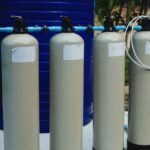
Because the government cannot fix everything alone, many non-governmental organizations (NGOs) and international groups are helping. Some of these organizations dig wells, build water stations, and provide water filters to families. Others work on educating people about hygiene and safe water practices.
Aqua Maya, for example, is a public charity dedicated to improving access to clean and safe water in underserved West African communities, including Liberia. They work on projects that help bring clean water to those who need it most. Groups like UNICEF and the World Bank are also supporting Liberia by funding water projects and training workers. However, there is still a long way to go before everyone in the country has access to safe water.
The Struggle of Women and Children
In many parts of Liberia, women and children are the ones who collect water for their families. Because there are not enough clean water sources nearby, they often walk long distances to fetch water, taking a lot of time and energy. For children, this means missing school because they spend hours searching for water. Without education, they have fewer opportunities for a better future. For women, this means less time for work or taking care of their families.
Carrying heavy buckets of water every day can also hurt their bodies, making them feel tired or even sick. If clean water was closer to homes, women and children would have more time for school, work, and other important things.
Waste Management and Water Pollution
Another big problem is how waste is handled in Liberia. Many places do not have proper toilets or garbage disposal systems. This means that waste often ends up in rivers, wells, and other water sources. When people drink water that is contaminated with waste, they can get very sick. Dirty water also harms animals and plants, making it difficult for farmers to grow food.
Some organizations are working on building better toilets and teaching people how to properly dispose of waste. If waste is managed well, water sources will stay clean, and people will be healthier.
The Role of Community Efforts in Improving Water Access
While the government and large organizations play a big role in fixing Liberia’s water problems, communities also have an important part to play. Many local groups have started small water projects, like digging wells or setting up rainwater collection systems. These efforts help people get clean water faster instead of waiting for big projects that take years to complete.
Education is also key. When communities learn how to keep water sources clean and how to safely store water, they can prevent many diseases. Simple actions, like keeping wells covered and avoiding dumping waste near water sources, can make a big difference.
With the right support, communities can work alongside organizations like Aqua Maya to improve access to safe water. By combining local efforts with larger water projects, Liberia can take meaningful steps toward solving its water crisis.
Conclusion
Liberia’s water problems are serious and affect almost every part of daily life. Many people still struggle to get clean water, leading to health issues, missed school days, and fewer job opportunities. The country’s weak water infrastructure, old pipes, poor waste management, and lack of funding make things even worse.
However, change is possible. By investing in better water systems, fixing broken pipes, and providing more safe water sources, Liberia can improve public health and support economic growth. Organizations like Aqua Maya are already working to bring safe water to communities in need. When more people have access to clean water, they can stay healthy, children can focus on school, and families can build better futures.
Solving Liberia’s water crisis is not just about fixing pipes – it’s about giving people a chance at a better life. Governments, organizations, and individuals must work together to ensure that every person, no matter where they live, has access to clean, safe water.
Sources
1. https://itsaschmahlworld.com/2019/02/19/life-in-liberia-living-without-running-water/
2. https://www.sciencedirect.com/science/article/abs/pii/S0048969717332412