Overcoming Water Scarcity in Guinea-Bissau: Solutions for Rural Communities

While we sleep and enjoy our cozy beds, having sweet dreams, there are people who go to bed knowing their first task of the following day is to find water. Not just any water, but something safe enough to cook with or give their children to drink. For many families in rural Guinea-Bissau, this is their daily reality.
Water scarcity in this West African country is beyond dry land or empty taps. It’s the quiet struggle behind every long walk to a muddy stream, every school day missed to fetch water, and every illness that could’ve been prevented with clean water.
So yes, you can say water is available in Guinea-Bissau, but not always when or where it’s needed most. And even when it’s there, it may not be safe to use.
Why is Water Scarcity a Major Issue in Guinea-Bissau?
Guinea-Bissau has rivers and rainfall, but that doesn’t guarantee access. The problem isn’t just nature – it’s a mix of limited infrastructure, poor water management, and tough weather patterns. Many rural areas rely on seasonal streams or shallow wells that dry up during the dry season.
Droughts and flooding also play a role. During the dry months, wells run low or dry out. In rainy seasons, flooding can contaminate what little water people have with waste and bacteria.
How Water Scarcity Affects Rural Communities
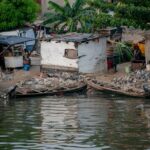
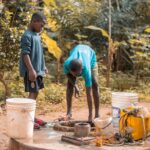
In rural Guinea-Bissau, water scarcity doesn’t just mean thirst – it touches nearly every part of life. Families walk several kilometers just to find water. Most times, it’s the women and children who carry this burden. That means girls are often late to school or drop out entirely, while mothers spend hours daily on a task that should take minutes.
And when the only available water comes from ponds, rivers, or unprotected wells, the health risks multiply. Waterborne diseases like diarrhea and cholera are common, especially in children.
What’s more, with no steady water supply, it becomes harder to grow crops, keep livestock healthy, or run small businesses. It’s a ripple effect, and it starts with something as basic as water.
Local Solutions: What Are People Already Doing?
Even in the face of these challenges, rural communities in Guinea-Bissau aren’t waiting around. Many villages have developed their own coping methods, like collecting rainwater in containers or digging shallow wells by hand. These methods aren’t always safe or reliable, but they reflect resilience and resourcefulness.
In some areas, communities come together to fix broken pumps or build makeshift storage tanks using barrels and tarps. Others rely on local leaders or health workers to organize clean-up days and hygiene awareness sessions.
While these small steps don’t fully solve the water problem, they’re a sign of how much people want change and how ready they are to work for it.
Sustainable Projects That Could Make a Difference
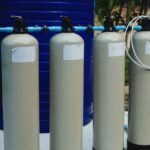
To really change the story, more sustainable solutions are needed, especially those that fit the local context. Projects like solar-powered boreholes, gravity-fed water systems, and community water kiosks are already working well in other parts of West Africa. They could work here too.
For example, in The Gambia, solar-powered water pumps have helped several villages get clean water daily without relying on diesel or electricity.
These kinds of solutions are cost-effective and easier to maintain, making them a good fit for rural Guinea-Bissau.
Rainwater harvesting, when done properly, can also help households and schools get through the dry season. And building covered storage tanks can prevent the kind of contamination that often happens with open containers.
The key is simple, sustainable systems that rural communities can manage on their own – not just today, but for years to come.
The Role of Education and Community Involvement
When it comes to lasting change, clean water systems alone aren’t enough. People need to know how to use and maintain them, and that’s where education makes all the difference.
In many villages, a lack of information leads to unsafe practices, like storing water in open buckets or using contaminated sources during shortages. But when communities understand the risks and know what to do, even the smallest improvements go further.
Simple hygiene education, like teaching kids to wash their hands or showing families how to keep water containers clean, can reduce disease. Community leaders, schoolteachers, and local health workers are often the best people to lead these efforts because they already have the trust of the people.
More than anything, involving the community from the start, from choosing where to dig a well to training someone locally to manage it, helps ensure the solution lasts. It’s not just about water projects. It’s about giving people the tools and knowledge to keep those projects going.
Why Safe Water Access is Key for Development
Clean water does more than quench thirst – it’s a foundation for progress.
In Guinea-Bissau, where many people still rely on open sources or walk long distances for water, the ripple effects go far beyond daily inconvenience. When families have access to safe water, kids, especially girls, can go to school instead of spending hours fetching water. According to UNICEF, girls in water-scarce areas are more likely to miss school due to water-related chores or illnesses.
Health also improves dramatically. The World Health Organization (WHO) links unsafe water to diseases like diarrhea, cholera, and typhoid – all of which can be deadly, especially for young children. With clean water, communities can reduce hospital visits and grow stronger overall.
And then there’s the economic side: when people spend less time looking for water or recovering from waterborne illnesses, they can work, earn, and build. A simple borehole or tank can increase productivity across an entire village.
Water access is more than just a human right – it’s a stepping stone to education, health, and long-term growth. That’s why every clean source counts.
Why Water Access is Key to Guinea-Bissau’s Future
Water isn’t just about survival, it’s the backbone of progress. When a village gets safe water, everything changes – kids go to school more consistently, health improves, women have more time to earn or rest, and entire communities begin to grow in new ways.
In Guinea-Bissau, where most of the population lives in rural areas, expanding water access could unlock so much potential. It could mean stronger schools, better farms, healthier families, and more stable incomes. But without water, these basic dreams remain just out of reach.
That’s why improving water access isn’t just a health issue – it’s a development priority. As more organizations and local leaders invest in clean, reliable water systems, the future starts to look a little brighter.
How Can Readers and Supporters Help?
You don’t have to live in Guinea-Bissau to make a difference there. Clean water access might feel like a huge issue, and it is, but even small actions can go a long way.
One of the biggest ways to help is by supporting trusted NGOs working on sustainable water solutions. Donations help fund projects like boreholes, tanks, and hygiene training in communities that need them most. Even when projects are still in progress, early support builds the foundations.
Advocacy is another powerful tool. Sharing stories, raising awareness on social media, or even starting conversations in your circles helps keep water access on people’s minds. You never know who might be moved to act.
Volunteering – whether through time, skills, or networks – also supports the mission. For example, writers, engineers, health workers, or educators can contribute in ways that go beyond just money.
At the heart of it all is the belief that everyone deserves safe water. And when more people care, more solutions begin to flow.
The Role of NGOs and Future Possibilities
Nonprofits and community groups have been essential in tackling water access issues in West Africa, and they’ll continue to be a big part of the solution in Guinea-Bissau too. With limited government resources and wide rural spread, outside help can bring both funding and technical know-how where it’s needed most.
NGOs help in many ways – from building and maintaining water systems to training locals on hygiene and upkeep. The best ones don’t just drop off equipment and leave; they work with communities, listen to their needs, and build solutions that last.
Aqua Maya, though still new and in the early stages of project development, is among the organizations focused on long-term water access solutions in the region. Their goal is simple: help rural West African communities get safe, sustainable water. That kind of focus, especially when backed by strong local partnerships, holds a lot of promise for places like Guinea-Bissau.
As more organizations invest in research, solar tech, and eco-friendly systems, the future of water access in the region could look very different. The challenge is big, but so is the opportunity.
Conclusion
Water scarcity in Guinea-Bissau isn’t just about dry taps or long treks – it’s about the weight that entire communities carry every day. But it doesn’t have to stay this way.
From traditional wells to solar-powered systems, each effort, no matter how small, brings us closer to a future where safe water isn’t a privilege, but a basic part of life. It’s about giving families peace of mind, helping children stay in school, and building stronger, healthier communities.
Progress may be slow, but it’s possible, and it starts with awareness, collaboration, and a shared commitment to change. Guinea-Bissau has the potential. With the right support, it can also have the solutions.
Sources:
1. https://www.unicef.org/guineabissau/water-sanitation-and-hygiene
2. https://www.mdpi.com/2073-4441/16/24/3621
3. https://www.unicef.org/media/84386/file/Girls-education-and-WASH-2020.pdf