How Flooding Affects Water Quality in Guinea-Bissau and What’s Being Done About It

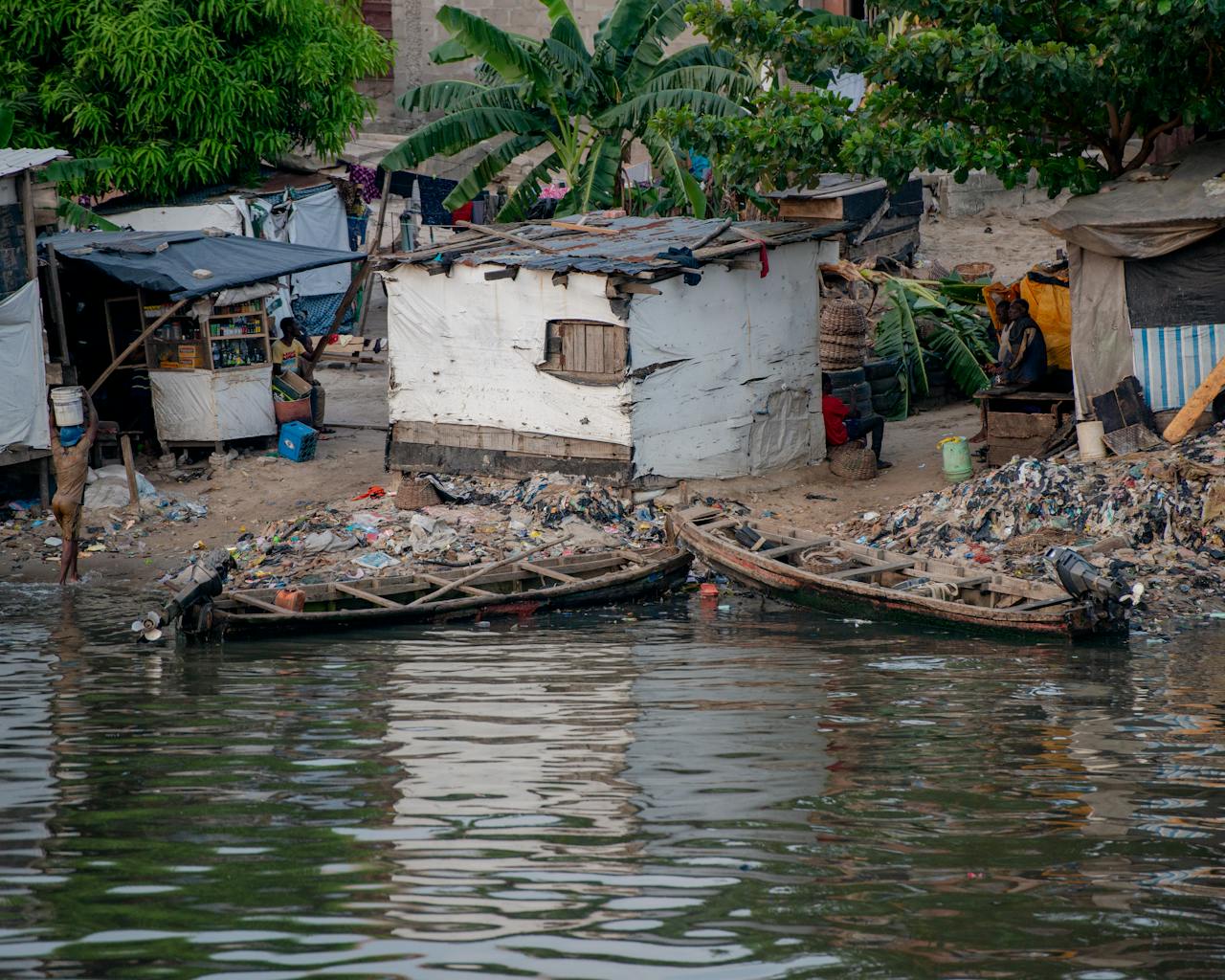
At first glance, floodwater might just look like an overflow of rain – messy, sure, but temporary. In reality, it’s more than puddles and muddy roads. For many people living in Guinea-Bissau, floods mark the beginning of a much bigger struggle: the fight to find safe drinking water.
Flooding isn’t just inconvenient – it can turn already fragile water sources into dangerous breeding grounds for disease. And when the rain comes, it doesn’t just wash away dirt. It spreads sewage, waste, and bacteria into the very water people rely on.
The Flooding Situation in Guinea-Bissau
Guinea-Bissau has a tropical climate with heavy rains between May and October. For rural and coastal communities – especially places like Bissau and the southern regions – flooding is a common issue during the rainy season.
As of December 15, 2022, the worst flooding in years affected 8.2 million people in 20 countries in West and Central Africa. Roads were washed out, latrines overflowed, and homes were destroyed. For low-income areas with poor drainage, even a few hours of heavy rain can lead to dangerous flooding conditions.
How Flooding Contaminates Water Sources
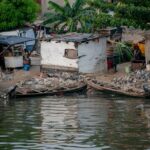
When floods hit, they don’t come alone. They carry dirt, feces, garbage, and sometimes chemicals straight into open wells, rivers, and even storage tanks. In rural areas, where people often depend on hand-dug wells or surface water, this means their only water source becomes unsafe overnight.
Overflowing pit latrines, broken sewage lines, and uncollected waste all mix with floodwater. The result? Contaminated drinking water that can cause diseases like cholera and typhoid.
According to WHO, diseases such as diarrhea, cholera, dysentery, typhoid, and polio are estimated to cause approximately 505,000 diarrheal deaths each year, no thanks to contaminated water.
The Health Risks: What Happens After the Flood
Once the floodwater settles, that’s when the real problems often begin.
Contaminated water quickly becomes a health crisis, especially in areas where people don’t have access to proper toilets or clean water alternatives. Waterborne diseases – like cholera, hepatitis A, dysentery, and diarrhea – spread fast, especially among children, the elderly, and people with weakened immune systems.
In Guinea-Bissau, where many communities rely on untreated water and health services are limited, this puts lives at serious risk. According to the World Health Organization (WHO), diarrheal disease remains one of the leading causes of death in low-income countries, and floods only make it worse.
Coping Mechanisms: What Locals Are Doing
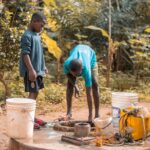
Despite the challenges, local communities aren’t just waiting around. Many are doing what they can to protect their water and their families:
- Boiling water before drinking is a common practice, even though it’s time-consuming and not always possible when fuel is limited.
- Digging trenches to divert floodwater from wells is a simple, but effective method.
- Raising water containers off the ground and covering them with tight lids helps keep out flood debris and insects.
- In some areas, people collect rainwater in containers they clean regularly, although the risk of contamination still exists if not handled properly.
These efforts are born out of necessity. They’re not always perfect, but they show resilience in the face of limited options.
What NGOs Are Doing (and Planning) to Help
This is where long-term solutions come in and where non-governmental organizations (NGOs) begin to play a vital role.
Many organizations working in West Africa are helping to improve sanitation and water infrastructure to protect communities during the rainy season. These include building elevated, sealed latrines that don’t overflow easily, introducing safer water storage systems, and promoting hygiene education before the rains begin.
Aqua Maya, a U.S.-based NGO focused on bringing safe water to underserved communities in West Africa, is developing clean water projects that will help tackle challenges like these. While their projects are still in the works, their long-term focus includes providing reliable, flood-resilient solutions that local communities can manage and maintain themselves.
In areas where flooding and poor drainage are common, these interventions can save lives – especially if they’re tailored to the needs of each community.
Why Safe Water Access Matters Beyond the Floods
Floods don’t just bring short-term chaos – they highlight a deeper issue: the need for consistent, safe water access, no matter the season.
When families have a steady supply of clean water, they’re not just protected from flood-related diseases. They also have the foundation for better health, stronger children, and improved livelihoods. Girls can stay in school instead of spending hours collecting water. Farmers can grow food. Small businesses can thrive.
In fact, a WHO study in 2012 calculated that for every $1 invested in water and sanitation, there was a return of about $5.50 in reduced health care costs, more productivity, and fewer premature deaths. That’s how powerful clean water can be.
In Guinea-Bissau’s rural areas – where access to basic services is already limited – safe water access becomes a building block for everything else. It’s not just about avoiding illness during floods. It’s about giving communities a fair shot at a better life, year-round.
What Can Be Done to Improve Water Quality During Floods?
While flooding is natural, the waterborne diseases that follow don’t have to be. There are several simple but powerful actions that can protect rural communities in Guinea-Bissau before, during, and after floods.
First, better drainage systems. When water has nowhere to go, it becomes stagnant, attracting mosquitoes and mixing with waste. Even basic trenching and community-led cleanup efforts can help keep runoff from pooling in homes and wells.
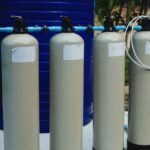
Second, water purification methods matter. Simple technologies, like chlorine tablets, ceramic filters, and solar disinfection (SODIS), can make contaminated water safer for drinking. These low-cost solutions can be scaled for households and schools – especially in remote areas.
Third, education is key. Teaching people how to store water safely and avoid contamination during floods can go a long way. Interventions which promote hand washing have been shown to lower the risk of diarrhea morbidity by about 30%.
And lastly, planning ahead helps. Flood-prone regions need emergency water kits, early warning systems, and reliable boreholes that aren’t easily affected by rising waters. All of these can be developed with local input and support from NGOs.
No solution is perfect on its own. But together, these efforts can create a safer, more water-secure future – even in flood season.
The Hidden Link Between Climate Change and Water Quality
Flooding in Guinea-Bissau is not just a seasonal problem – it is getting worse, and climate change has a lot to do with it. As rainfall patterns shift and sea levels rise, the country faces more unpredictable storms and heavier downpours. This leads to sudden floods that overwhelm weak infrastructure and contaminate water sources.
But climate change doesn’t just bring more water – it often brings less clean water. Rising temperatures dry up safe water supplies, while floods spread pollutants farther and faster. In low-lying coastal regions, saltwater intrusion is also becoming a growing issue, making freshwater sources brackish and undrinkable.
This changing climate calls for new ways of thinking. Solutions like:
- climate-resilient water infrastructure
- rainwater harvesting, and
- better land use planning
are no longer optional – they’re essential.
Communities that prepare for these changes now will be more protected, not just from today’s floods, but from tomorrow’s climate shocks.
Educating Communities on Safe Water Practices
Even when clean water solutions are introduced, community knowledge plays a huge role in keeping water safe. In many parts of Guinea-Bissau, people rely on open wells, rivers, and rainwater – sources that are easily contaminated if not handled carefully.
Education programs can make a big difference. Teaching families how to store water safely, use basic purification methods like boiling or filtration, and maintain clean environments around water points can help prevent disease outbreaks. These small but powerful steps protect the entire community, especially during the rainy season when contamination risks are higher.
When education goes hand-in-hand with infrastructure, the result isn’t just cleaner water – it’s healthier homes, stronger communities, and fewer children falling sick from preventable diseases.
Conclusion
Flooding in Guinea-Bissau may be natural, but the unsafe water it leaves behind doesn’t have to be. From poor drainage to open wells, the risk to families – especially in rural communities – is real. But the good news? Change is possible.
By combining local knowledge with practical solutions – like better sanitation systems, stronger infrastructure, and climate-smart planning – we can protect more people from the dangers of contaminated water. When non-governmental organizations (NGOs) like Aqua Maya, local leaders, and everyday people come together, even small efforts ripple out into lasting impact.
The road ahead is long, and many of the projects are still just getting started. But step by step, it’s possible to build a future where every community has access to water that’s not just available, but safe.
Because safe water shouldn’t be a privilege. It should be a basic, everyday right.
Sources
1. https://reliefweb.int/report/nigeria/west-and-central-africa-flooding-situation-15-december-2022
2. https://www.unicef.org/guineabissau/water-sanitation-and-hygiene
3. https://www.who.int/news-room/fact-sheets/detail/drinking-water