Waterborne Diseases in Guinea-Bissau: Causes, Risks, and Prevention

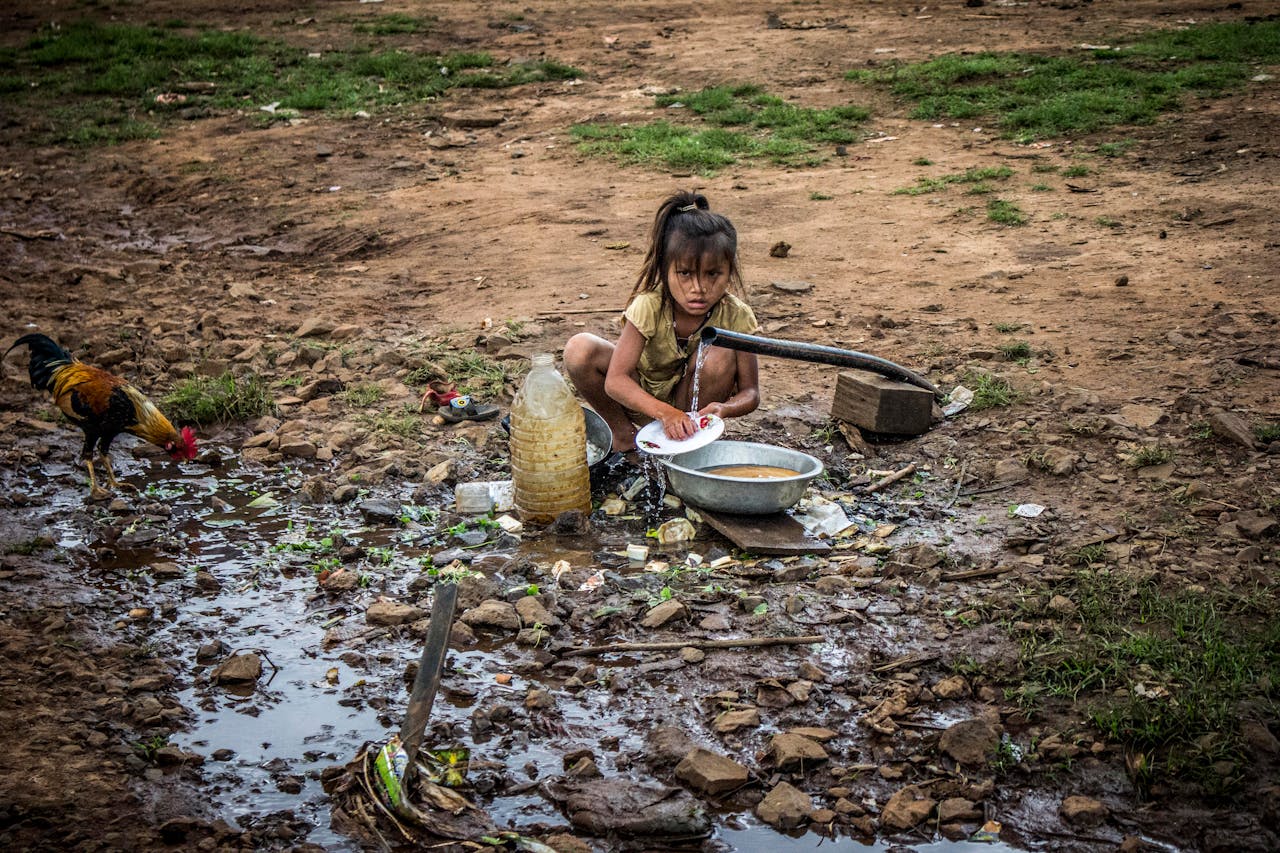
“Water is life,” they say, but what happens when the water you use becomes the very thing that makes you sick?
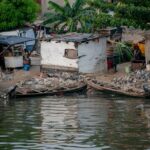
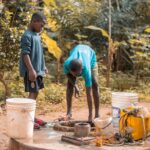
In many parts of Guinea-Bissau, especially in rural communities, water is fetched from open wells, rivers, or hand-dug holes. For families without access to clean water, the risk of falling ill from what seems like a basic necessity is all too real.
Waterborne diseases are illnesses caused by drinking or coming into contact with contaminated water. These illnesses don’t just cause discomfort. They can lead to serious health problems and, in some cases, even death. For children, pregnant women, and older adults, the risks are even higher.
What Causes Waterborne Diseases in Guinea-Bissau?
Several everyday challenges contribute to the spread of waterborne diseases in the country. One of the biggest culprits is water contamination, especially when water sources are exposed to human waste, animal droppings, or garbage. In areas where open defecation is common or sanitation systems are lacking, it’s easy for bacteria, viruses, and parasites to find their way into the water people drink or use for cooking.
Another common issue is poor water handling. Even when families manage to collect water from a relatively clean source, it may still become unsafe if stored in open containers, shared between multiple people, or left uncovered for long periods.
Guinea-Bissau ranks among the 20 countries with the poorest water quality. According to the World Population Review, only 24% of its population has access to safely managed drinking water services. This leaves millions vulnerable to diseases that can easily be prevented with clean water and better hygiene.
Most Common Waterborne Diseases in the Country
Cholera is one of the most feared waterborne diseases in Guinea-Bissau, and for good reason. It spreads quickly through contaminated water and can lead to severe dehydration if not treated early. In 2022, the West African region, including Guinea-Bissau, saw a resurgence in cholera outbreaks, putting thousands at risk.
Typhoid fever is also a major concern, especially in urban slums and overcrowded areas where clean water is scarce. Other common diseases include hepatitis A, giardiasis, and diarrheal illnesses – the last of which remains a leading cause of death among children under five, according to UNICEF.
In many cases, families may not even realize that the water they’re using is unsafe. They may notice symptoms like vomiting, fever, or stomach cramps, but not connect them to the water they drank the day before. This gap in knowledge, coupled with poor access to health services, worsens the impact of these illnesses – especially in rural communities where clean water and treatment options are harder to come by.
Health and Social Impact of These Diseases
The effects of waterborne diseases in Guinea-Bissau go far beyond the hospital bed. They ripple through every part of life, especially in communities already struggling with poverty and limited infrastructure.
For one, children miss out on school. When they fall sick or have to care for younger siblings who are ill, education takes a backseat. Over time, this affects literacy rates and reduces future opportunities.
Adults aren’t spared either. A parent battling typhoid or caring for a sick child may miss days, or weeks, of farming, fishing, or small-scale trading. That means lost income and a harder time providing basic needs for the family.
Health systems also feel the weight. In areas with limited clinics, waterborne disease outbreaks stretch already fragile resources. Beds fill up quickly, essential medicines run low, and medical staff are overwhelmed.
Why Rural Areas Are Most at Risk
In Guinea-Bissau, the gap between urban and rural water access is striking. While some towns have basic infrastructure in place, many villages still depend on open wells, rivers, or seasonal streams for water – sources that are often contaminated.
One major challenge is distance. In some rural areas, fetching water means walking for hours, and when the nearest clean source is too far, families often settle for whatever is closest even if it’s not safe. This increases the risk of waterborne diseases.
Poor sanitation is another issue. Many rural households do not have proper toilets or waste disposal systems. Open defecation remains a common practice, especially in hard-to-reach areas. When waste isn’t properly managed, it easily seeps into water sources, spreading disease faster than most people realize.
Add limited access to healthcare and the situation becomes even more dangerous. By the time someone gets to a clinic (if there is one), a simple case of diarrhea may have become life-threatening, especially for children and the elderly.
Cultural practices and lack of awareness also play a role. Some families store water in uncovered containers or don’t treat it before use, simply because they don’t know the risks. Without consistent education, these habits continue.
But all hope isn’t lost. Communities are beginning to organize, learn, and adapt. With the right support and tools, rural areas can lead the charge toward safer water and healthier lives.
Community-Based Prevention Strategies
When it comes to preventing waterborne diseases, the most effective solutions often come from the communities themselves. Empowering locals with the right knowledge and tools is key to breaking the cycle of contamination and illness.
1. Education and Hygiene Campaigns
One of the best ways to prevent waterborne diseases is through education. By teaching people about the importance of handwashing, safe water storage, and sanitation, communities can make huge strides in protecting themselves. Hygiene campaigns that emphasize handwashing with soap, especially after using the toilet or before preparing food, have been shown to significantly reduce the spread of diseases like diarrhea.
2. Safe Water Storage and Treatment
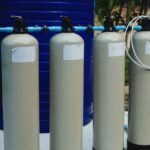
In many areas, simply storing water safely can prevent contamination. Communities are being encouraged to use covered containers to keep water free from dirt, insects, and human contact. In addition, simple treatment methods like boiling water or using water filters can drastically reduce the presence of harmful bacteria.
3. Local Initiatives and Cooperation
Several local initiatives are already helping to improve water access and hygiene practices. In some regions, women and youth groups are spearheading education programs on water treatment and hygiene. These groups have become trusted sources of information, passing on essential knowledge to their families and neighbors.
Community-led initiatives, like building rainwater harvesting systems, digging new wells, and improving drainage systems, are also making a significant difference. With these initiatives, communities are taking ownership of their water safety, ensuring sustainable, long-term solutions.
In places where local infrastructure is lacking, NGOs like Aqua Maya are collaborating with community leaders to fund and support grassroots solutions. Through training, partnerships, and the sharing of best practices, communities are steadily becoming more resilient to waterborne diseases.
The Role of Awareness and Education
Knowledge truly is power when it comes to preventing waterborne diseases. In Guinea-Bissau, many families have never been taught how diseases spread through water. Awareness campaigns – through radio, community health workers, or schools – are key in helping people understand how small changes in daily habits can lead to big health improvements.
Training local leaders, especially women and youth, to be advocates for clean water and hygiene makes a lasting difference. When people see change coming from within their own community, they’re more likely to listen, trust, and take action.
The Role of Improved Sanitation and Hygiene Facilities
When discussing waterborne diseases, it’s impossible to ignore the crucial role of sanitation and hygiene facilities. Safe water access doesn’t just mean providing clean drinking water – it also involves ensuring that communities have the necessary facilities to prevent contamination.
1. Sanitation and Disease Prevention
Improper sanitation is one of the leading causes of waterborne diseases. Without toilets or safe disposal of waste, contaminated water can easily make its way into water sources, leading to outbreaks of diseases like cholera and typhoid. In rural areas of Guinea-Bissau, where latrines and waste disposal systems are often scarce, unsafe sanitation practices directly contribute to the spread of these diseases.
By ensuring that every household has access to a latrine, communities can significantly reduce water contamination. Pit latrines, though simple, are an affordable and effective solution for waste disposal. Proper drainage systems that channel waste away from water sources also help protect both drinking and bathing water from contamination.
2. Handwashing Stations and Hygiene Facilities
Handwashing with soap is one of the most basic, yet effective ways to prevent waterborne diseases. In Guinea-Bissau, many communities are still lacking handwashing stations, which are vital in preventing the spread of bacteria from unclean hands to food, water, and other surfaces. Installing handwashing stations in homes, schools, and public areas can help break the chain of infection.
NGOs and local governments are working together to improve sanitation and hygiene facilities. For instance, Aqua Maya is exploring ways to support these initiatives by bringing safe sanitation solutions to rural communities in West Africa. Through projects aimed at improving access to toilets, handwashing stations, and waste management systems, communities can become more resilient to waterborne diseases.
The collaboration between NGOs, local governments, and communities is essential for creating long-lasting improvements in sanitation and hygiene. By making sanitation a priority, Guinea-Bissau can make significant strides in reducing waterborne diseases.
Conclusion
The link between clean water and good health is undeniable. For Guinea-Bissau, improving water access is not just about providing a basic necessity; it’s about enabling people to live healthier, more dignified lives. By addressing waterborne diseases, we reduce the strain on healthcare systems, prevent school absenteeism, and improve overall community well-being.
As we’ve seen, waterborne diseases continue to have a heavy toll on Guinea-Bissau’s population, especially in rural areas where access to safe water and sanitation facilities is limited. However, with collective efforts from the global health community, NGOs like Aqua Maya, and local governments, there is hope for a future where clean, safe water is no longer a luxury, but a right for every person in Guinea-Bissau.
In the face of these challenges, it’s clear that there’s no one-size-fits-all solution. But with the right mix of education, infrastructure improvements, community participation, and ongoing international support, we can make a lasting difference. The future is bright, but it depends on our willingness to act now, ensuring that no community is left behind in the fight against waterborne diseases.
Sources
1. https://www.unicef.org/water-sanitation-and-hygiene-wash
2. https://www.unicef.org/guineabissau/water-sanitation-and-hygiene
5. https://www.who.int/health-topics/water-sanitation-and-hygiene-wash