Clean Water Challenges in Guinea: Solutions for Safe Drinking Water in 2025

Access to clean drinking water is a pressing issue in Guinea, where millions face daily challenges due to contaminated or scarce water sources. From urban centers, like Conakry, to remote villages, the struggle for safe water affects health, education, and livelihoods. This article explores the key obstacles to clean water in Guinea and highlights practical solutions for 2025, including efforts by Aqua Maya, an organization which is working to improve water access for West African communities. By understanding these challenges and solutions, residents and visitors can take steps to ensure safe drinking water.
The Scale of Guinea’s Water Challenges
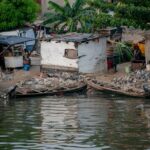
Guinea’s water crisis stems from a combination of environmental, infrastructural, and social factors. According to the World Health Organization (WHO), only 69.4% of Guinea’s population had access to at least basic water sources in 2020, leaving over 4 million people reliant on unsafe wells, rivers, or ponds. Urban areas have piped systems managed by the Société des Eaux de Guinée (SEG), but these are often outdated, with leaks allowing contaminants to enter. In rural areas, where over 60% of Guineans live, water infrastructure is minimal and open water sources are prone to pollution.
Waterborne diseases are a major consequence. Several cases of diarrheal illnesses have been reported in Guinea, largely linked to contaminated water. Cholera and typhoid remain threats, particularly during the rainy season (June to November), when flooding spreads bacteria like E. coli. A 2020 study in neighboring Guinea-Bissau found that tested water sources, including piped systems, showed fecal contamination, reflecting similar issues in Guinea.
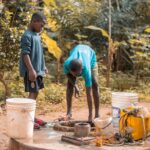
Economic barriers worsen the crisis. Poorer households cannot afford bottled water or filters, forcing them to use unsafe sources. Women and children, who often fetch water, spend hours daily on this task, limiting time for school or work.
Key Challenges to Clean Water
Aging Infrastructure
Guinea’s urban water systems, built decades ago, suffer from frequent breakdowns and leaks. Water points in Conakry that are contaminated by E. Coli is mostly due to pipe damage and illegal connections. Rural areas lack piped systems entirely, relying on hand-dug wells or rivers that are easily polluted by livestock or human waste.
Environmental Factors
Guinea’s climate, with heavy rains and dry spells, complicates water safety. Floods during the rainy season wash pollutants into water sources, while the dry season (December to May) reduces water availability, forcing reliance on stagnant pools.
Limited Treatment Capacity
Water treatment plants in cities like Conakry struggle with power outages and outdated equipment. Rural communities rarely have access to treatment, increasing their vulnerability.
Socioeconomic Disparities
Wealthier households can buy bottled water or install filters, but low-income families, especially in rural areas, have few options. This gap highlights the need for equitable solutions, such as those pursued by Aqua Maya, which aims to bring safe water to underserved communities in Guinea.
Health and Social Impacts
Contaminated water drives Guinea’s high rates of waterborne diseases. Diarrhea alone accounts for significant child mortality, with approximately 1 in 10 children in Guinea dying before age five, often due to water-related illnesses. Typhoid and cholera outbreaks, though less frequent, can devastate communities, especially during floods.
Beyond health, the water crisis limits opportunities. Girls miss school to fetch water and adults lose income spending hours on this task. Polluted rivers also harm fishing and farming, key livelihoods for many Guineans. Plastic waste from bottled water, without proper recycling, litters landscapes and waterways, adding environmental strain.
Solutions for Safe Drinking Water in 2025
Despite these challenges, Guinea is making progress towards cleaner water. Here are key solutions for residents, travelers, and communities in 2025:
Water Treatment at Home
- Boiling: Boiling water for one minute kills most pathogens, as recommended by the Centers for Disease Control and Prevention (CDC). It’s reliable but requires fuel, which can be costly.
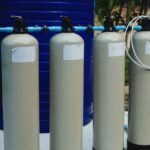
- Filtration: Portable filters with a 0.1-micron pore size remove bacteria and some chemicals. They’re ideal for households and travelers but need regular maintenance.
- Chemical Treatment: Chlorine or iodine tablets disinfect water, though they’re less effective against parasites like Cryptosporidium. Chlorine dioxide tablets are a good alternative.
- UV Purification: UV devices neutralize germs and are portable, but they require batteries and clear water. They’re gaining popularity in urban areas.
Bottled Water
Bottled water is common in cities, but it’s expensive. Additionally, bottled water in developing countries may not always be safe due to lax regulations, so it’s important to check seals and choose trusted brands.
Infrastructure Improvements
The government, with World Bank support, is upgrading urban water systems. The 2020 Urban Water Supply Project aims to fix Conakry’s pipes, reducing contamination. However, only a fraction of urban residents have piped water, and rural areas remain underserved.
NGO and Community Efforts
NGOs, like Expertise France and UNICEF, are installing boreholes and promoting hygiene education. Since 2015, these efforts have increased access to improved water sources. Community water committees maintain wells and monitor quality, ensuring long-term impact.
Innovative Technologies
Solar-powered purifiers and ceramic filters are emerging as affordable options for rural areas. These technologies require minimal maintenance and can serve entire communities.
Practical Tips for Safe Water
- Residents: Boil or filter water daily. Join community water committees to access NGO-supported boreholes.
- Travelers: Avoid tap water, ice, or foods washed in tap water. Carry a reusable bottle with treated water to reduce plastic use.
- Stay Informed: Monitor local water quality updates, especially during floods or pipe repairs.
- Hygiene: Use treated water for handwashing and avoid swallowing water while showering.
The Impact of Education and Awareness on Water Safety
Education is a powerful tool for improving water safety in Guinea. Teaching communities about safe water practices, like boiling or filtering, can reduce waterborne diseases. Hand-washing in everyday life is effective for reducing the risk of diarrhea. In Guinea, schools are starting to include lessons on water safety, helping children learn habits like handwashing with clean water.
Community workshops, often led by NGOs, teach adults how to maintain wells and recognize contaminated sources. These programs empower people to take control of their water safety, even with limited resources. Aqua Maya supports this approach, working with communities to raise awareness and develop sustainable water solutions. By spreading knowledge, these efforts create a culture of health and responsibility, paving the way for long-term change.
The Role of Community Action in Improving Water Safety
Communities across Guinea are stepping up to tackle water challenges, often leading where infrastructure falls short. In rural areas, water committees manage boreholes and wells, ensuring they remain clean and functional. Community-managed water points are more likely to stay operational than those without local oversight. These groups also teach hygiene practices, like using safe water for cooking, to prevent disease.
In cities, neighborhoods are organizing to report pipe leaks and push for repairs. Some communities pool funds to build protected wells, reducing reliance on polluted sources. These efforts show the power of local initiative, especially when supported by organizations like Aqua Maya, which collaborates with communities to develop sustainable water solutions. By empowering locals to lead, these projects create lasting change, making safe water more accessible.
Hope for 2025 and Beyond
Guinea’s path to clean water relies on innovation, education, and collaboration. Schools are starting to teach hygiene, helping children adopt safe water habits. Technologies like solar purifiers are expanding, offering affordable solutions for remote areas. Public awareness campaigns, supported by the WHO, encourage boiling and filtration, reducing disease rates.
Aqua Maya’s work with local communities is part of this progress, focusing on sustainable water access for Guinea’s villages. In 2025 and beyond, partnerships between governments, NGOs, and communities could significantly improve water safety, transforming lives and protecting the environment.
Conclusion
Guinea faces significant clean water challenges, from aging pipes and climate impacts to economic barriers and health risks. However, solutions like boiling, filtration, infrastructure upgrades, and community action are making a difference. Organizations like Aqua Maya are helping by supporting local water projects, bringing hope for safer drinking water in 2025 and beyond.
Residents and travelers can stay safe by treating water and staying informed. With continued effort, Guinea can overcome its water crisis, ensuring clean water for all. Until then, proactive steps are essential for health and well-being.
FAQs
Why is Guinea’s water unsafe?
Contamination from bacteria, chemicals, and poor infrastructure makes tap water and rural sources risky.
What diseases are linked to Guinea’s water?
Diarrhea, cholera, and typhoid are common, caused by pathogens like E. coli.
How can I treat water in Guinea?
Boil for one minute, use a 0.1-micron filter, or add chemical tablets. UV purifiers are also effective.
Are there improvements in Guinea’s water systems?
Yes, government and NGO efforts are upgrading pipes and installing boreholes, but progress is slow.
How can communities help?
Local water committees maintain wells and promote hygiene, improving access to safe water.
Sources
1. https://data.unicef.org/topic/child-survival/under-five-mortality/
2. https://pmc.ncbi.nlm.nih.gov/articles/PMC7829977/
3. https://rapport-annuel.expertisefrance.fr/projects/pasa2/
4. https://www.sciencedirect.com/science/article/pii/S2468312423000135