Exploring Safe Drinking Water Options for Sierra Leone Residents

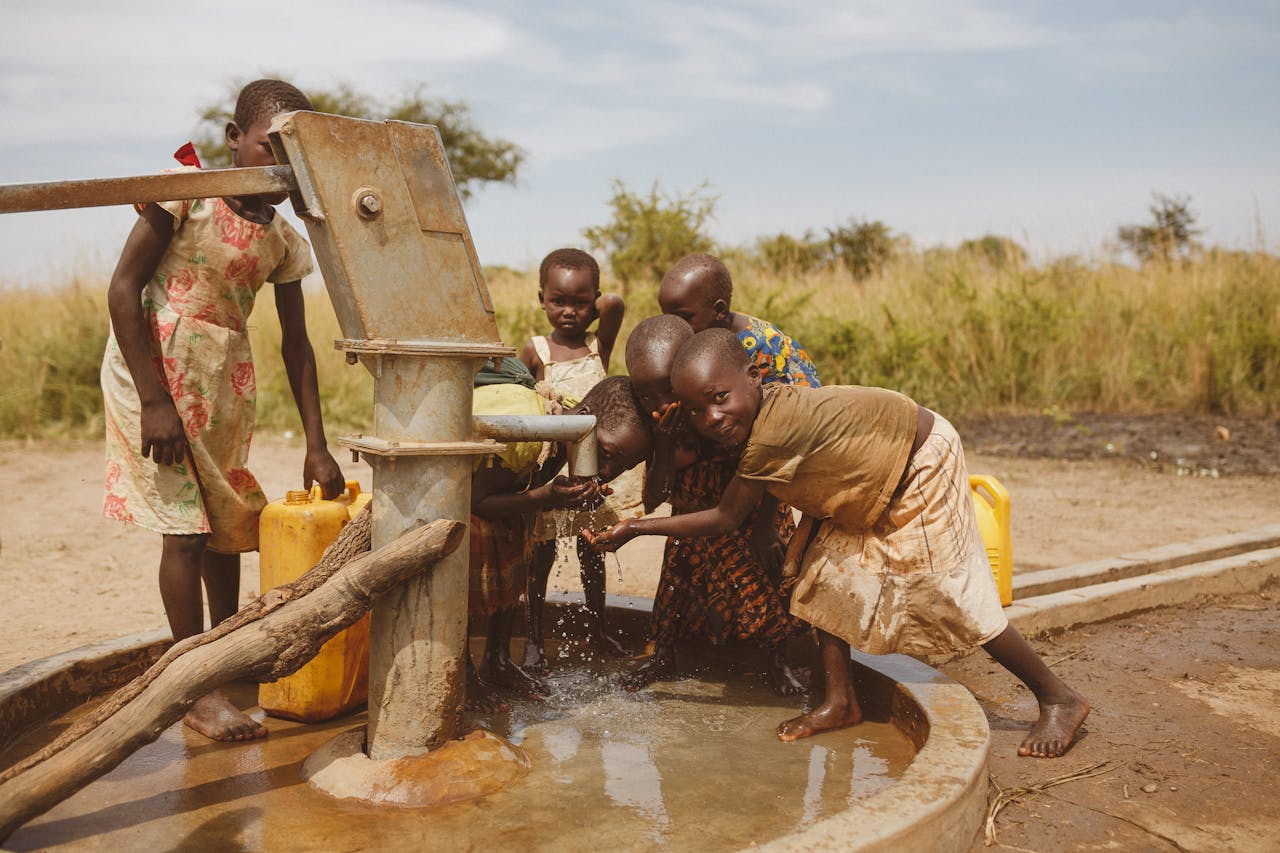
Each day in Bo, Sierra Leone, Mariatu takes extra care to treat water from a nearby well before her children drink it. It’s a simple routine, but one that protects her family from illness – and it’s a habit shared by many others across the country. In Sierra Leone, safe drinking water is still out of reach for millions. Contaminated wells, rivers, and broken pipes put families at risk, especially in rural areas.
This article looks at practical ways Sierra Leoneans can stay safe, from basic household water treatments to larger community efforts. Whether you live in a city or village, you’ll find helpful options to make water cleaner, safer, and easier to reach.
The Risks of Unsafe Water
Unsafe water is more than dirty – it’s dangerous. In urban areas, like Freetown, broken pipes and poor drainage systems allow germs to spread into the water supply.
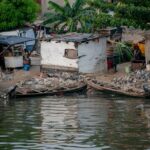
In rural areas, families often fetch water from open wells or nearby rivers shared with animals. These sources are easily polluted, especially during floods.
This is why Aqua Maya supports long-term water projects that include not just wells, but also training. When people know how to keep their water sources safe, they can protect their families for years to come.
The Main Sources of Drinking Water in Sierra Leone
In Sierra Leone, people rely on various sources for drinking water, each with its own challenges:
- Surface Water: Many communities collect water directly from rivers, lakes, and streams. While these sources are abundant, they are often contaminated due to pollution and lack of proper sanitation.
- Groundwater: Some areas use wells and boreholes to access groundwater. Protected wells can provide safer water, but unprotected ones are vulnerable to contamination.
- Rainwater Harvesting: Collecting rainwater is a common practice, especially during the rainy season. However, this method is seasonal and depends on proper storage to keep the water safe.
Despite these sources, access to safe drinking water remains a significant issue, particularly in rural areas where infrastructure is limited.
Common Water Treatment Methods
To make water safer for drinking, many Sierra Leoneans use simple treatment methods:
- Boiling: Boiling water is an effective way to kill germs. However, it requires fuel and time, which can be scarce resources for some families.
- Chlorination: Adding chlorine to water can disinfect it. This method is often used in emergencies and urban areas, but it requires access to chlorine and knowledge of proper usage.
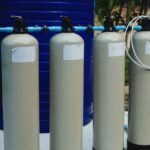
- Filtration: Using filters, such as bio-sand or ceramic filters, helps remove impurities from water. These filters are effective, but need regular maintenance and replacement.
- Solar Disinfection (SODIS): This method involves filling clear plastic bottles with water and placing them in direct sunlight for several hours. The sun’s UV rays help kill harmful organisms. SODIS is cost-effective and suitable for sunny regions.
Implementing these methods can significantly reduce the risk of waterborne diseases and improve overall health.
Safe Water Technologies That Work
In many parts of Sierra Leone, communities are using simple, affordable technologies to make water safe for drinking. These tools are helping reduce disease and give families peace of mind.
- Bio-sand and ceramic filters are one of the most effective solutions for home use. These filters remove bacteria and dirt without needing electricity. Studies show that bio-sand filters can remove up to 98% of bacteria and are being used across West Africa to support safe water at the household level.
- Solar-powered boreholes are also gaining attention. These systems use sunlight to pump water from underground, making it easier for entire villages to access clean water – especially in areas where electricity is unreliable. Organizations like UNICEF and WaterAid have supported solar-powered systems in rural Sierra Leone, helping hundreds of families avoid long walks to unsafe rivers and ponds.
- Rainwater harvesting systems collect and store rain from rooftops, which can be treated and used for drinking. Though seasonal, this method is becoming more common in schools and health centers, where clean water is urgently needed.
Aqua Maya is also exploring ways to support these proven technologies, ensuring that the solutions are not just available, but also affordable and easy to maintain. Their upcoming projects aim to strengthen local ownership so communities can continue using these tools for years to come.
What Communities Are Doing Right
Communities across Sierra Leone are making notable progress in improving access to safe water, sanitation, and hygiene (WASH). Their proactive involvement, local leadership, and partnership with organizations have driven meaningful change. Here’s what communities are doing right:
1. Establishing and Training WASH Committees
With help from the African Development Bank (AfDB), communities have formed and trained 1,740 water, sanitation, and hygiene (WASH) committees to oversee water and sanitation facilities. These committees, often including women and youth, are responsible for the daily management, maintenance, and repair of water points and sanitation infrastructure, ensuring sustainability and community ownership.
2. Empowering Local Artisans and Leaders
Local artisans – mainly youth and women – have received technical and business training to maintain and repair water facilities. This approach builds local capacity, creates jobs, and ensures quick responses to maintenance needs without waiting for external help.
3. Supporting Community-Led Total Sanitation (CLTS)
Communities are actively participating in CLTS initiatives, which focus on eliminating open defecation and promoting the construction and use of latrines. These efforts are reinforced by hygiene education and regular monitoring, leading to healthier environments and reduced disease spread.
4. Prioritizing Water Quality and Hygiene Education
Water quality testing and hygiene promotion are integrated into community activities. School sanitation and hygiene education committees have been established, and handwashing stations are being constructed in both schools and public spaces. These actions help instill lifelong healthy habits, especially among children.
5. Embracing Inclusive and Gender-Sensitive Approaches
Communities ensure that at least 50% of new sanitation facilities are designed for girls and women, making public spaces more inclusive and safe. This focus on gender equity increases school attendance for girls and improves overall community well-being.
6. Participating in Infrastructure Development and Monitoring
Residents are involved in constructing and maintaining water points, such as gravity-flow systems, solar-powered pumps, rainwater harvesting systems, and boreholes. Communities also support environmental monitoring by helping to maintain rainfall gauges and groundwater monitoring stations, contributing to long-term water resource management.
7. Collaborating with NGOs and Government Programs
Communities work closely with non-profits and government-backed projects, such as those supported by the African Development Bank and organizations like Safe Water for Sierra Leone, to access funding, technical expertise, and ongoing support for WASH improvements.
These collective actions – rooted in local leadership, capacity building, and inclusive participation – are driving tangible improvements in health, sanitation, and access to safe water across Sierra Leone’s communities.
How You Can Help
Improving access to safe drinking water in Sierra Leone isn’t just the work of governments and NGOs. Everyone has a role to play – whether you live in a local community, are visiting from abroad, or simply care about clean water.
If you’re a resident:
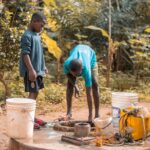
You can join or support a local water committee. These groups oversee the use and care of water points, collect small fees for repairs, and make sure no one is left out. When you attend training sessions on pump maintenance or hygiene – often offered by NGOs – you help keep your household and community safe.
If you’re a visitor:
Carry a reusable water bottle to reduce plastic waste and avoid putting pressure on already limited bottled water supplies. You can also donate to or volunteer with trusted NGOs working in Sierra Leone, like Aqua Maya, which supports community-led water projects in remote areas.
If you’re an advocate:
Use your voice to highlight successful local efforts. Sharing these stories, online or in community forums, can attract attention and funding to expand what’s working. One well-told story about a youth-led pump repair group or a women-managed water fund can inspire support across the world.
If you’re a policymaker or local leader:
You can prioritize funding for water system maintenance and climate-resilient technologies. This includes solar-powered boreholes and protected rainwater collection systems, especially in flood-prone areas. Backing community training programs can make a lasting difference, one village at a time.
Helping doesn’t always mean doing something big. Often, it’s the small, steady actions that make clean water last.
Conclusion
Safe drinking water options for Sierra Leone residents include improved boreholes with hand pumps, chlorination systems, rural water supply projects, and urban water infrastructure upgrades.
Sierra Leone may have made progress, but there’s still a long way to go. Getting there will take teamwork. Communities are stepping up to manage their own water points. Government plans are beginning to take shape, especially in rural areas where clean water still seems far away.
NGOs are bringing tools and training closer to the people. Aqua Maya, seeing the gap, is going all out to support local water solutions, training residents and investing in technologies that work. They’re helping to close the gap, one community at a time.
The road ahead is not without challenges. But with continued support, shared responsibility, and a deep commitment to what matters most – safe water for all – Sierra Leone is on its way to building a future where no family has to worry about the water they drink.
Sources
3. https://pmc.ncbi.nlm.nih.gov/articles/PMC2813171/