How Sierra Leone’s Water Crisis Impacts Daily Life: Solutions for a Better Future

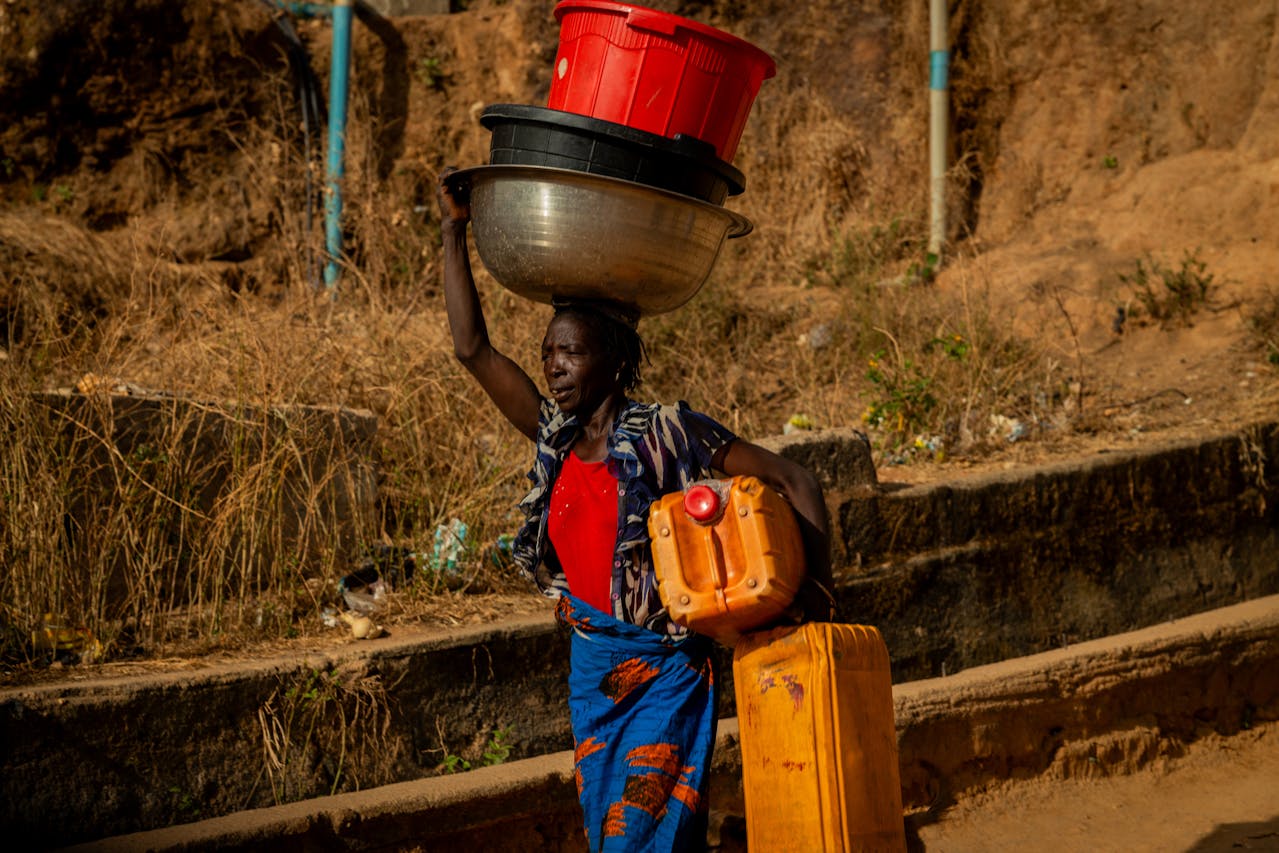
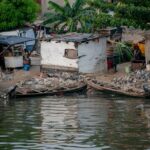
Every morning in parts of Sierra Leone, families begin their day not by making breakfast, but by walking long distances to find water. Sometimes, the only option is a muddy stream or an old hand-dug well. The water might not be safe, but it’s all they have.
What would your day look like without clean water?
In Sierra Leone, this is not a rare inconvenience. It’s a daily reality for millions. From rural villages to crowded city neighborhoods, people face serious challenges just to find water for drinking, cooking, and bathing. This lack of clean water doesn’t just make life harder – it affects health, limits education, weakens the economy, and threatens the future.
But there’s hope. This article explores what daily life looks like in the middle of this crisis and shares real solutions that are already making a difference.
The Current State of Water Access in Sierra Leone
Access to safe drinking water in Sierra Leone has improved over the years, but the need is still great. Many families still rely on open wells, rivers, or damaged public taps. In rural areas, people sometimes walk for hours just to fetch water – and even then, it might not be clean.
Water systems in cities like Freetown often struggle to keep up. Old pipes break, and when water is stored in open containers, it can easily get contaminated before it’s used. In some towns, boreholes serve entire communities, but not everyone has access.
The situation in rural communities can be even more difficult. In dry seasons, streams may dry up completely. During floods, water sources can get mixed with sewage or other waste, making them unsafe.
Many people still depend on unsafe sources – not because they like it, but because they just don’t have a choice. The gap is clear, and closing it will require both local leadership and stronger support from national and international partners.
Daily Life Without Reliable Water
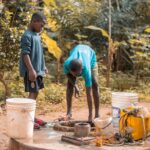
The daily struggle for clean water affects every aspect of life. Families often wake up before dawn to fetch water from distant sources, a task that consumes hours each day. This time-consuming chore not only exhausts individuals, but also limits opportunities for education and income-generating activities.
Health Risks
Consuming water from unsafe sources exposes communities to waterborne diseases, such as cholera, diarrhea, and typhoid. Children are particularly vulnerable, with diarrheal diseases being a leading cause of mortality among those under five. The lack of clean water also hampers proper sanitation and hygiene practices, exacerbating health risks.
Impact on Education
Children, especially girls, often miss school to assist with water collection. The physical burden and time commitment required for this task interfere with their educational pursuits, limiting future opportunities.
Economic Consequences
The time spent fetching water reduces the hours available for productive work, affecting household incomes. Additionally, families may spend a significant portion of their earnings on purchasing water, diverting funds from other essential needs.
Challenges in Daily Living
The scarcity of clean water complicates everyday tasks, such as cooking, cleaning, and maintaining personal hygiene. During dry seasons, the situation worsens as water sources dry up, forcing families to rely on even more distant or contaminated alternatives.
Why This Crisis Persists
Even though many efforts have been made to improve water access in Sierra Leone, the crisis continues. The reasons are many and deeply rooted.
Old and Broken Infrastructure
In cities like Freetown, many of the water pipes were built decades ago. These old pipes often break or leak, leading to loss and contamination. Without proper repairs or regular checks, clean water can’t reach the people who need it most.
Rural Struggles
In rural communities, many families still rely on open wells, streams, or hand-dug pits. These are often unsafe, especially during the rainy season, when floods wash dirt, waste, and germs into the water. New water points have been added in some places, but not fast enough to meet the growing need.
Climate Challenges
Floods, long dry seasons, and changing weather patterns make water access harder. During heavy rains, wells and latrines flood, causing dirty water to mix with clean sources. In the dry season, many water points run low or dry up, forcing people to walk farther or drink from risky places.
Lack of Maintenance and Training
Sometimes, new water systems are installed without training the community to care for them. Over time, these systems break down. If no one knows how to fix them – or if parts are not available – the water source becomes useless.
Funding and Planning Gaps
Efforts from the government and NGOs are ongoing, but progress is slow. Clean water systems require money, not only to build, but to keep running. There are also places where water plans exist on paper, but don’t get carried out fully.
What’s Already Working
Even in the middle of Sierra Leone’s water crisis, there are signs of hope. Across the country, some communities are finding ways to get clean water and keep it flowing.
Community Water Projects
In several towns and villages, water committees have taken charge of managing their local water points. These groups make sure that pumps are cleaned, simple repairs are done, and people are taught how to keep water safe. This kind of ownership helps water systems last longer.
Working Together Brings Results
Many of the best results come from partnerships. In some areas, local leaders, health workers, and NGOs have come together to build boreholes or set up rainwater tanks. These efforts are strongest when the community is involved from the start.
Small Changes, Big Difference
Simple tools – like household filters, covered buckets, and better handwashing practices – have helped reduce illness in many homes. These are not expensive, but when used the right way, they protect families every day.
NGOs Making an Impact
Organizations like Aqua Maya are supporting projects that bring lasting change. Though Aqua Maya is quite new, their focus on training and community-led water solutions fits into what’s already working in Sierra Leone. By listening to the people and working alongside them, they’re helping lay a stronger foundation for future progress.
Simple, Proven Solutions
The water crisis in Sierra Leone may be complex, but some of the most effective solutions are also the simplest. Across towns and villages, families and communities are using low-cost methods to stay safe and healthy.
Rainwater Harvesting
During the rainy season, collecting water from rooftops into covered tanks or containers is a safe way to meet household needs. With basic training and the right tools – like clean gutters, filters, and sealed storage – rainwater can be a reliable source of drinking water in rural areas. Some schools and health centers already use this method to reduce dependence on distant or dirty sources.
Household Water Filters
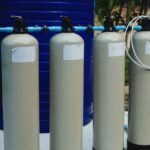
Simple filters, such as ceramic or biosand filters, can remove harmful bacteria from water. These tools are especially helpful in places where families collect water from rivers, wells, or hand-dug holes. With regular cleaning and basic upkeep, a single filter can protect a household for years.
Solar-Powered Boreholes
In off-grid communities, solar pumps make it possible to bring up groundwater without fuel costs. These systems power taps in schools, clinics, and central water points, helping hundreds of people each day. Though the upfront cost can be high, these systems often last longer and cost less to maintain than diesel-powered ones.
Hygiene Education
Teaching families to wash hands with soap, store water safely, and clean containers properly can prevent many water-related illnesses. Hygiene training is a key part of long-term solutions, especially when combined with better access to clean water.
Aqua Maya’s Role
As part of its commitment to long-term change, Aqua Maya supports practical tools like these in areas where access is still low. Their work centers on local partnerships, listening to communities, and helping them find solutions that fit best. It’s not just about putting in infrastructure – it’s about building knowledge and ownership.
How We Can All Make a Difference
Solving Sierra Leone’s water crisis is not just the job of one group. It takes all of us – families, leaders, donors, and friends of the country – to take simple steps that bring lasting change.
What Local Residents Can Do
Many families already treat their water and clean their containers. These everyday habits matter. Learning more about safe water practices and sharing that knowledge with others can go a long way. When communities come together to care for a borehole, fix a broken tap, or clean a shared water point, they protect more than just water – they protect each other.
How NGOs and Donors Can Help
Organizations, like Aqua Maya, are stepping in to support lasting solutions. But they can’t do it alone. Every donation, partnership, or volunteer effort helps reach more homes and build systems that work. When groups invest in training, maintenance, and local leadership, they create change that lasts beyond any one project.
What Government and Leaders Can Do
Policy decisions shape water access across the country. From setting clear standards to funding rural systems, government support matters. Leaders can also help by listening to communities, making sure systems are maintained, and following through on national water goals.
Why Hope Still Matters
It’s easy to feel overwhelmed. But every working pump, every safe water tank, every trained volunteer is a sign that progress is possible. When we act together – with honesty, care, and commitment – we move closer to the day when every child in Sierra Leone has clean water to drink.
Looking Ahead: A Better Future Is Possible
The water crisis in Sierra Leone has been around for years, but so has the strength of its people. From mothers who boil every drop before giving it to their children, to youth groups who repair broken hand pumps, the drive for a better future is alive in every town and village.
There is reason to hope. The Sierra Leone Water Sector Strategy outlines a national goal to expand access to clean, safe water, especially in rural areas. Step by step, the country is working to build systems that last: new boreholes, stronger policies, and better training for those who manage water services.
Change takes time. But when local communities, government, and partners, like Aqua Maya, walk together, change becomes possible. It becomes real.
One clean water point can lift the health of an entire village. One trained water committee can keep systems running for years. One safe cup of water can change the life of a child.
Sierra Leone’s water story is not finished. And with each small step forward, we help write a future where clean water isn’t a luxury, but a basic part of life.
Sources
1. https://www.unicef.org/sierraleone/water-sanitation-and-hygiene