What’s Behind Côte d’Ivoire’s Water Crisis and Can It Be Fixed?


Côte d’Ivoire is known for its rich culture and growing economy, but it faces a serious problem: many people do not have enough clean and safe water. Even with its natural resources and efforts to improve, water shortages and pollution still affect daily life for many. This problem is not just about not having enough water; it is connected to the environment, the condition of water systems, and how communities live and work. Understanding the reasons behind Côte d’Ivoire’s water troubles helps explain why it has been hard to fix and what is being done to help millions of people get better water.
The Scope of the Water Crisis in Côte d’Ivoire
Despite progress, Côte d’Ivoire struggles with water access and quality. Drinking water coverage increased from 72% in 2019 to 76% in 2021, but this still leaves a significant portion of the population without reliable access to safe water. The crisis manifests differently across regions: urban centers like Abidjan and Bouaké experience frequent interruptions and shortages, while rural areas often lack basic water infrastructure altogether.
In 2018, Bouaké, the country’s second largest city, faced an extreme water shortage when the Loka dam, its primary water source, dried up. This event left about 1.5 million people without drinking water, exposing the vulnerability of water supply systems to environmental changes and human activities. Similarly, northern cities, such as Korhogo, suffer from delayed rains, war damage, and poor maintenance, which worsen water scarcity.
Causes Behind the Crisis
Environmental and Climatic Factors
Côte d’Ivoire’s water crisis is partly driven by environmental factors. Changes in land use, such as quarrying near water sources, have reduced water availability. The drying up of key water bodies, like the Loka dam, is linked to these activities and possibly climate variability. Additionally, late rains and drought conditions in the northern regions further strain water supplies.
Pollution and Water Quality Degradation
Water quality is deteriorating due to pollution from multiple sources. Industrial effluents, poor sanitation, and inadequate waste management lead to contamination of rivers and groundwater. For example, gold panning activities pollute rivers like Bandama and N’zi, while urban aquifers in Abidjan face saline intrusion and nitrate pollution from poor sanitation systems. This pollution is beyond just an environmental issue; it is a public health threat, contributing to waterborne diseases, such as cholera and diarrhea, which cause high mortality rates, especially among children under five.
Rapid Population Growth
The rapid growth of urban populations, especially after the civil war, has overwhelmed existing water and sanitation infrastructure. Cities, like Yamoussoukro and Abidjan, have seen massive influxes of people, leading to overcrowding and increased demand for water that the current systems cannot meet. This urbanization also contributes to the decline in groundwater recharge due to expanding impermeable surfaces and unplanned settlements.
Inadequate Infrastructure and Maintenance
Many water supply systems in Côte d’Ivoire are old, poorly maintained, or damaged by past conflicts. The decade-long crisis and civil war destroyed much of the country’s water infrastructure, including treatment centers and pumps. Maintenance is hampered by lack of power and equipment, especially in rural and former conflict areas, making water points unreliable or unusable.
Insufficient Sanitation and Waste Management
Poor sanitation infrastructure compounds the water crisis. Many communities lack access to proper sewage systems and toilets, leading to the contamination of water sources by human waste. The sale of untreated water by street vendors in plastic sachets is common, but unsafe, increasing health risks.
Agriculture’s Impact on Côte d’Ivoire’s Water Crisis
Agriculture plays a big role in Côte d’Ivoire’s economy and uses a large part of the country’s water. However, farming practices have also contributed to water problems. For example, clearing land for farming and mining activities near water sources has led to pollution and reduced water availability. Coastal erosion, especially around Abidjan, has worsened due to environmental changes linked to agriculture and development. These problems affect both water quality and quantity, making it harder for people and farms to get clean water. Sustainable farming methods and better land management are needed to protect water resources while supporting food production.
The Human and Social Impact
The water crisis affects every aspect of life in Côte d’Ivoire. Health is severely impacted, with waterborne diseases causing significant child mortality and adult deaths. The burden of fetching water falls disproportionately on women and girls, who spend hours daily collecting water, often from distant or unsafe sources. This labor affects their health and limits educational opportunities, as tired and sick children struggle to attend school or perform well academically.
Economically, water scarcity threatens agriculture, industry, and overall development. The lack of reliable water supply hinders business operations and reduces agricultural productivity, which is vital for the country’s economy. Social tensions can also arise in communities competing for limited water resources.
The Water Crisis and Its Effect on Women and Education
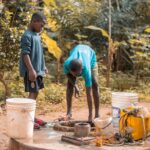
Women and girls in Côte d’Ivoire bear much of the burden caused by water shortages. In many rural areas, they are responsible for collecting water, often traveling long distances to find safe sources. This daily task takes time away from school and work, limiting opportunities for education and economic activities. The scarcity of clean water also increases health risks, especially for children, who may miss school due to illness caused by unsafe water. Supporting women in managing water resources and improving access to clean water can improve health, education, and gender equality in affected communities
Efforts to Fix the Crisis
Côte d’Ivoire’s government, supported by international partners, has launched several initiatives to address the water crisis:
The ‘Water for All’ Program
Since 2019, the government has invested about 500 billion CFA francs in around 30 projects aimed at improving access to drinking water in both urban and rural areas. This program focuses on building and rehabilitating water infrastructure, expanding human hydraulic systems, and sector reforms to improve water management.
Infrastructure Rehabilitation and Expansion
A major project involves rehabilitating water infrastructure across 111 locations, benefiting approximately 1.3 million people, with projections to serve 2.15 million by 2035. This initiative aims to restore and develop water abstraction, treatment, storage, and distribution systems, especially in rural areas with damaged or absent infrastructure.
Support for Former Conflict Areas
In western Côte d’Ivoire, more than 61,000 people have gained access to clean water through the rehabilitation of water pumps and the treatment of wells. The United Nations Development Programme (UNDP) has been active in treating wells with chlorine, rehabilitating pumps, and building new wells. Community management committees, including women, are trained to maintain these water points and promote hygiene practices.
International Aid and Partnerships
USAID finances projects like MuniWash, targeting eight municipalities to improve water, sanitation, and hygiene services. This five-year project aims to increase private sector investment, improve public utility reliability, and enhance governance in water management. The government aims to reach 95% drinking water coverage, with investments totaling about $480 million working towards universal access by 2030.
Private Sector and Innovative Solutions
NGOs, like Aqua Maya, contribute to improving water access by providing affordable, safe water solutions, particularly in urban areas where water quality is a concern. Such private sector involvement complements government efforts by offering alternative sources of clean water and raising awareness about water safety.
New Technologies and Wastewater Treatment as Solutions
Innovative technologies are helping Côte d’Ivoire address its water challenges. One promising area is wastewater treatment, where new methods are being tested to clean and recycle water efficiently. For example, a recent project studied anaerobic water treatment technology that can treat wastewater in an energy and cost-efficient way. Treated wastewater can be reused in agriculture or industry, reducing the demand on freshwater sources. Such technologies not only improve water availability, but also protect the environment and public health by reducing pollution. Combining these innovations with investments in water infrastructure offers a practical path toward solving the water crisis
Challenges Ahead
Despite these efforts, challenges remain:
- Sustaining and maintaining infrastructure requires ongoing funding, technical capacity, and community engagement.
- Pollution control and sanitation improvements need urgent attention to protect water quality and public health.
- Addressing rapid urbanization demands coordinated urban planning and investment in water and sanitation services.
- Climate change poses future risks of droughts and water source depletion, requiring adaptive water management strategies.
Conclusion
Côte d’Ivoire’s water crisis is a multifaceted problem rooted in environmental degradation, urbanization, inadequate infrastructure, and poor sanitation. It affects health, education, and economic development, making it a national priority.
Encouragingly, the government’s ‘Water for All’ program, supported by international partners and not-for-profit charities, like Aqua Maya, is making strides to improve access and quality. However, sustained commitment, innovative solutions, and community involvement are essential to ensure that every Ivorian can access safe, reliable water – a fundamental right and a cornerstone of development.
The road ahead is challenging, but with coordinated action and investment, Côte d’Ivoire can transform its water crisis into a story of resilience and progress.
Sources
1. https://dicf.unepgrid.ch/cote-divoire/water
2. https://borgenproject.org/5-facts-water-quality-in-cote-divoire/
3. https://www.worldbank.org/en/country/cotedivoire/overview
4. https://reliefweb.int/report/c%C3%B4te-divoire/public-health-risk-taps-run-dry
5. https://reliefweb.int/report/c%C3%B4te-divoire/improving-water-access-former-conflict-areas
11. https://borgenproject.org/water-quality-in-cote-divoire-a-vision/
12. https://www.exportinitiative-umweltschutz.de/en/projects/recyh2o/