How Do People in The Gambia Get Their Drinking Water?

“Water is life” might sound cliché, but it’s the truth – water is indeed life. For the people of The Gambia, a small country in West Africa, getting clean drinking water is very important but also sometimes difficult. This article will explain how people in The Gambia get their drinking water, the challenges they face, and the efforts being made to improve water access for everyone.
The Importance of Clean Water
Clean water is needed to stay healthy. Drinking dirty water can cause sickness, especially for children. In The Gambia, many people have faced diseases from unsafe water in the past. Because of this, the government and many organizations are working hard to provide clean water to as many people as possible.
Health Effects of Unsafe Drinking Water
Drinking unsafe water can cause many health problems in The Gambia. Diseases like diarrhea, cholera, typhoid, and dysentery are common when people drink dirty water. These illnesses especially affect children under five, leading to high rates of sickness and even death. Poor water quality also weakens the immune system, making it harder for people to fight other diseases. This is why clean water is so important for the health of families and communities.
Sources of Drinking Water in The Gambia
People in The Gambia get their drinking water mainly from these sources:
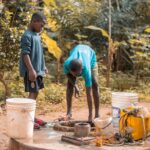
• Wells and Boreholes: Many villages rely on wells or boreholes, which are deep holes drilled into the ground to reach water. Some of these boreholes use solar power to pump water, making it easier to get clean water even in remote areas.
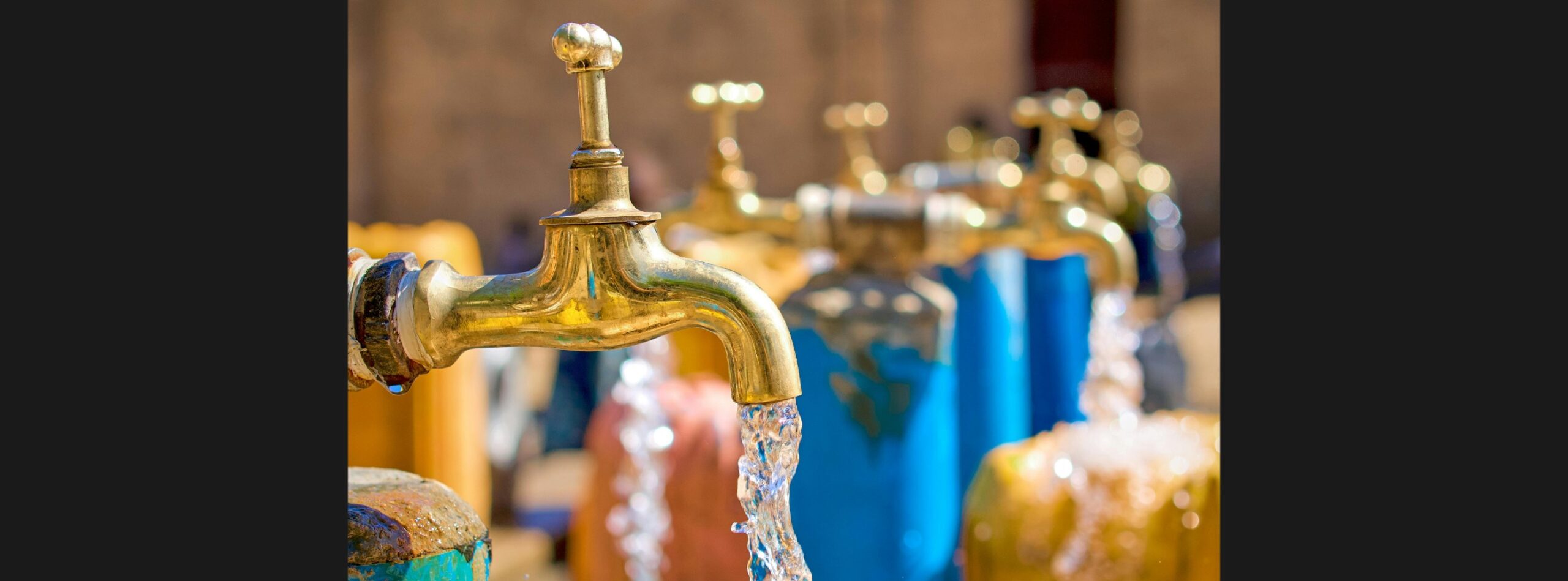
• Public Taps and Communal Water Points: In some communities, there are big taps where everyone can come and collect water. These taps are designed to keep the water clean and safe for drinking.
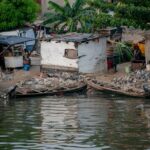
• The Gambia River: This river is very important for many uses, including fishing and farming. However, the river water is not always safe to drink without treatment.
• Rainwater Harvesting: In some schools and public places, systems are set up to collect and store rainwater for use.
Current Statistics on Water Access in The Gambia
Recent data shows that about 47.7% of the Gambian population had access to safely managed drinking water in 2022. This means water that is available on premises, free from contamination, and reliable. When including basic water services – such as water from improved sources even if not always on premises – about 85.6% of people had access in 2022. However, there is a big difference between urban and rural areas: around 68% of urban residents have access to improved water, while only about 12.2% of rural residents do. These numbers highlight the ongoing challenge of reaching rural communities with safe drinking water.
Water Infrastructure and Maintenance Issues
Many water systems in The Gambia are old or poorly maintained. Pipes and boreholes sometimes break down and are not fixed quickly. This neglect causes water to become dirty or unsafe. In some places, water wells are near animal waste or sewage, which pollutes the water with harmful bacteria like E. coli. Lack of trained workers and funds also makes it hard to keep water systems working well.
Integrated Water Resources Management (IWRM) in The Gambia
The Gambia has adopted a special approach called Integrated Water Resources Management (IWRM) to better manage its water. IWRM means bringing together all the people and groups who use water – farmers, city officials, environmentalists – to plan and share water fairly and protect it for the future. Since 2007, the government has worked on policies and plans to improve water use and stop pollution. This approach helps balance water needs for drinking, farming, and nature while making sure water is used wisely and safely for everyone.
Challenges in Getting Clean Water
Despite progress, many people in The Gambia still struggle to get safe drinking water:
• Only about 34% of households have access to safe water systems, even though 90% of the population can access improved water sources.
• Rural areas face the biggest challenges. In 2020, only 26% of people in rural parts had access to clean water, compared to 74% in cities.
• Old and broken pipes can let dirt and germs into the water supply, making tap water unsafe in some places.
• Waterborne diseases remain a serious problem, especially for children under five, causing many deaths.
Environmental Challenges Affecting Water Quality
The Gambia faces many environmental problems that make getting clean water harder. Flooding, drought, and climate change cause damage to water sources and infrastructure. Floods often break water and sewage systems, leading to contamination of water with sewage and waste. Poor waste management, especially in cities, causes trash and chemicals to pollute rivers and groundwater. This pollution increases the risk of waterborne diseases for many people.
Impact of Climate Change on Water Availability
Climate change is making water problems worse in The Gambia. Rising temperatures cause droughts that dry up water sources. At the same time, heavy rains and floods damage water systems and cause contamination. Desertification, where land becomes dry and less fertile, also reduces water availability. These changes force many people to move from rural to urban areas, increasing pressure on city water supplies
Efforts to Improve Water Access
The Gambian government, with help from international partners like UNICEF and the African Development Bank, has started many projects to fix these problems:
• Rural Water Supply and Sanitation Project: This project aims to provide clean water and better sanitation to about 65,000 people in rural areas. It includes building new boreholes and improving water treatment.
• Climate-friendly Water and Sanitation Project: This $1.8 billion project focuses on building water and sanitation infrastructure, including solar-powered water pumps and sanitary facilities in schools and hospitals.
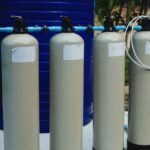
• Community Involvement and Education: The government and groups like Aqua Maya work with villages to build communal taps and teach people how to keep water clean. Aqua Maya focuses on sustainable solutions that fit local needs and help communities manage their water safely.
• Funding and Technology: The government is investing millions of dalasis to build new water facilities and repair old ones. Solar-powered boreholes help bring water to remote areas without electricity.
Water and Education: How Schools Benefit
Access to clean water in schools helps children stay healthy and attend classes regularly. Many schools in The Gambia now have water points and toilets thanks to government and NGO projects. When children have clean water to drink and proper sanitation, they miss fewer school days due to illness. Teaching students about hygiene and safe water use also helps spread good habits to their families and communities.
The Role of Community and Private Support
Besides government projects, private charities and community groups play a big role in improving water access. Some charities help build wells and water points in villages that have no clean water. They also teach people how to protect water sources and use water safely. For example, Aqua Maya works with local communities to create lasting water solutions that fit their needs. This support is especially important in rural areas where government help is limited.
Community-led Water Management and Local Practices
In many Gambian villages, communities manage their own water sources. People form Water User Groups to take care of wells and boreholes, deciding how to share water and keep it clean. Local customs also shape how water is collected and used daily. For example, in some villages, women fetch water early in the morning and carefully store it to avoid contamination. Community-led efforts, supported by NGOs and the government, help teach good hygiene and water handling to reduce sickness and improve health.
How Aqua Maya Helps
Aqua Maya is a charity working in The Gambia and West Africa to bring clean water to communities that need it most. They build water systems that last and teach people how to keep water safe. Their work helps reduce sickness and makes life better for many families.
Water’s Role in Daily Life
Water in The Gambia is not just for drinking. It supports farming, fishing, and celebrations. People use the Gambia River for fishing and growing crops like peanuts and rice. Water is also part of festivals and community gatherings, showing how important it is to life in the country.
Future Plans and Goals for Water Access in The Gambia
The Gambia has set strong goals to improve water access for all its people. The government’s Vision 2025 plan aims to provide universal access to clean drinking water and sanitation. This includes building more water points, improving water treatment, and using new technologies like solar pumps. International partners continue to support these efforts, and community involvement is growing. With continued work, The Gambia hopes to ensure every person can drink safe water in the near future.
Conclusion
Getting clean drinking water in The Gambia is a big challenge, especially in rural areas. But thanks to government projects, international help, and organizations like Aqua Maya, more people are gaining access to safe water every year. Clean water means fewer diseases, better health, and happier communities. The road ahead is still long, but the future looks brighter as more efforts continue to bring clean water to everyone in The Gambia.
Sources:
1. https://borgenproject.org/clean-water-and-sanitation-in-the-gambia/
2. https://thepoint.gm/africa/gambia/article/govt-improving-access-to-water-sanitation
3. https://aquamaya.org/is-it-safe-to-drink-tap-water-in-the-gambia/
4. https://aquamaya.org/clean-water-in-west-africa-why-its-still-a-challenge/
5. https://www.unicef.org/gambia/water-sanitation-and-hygiene
8. https://pubmed.ncbi.nlm.nih.gov/36914135/
9. https://www.unicef.org/gambia/water-sanitation-and-hygiene
10. https://www.accessgambia.com/information/water.html