What Tourists Should Know About Water Safety in The Gambia

When visiting The Gambia, a beautiful country in West Africa known for its river, beaches, and friendly people, water safety is very important. Water is part of daily life here – from drinking and cooking to swimming and fishing – but tourists need to be careful to stay healthy and safe. This article will guide you through everything you need to know about water safety during your trip, using simple words and clear advice.
Drinking Water Safety
Tap Water: Handle with Care
In The Gambia, tap water is generally not safe to drink right away for visitors. The water does not go through the same cleaning process as in many Western countries, so it can contain germs that cause stomach problems like diarrhea. If you want to drink tap water, you should boil it for at least 2 minutes first or use bottled water.
Bottled Water: The Safer Choice
Most tourists prefer to buy bottled water, which is widely available. Brands like Naturelle (bottled by a local company called Gamwater) are safe options. Buying bottled water in large bottles is often cheaper and more convenient. Remember, empty bottles are valuable locally and often reused for other liquids, so don’t throw them away carelessly.
Adjusting to Local Water
Some travelers find that after about two months of exposure to local water (even just brushing teeth or eating food washed with it), their bodies adjust and they can start drinking tap water in small amounts. But this should be done carefully and only after consulting a doctor if unsure.
Water Projects Improving Safety
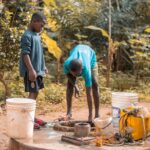
The Gambia is working hard to improve water safety. The government and groups like UNICEF and Aqua Maya are fixing old pipes, digging new wells, and building community taps to provide clean water to villages. These efforts are helping reduce waterborne illnesses and making water safer for everyone.
Access to Clean Water in The Gambia: Current Status and Challenges
Clean water is very important for health and daily life. In The Gambia, many people now have access to clean water, but there are still challenges. About 89.6% of the population can get clean water from taps, wells, or boreholes. This is good progress compared to past years, but some rural and river communities still struggle to find safe water.
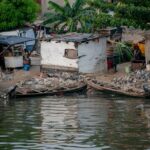
In villages far from cities, people often rely on wells or the river, which may not always be clean. During the dry season, water sources can dry up or become dirty. This makes it harder for families to stay healthy.
The government and nonprofits are working hard to fix these problems. They build new wells, repair old pipes, and teach communities how to keep water clean. These efforts help reduce sickness and make life better for many people.
As a tourist, understanding these challenges helps you appreciate why water safety is so important and why you should always use safe water for drinking and cooking.
Swimming and Water Activities
Swimming in the Sea
The Atlantic Ocean borders The Gambia and offers beautiful beaches, but swimming here can be risky. The ocean sometimes has strong undercurrents and tall waves that can pull swimmers under. Always swim where there is a lifeguard and pay attention to beach flags:
• Red flag: Do not swim.
• Yellow flag: Swim with caution, stay near shore.
• Green flag: Safe to swim.
Avoid swimming in quiet or deserted beaches, especially in places like Gunjur, Sanyang, and Kartong, where help may not be nearby.
Sea Creatures to Watch For
Jellyfish, like the Portuguese man-of-war, sometimes appear near the shore. They have bright colors and sting with their tentacles, so avoid touching them. Stingrays and sea urchins are rare but possible; wearing plastic shoes can protect your feet.
Swimming Pools
If you use hotel pools, never dive without knowing the depth. Walk in slowly to check for the deep end. Choose hotels with lifeguards and children’s pools if you have kids. Always watch children closely and consider bringing inflatable armbands for extra safety.
Freshwater Risks: Rivers and Creeks
The River Gambia is home to crocodiles and hippos, especially upriver, so swimming in the river or nearby creeks is dangerous and should be avoided. Freshwater can also carry diseases like schistosomiasis (bilharzia), caused by tiny parasites from snails. This can cause a rash and other health problems.
If you must enter freshwater, stay far from settlements, limit your time in the water, use insect repellent, and dry off well afterwards.
Waterborne Diseases and Health Precautions
Common Waterborne Illnesses
• Schistosomiasis: A parasitic infection from freshwater snails. Avoid swimming in lakes, ponds, or rivers that are not treated.
• Giardiasis: A stomach infection caused by swallowing contaminated water. Symptoms include cramps and bloating but can be treated easily.
• Other risks: Contaminated water can carry bacteria and parasites causing diarrhea and stomach sickness.
Preventing Illness
• Drink only boiled or bottled water.
• Avoid swallowing water when swimming.
• Wash hands regularly with clean water and soap.
• Use water purification tablets or filters if unsure about water quality.
Water Treatment and Quality Monitoring in Urban Areas
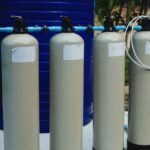
In cities like Banjul and Serrekunda, water comes mostly from underground sources called boreholes. This water is pumped up and treated before it reaches homes and hotels. The main treatment method is chlorination, which means adding a small amount of chlorine to kill germs.
The Public Utilities Regulatory Authority (PURA) and the National Water and Electricity Company (NAWEC) work together to make sure the water is safe. They test water samples regularly at labs like the Abuko Laboratory. These tests check for bacteria and other harmful substances.
The water in cities usually meets World Health Organization (WHO) standards, which means it is safe to use for washing and sometimes even drinking after boiling. However, tourists are still advised to drink bottled or boiled water to avoid stomach problems.
Knowing that water in urban areas is treated and tested can give you peace of mind during your stay.
Sanitation and Hygiene Practices to Complement Water Safety
Having clean water is only part of staying healthy. Good sanitation and hygiene are just as important. Sanitation means safe ways to dispose of human waste, like toilets and latrines, so it does not contaminate water sources.
In The Gambia, many communities are improving sanitation by building better toilets and teaching people about handwashing with soap. The government has a National Sanitation Policy to help reduce diseases caused by dirty water and poor hygiene.
As a visitor, you can help by washing your hands often, especially before eating and after using the bathroom. Use clean water and soap, or hand sanitizer if soap is not available. Avoid touching your face with dirty hands.
In some rural areas, toilets may be basic or shared by many people. Be patient and respectful, and always carry tissues or toilet paper with you.
Good hygiene helps prevent illnesses like diarrhea and cholera, making your trip safer and more enjoyable.
The Gambia River and Drinking Water Quality
The Gambia River is a major water source for the country and covers about 12% of its area. The water quality varies along the river, with cleaner freshwater found upstream away from urban areas. Studies show that the upper parts of the river have low pollution and could be used more for drinking water if treated properly.
However, chemical treatments like chlorination can create unknown by-products, so new methods like ultrafiltration are being considered to keep water safe without harmful chemicals.
Practical Tips for Tourists
• Always ask locals or hotel staff about safe swimming areas.
• Follow all safety signs and lifeguard instructions on beaches.
• Use bottled water for drinking and brushing teeth.
• Boil tap water if bottled water is not available.
• Avoid swimming in freshwater rivers or creeks.
• Wear shoes on beaches to avoid injuries from sharp objects or animals.
• If you get a rash or feel sick after water contact, see a doctor immediately.
• Support local water projects like those by Aqua Maya, which help provide clean water to communities.
Supporting Local Water Projects and Sustainable Tourism
Tourism can help The Gambia grow, but it is important to be responsible and support local communities. One way you can help is by supporting water projects that bring clean water to villages and towns.
Organizations like Aqua Maya work to provide safe drinking water and improve water systems. By choosing hotels and tour operators that care about water safety and the environment, you help encourage better practices.
You can also donate to local charities or buy products made by communities benefiting from clean water projects. Simple actions like not wasting water, avoiding plastic pollution, and respecting local water rules make a big difference.
Sustainable tourism means enjoying your visit while helping protect The Gambia’s natural resources and supporting its people. Together, tourists and locals can build a healthier, cleaner future.
Conclusion
Water is a vital part of life in The Gambia, from the mighty river to the Atlantic beaches. Tourists can enjoy the water safely by following simple rules: drink clean water, swim only in safe areas, and be aware of local wildlife and diseases. Thanks to ongoing efforts by the government and organizations like Aqua Maya, water safety is improving every day, making The Gambia a wonderful and safe place to visit.
By staying informed and cautious, you can enjoy your holiday while protecting your health and helping the local communities thrive.
Sources
1. https://www.accessgambia.com/msite/m-water.html
2. https://aquamaya.org/is-it-safe-to-drink-tap-water-in-the-gambia/
3. https://www.accessgambia.com/msite/m-swimming-advice.html
4. https://wwwnc.cdc.gov/travel/destinations/traveler/none/the-gambia
5. https://pubmed.ncbi.nlm.nih.gov/36914135/
7. https://pura.gm/energy/sub-sectors-services/water/