Does The Gambia Have a Water Crisis?

The Gambia is a small country in West Africa, known for its beautiful river, friendly people, and warm climate. Water is very important to life here, but many people wonder: does The Gambia have a water crisis? This article will explain the situation clearly and simply, using facts and real information. We will look at how much clean water people have, the challenges they face, and what is being done to improve water access. We will also mention important efforts by Aqua Maya that help bring safe water to communities.
What Is a Water Crisis?
Before we begin, it is good to understand what a water crisis means. A water crisis happens when people cannot get enough clean and safe water for drinking, cooking, washing, and farming. This can cause health problems, hunger, and make life very hard. A water crisis can be caused by many things, like drought (very little rain), pollution, broken pipes, or too many people using water.
How Much Clean Water Do People in The Gambia Have?
The good news is that many Gambians have access to clean water. According to data, the government committed to increasing the proportion of the population with access to safe drinking water from 89.6% to 100% by 2021. This means that most people should by now be getting water from taps, wells, or protected sources.
However, when we look closer, only about 47.7% of people use safely managed drinking water. Safely managed water means it is clean, available when needed, and free from harmful germs or chemicals. This shows that while many have water, not all of it is safe to drink without treatment.
Also, about 85.6% of people use at least basic drinking water services, which means water comes from improved sources but might not always be safe or nearby. So, there is progress, but challenges remain.
Water Infrastructure and Basic Services in The Gambia
Water infrastructure means all the things that help bring water to people’s homes: pipes, wells, pumps, storage tanks, and toilets. In The Gambia, water infrastructure has improved over the years but still faces many challenges.
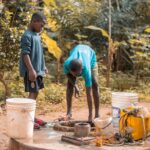
Most urban areas like Banjul have piped water systems that supply many homes. However, many rural and riverine communities depend on boreholes (deep wells) or hand pumps. These boreholes often use solar power to pump water, which is good because it uses clean energy and works even in remote places.
The government and partners have built new water systems that serve several villages at once, with storage tanks and public taps. For example, the Rural Water Supply and Sanitation Project helped install solar-powered multi-village water systems reaching thousands of people.
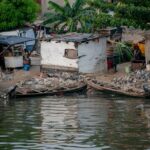
Still, many water pipes are old or broken, and some communities lack proper toilets. Building latrines is hard in river areas because the water table is high, meaning the ground is too wet for normal toilets. This makes sanitation a big challenge.
Good water infrastructure is important because it means water is clean, reliable, and close to people’s homes. The Gambia is working to improve infrastructure, but more investment and maintenance are needed to reach everyone.
Why Is Water Safety a Problem in The Gambia?
The Gambia has enough water in nature. The Gambia River runs through the country, and there are underground water sources called aquifers. But many problems affect water safety and availability:
• Pollution and Contamination: Many water sources are polluted by sewage, animal waste, and chemicals. For example, boreholes near open drains or farms can get contaminated with nitrates and germs.
• Salinity (Salt in Water): The river near the coast has salty water because of the ocean. Drinking salty water can cause health problems like high blood pressure and skin diseases.
• Climate Change: The Gambia is very vulnerable to climate change. Rising sea levels push saltwater further into the river and underground water. This makes fresh water salty and unsafe.
• Flooding and Poor Drainage: Heavy rains and floods damage water systems and cause sewage to mix with drinking water. In 2022, floods affected over 50,000 people and contaminated water supplies.
• Unequal Access: People in cities have better water services than those in rural or river areas. Many villages still rely on unprotected wells or the river, which may not be safe.
Impact of Floods and Waste Management on Water Quality
Flooding causes big problems for water safety in The Gambia. When heavy rains come, water from rivers and streets floods homes and roads. This floodwater often mixes with sewage and garbage, which pollutes drinking water sources.
In 2022, floods affected more than 50,000 people, damaging water pipes and contaminating wells. Floods also block drainage systems because trash and waste clog drains, making water stay longer and spread germs.
Poor waste management means many people throw garbage into streets or rivers. This garbage blocks water flow and pollutes water sources. Without proper toilets, human waste can also get into water.
To improve water quality, The Gambia needs better drainage systems and proper garbage collection. Community education about keeping water clean and managing waste is also important. These steps help reduce diseases caused by dirty water.
How Does Climate Change Make the Water Situation Worse?
Climate change is making The Gambia’s water problems harder. The country faces:
• More floods: Heavy rains cause flooding, damaging homes and water pipes. Floods also mix dirty water with clean water sources.
• Droughts: Some areas get less rain, drying up wells and rivers people depend on.
• Saltwater Intrusion: Rising sea levels push salty ocean water into the river and underground water. This makes water salty and unsafe to drink.
Because of these changes, water becomes less reliable, and people may have to travel farther or use unsafe sources.
Groundwater Challenges: Salinity and Overuse
Groundwater is water found underground in aquifers. It is the main source of drinking water for most Gambians. But groundwater faces two big problems: salinity and overuse.
Salinity means the water has too much salt. Because The Gambia is near the ocean, salty seawater pushes into underground water and the lower parts of the Gambia River. This saltwater intrusion makes water unsafe to drink and harms crops.
Overuse happens when too much water is pumped from wells faster than it can refill. This causes water levels to drop, making it harder and more expensive to get clean water.
Scientists study different underground layers to find fresh water that is safe. They also look for ways to protect aquifers by controlling how much water is taken and finding new water sources.
Managing groundwater carefully is very important for The Gambia’s future water supply.
What Is Being Done to Solve the Water Crisis?
The Gambia’s government, local groups, and international partners are working hard to improve water access and safety:
• Improving Water Infrastructure: New wells, boreholes, and water pipes are being built and repaired to bring clean water closer to people.
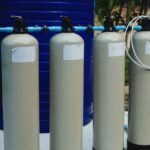
• Water Treatment: In cities, water is treated with chlorine to kill germs. Water quality is tested regularly to meet safety standards.
• Community Projects: NGOs like Aqua Maya help by installing safe water systems in villages and teaching people how to protect water sources. Their work improves health and reduces waterborne diseases.
• Climate Adaptation: Efforts are underway to protect water sources from saltwater intrusion and floods. This includes better planning and using new technologies to manage groundwater.
• Sanitation and Hygiene: Improving toilets and drainage helps keep water clean and reduces diseases.
Role of Climate Policy and Adaptation Strategies
The Gambia’s government knows climate change affects water resources and has made policies to protect water and help communities adapt.
The National Water Policy guides how water is managed, aiming for fair and sustainable use. The government works with international partners to get funding and technical help for projects that build climate-resilient water systems.
Adaptation strategies include building flood defenses, improving water storage, and promoting water-saving farming methods. The government also integrates water management with health, agriculture, and disaster planning.
These policies help The Gambia prepare for future challenges and protect water for all people.
What Are the Main Challenges Left?
Despite progress, The Gambia still faces challenges:
• Almost half the population still uses water that is not safely managed, meaning it may carry germs or chemicals.
• Rural and river communities often lack good water services, relying on unsafe sources.
• Flooding and poor waste management block drains and spread pollution, worsening water quality.
• Climate change effects are increasing, threatening water supplies further.
• Rapid population growth and urbanization increase water demand, putting pressure on existing systems.
Community Success Stories: Clean Water Changing Lives
Many communities in The Gambia have seen big improvements thanks to clean water projects.
For example, UNICEF and partners installed solar-powered water systems in schools, health centers, and villages. One health center in Karanta used to struggle with unreliable water but now has a steady supply, improving patient care.
Clean water means better health, more time for work and school, and stronger communities. These success stories show that with the right help, The Gambia can overcome its water challenges.
What Can Tourists and Visitors Do?
If you visit The Gambia, you can help by:
• Drinking only bottled or boiled water.
• Avoiding swimming in rivers where crocodiles and hippos live.
• Supporting hotels and businesses that use safe water and protect the environment.
• Learning about local water projects like those by Aqua Maya and considering supporting them.
Conclusion
The Gambia does face serious water challenges, especially in rural areas and because of climate change. While many people have access to water, not all of it is safe or reliable. This means the country is still working hard to solve a water crisis that affects health and daily life.
Thanks to efforts by the government and nonprofits like Aqua Maya, progress is being made. Clean water access is improving, and new solutions are being tested. But more work is needed to ensure every Gambian can drink safe water and live a healthy life.
Understanding these facts helps us see the challenges The Gambia faces and the hope for a better water future.
Sources
1. https://share.google/HDb50nCqTHEqJoly7
4. https://ccij.io/article/water-paradox-in-the-gambia/
7. https://www.youtube.com/watch?v=0sUl_iyM6uM
8. https://gambia.un.org/sites/default/files/2023-01/UNDAC-Gambia_Floods-RNAR-ENG-Web.pdf