Water in The Gambia: Who Has It and Who Doesn’t?

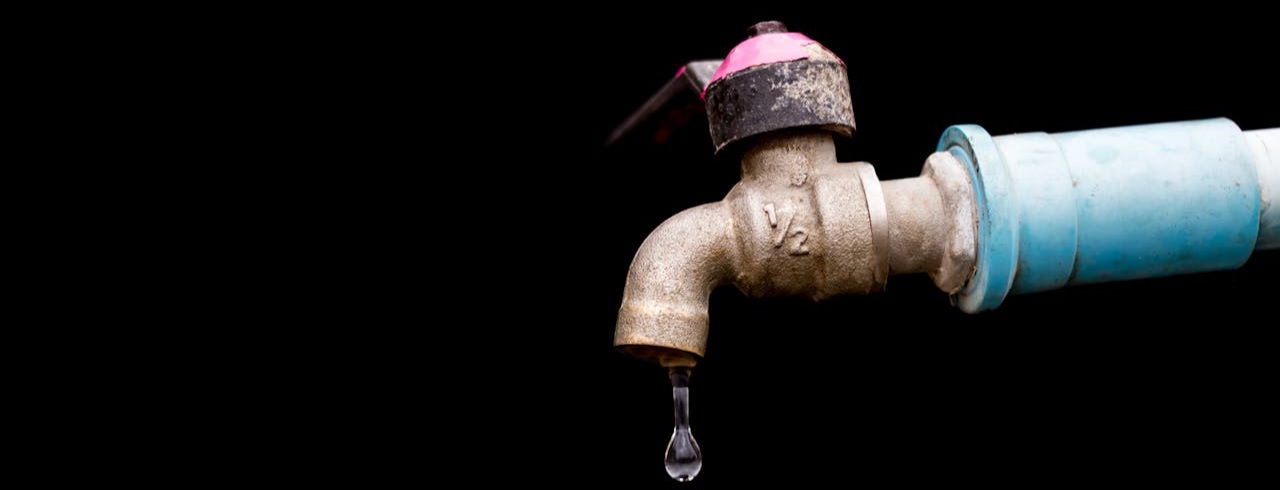
There are people who leave their taps turned on, hoping water will come. You can’t blame them. They go to bed without water and wake up to find that water flowed during the night – but by dawn, it has already dried up again. This is the reality for many in The Gambia, where water can be as unpredictable as the weather. While some enjoy steady access, others face daily uncertainty. This story is about who has water and who doesn’t – and why it matters for the future of the country.
Understanding Water Access in The Gambia
The Gambia is a small country in West Africa with about 2.5 million people. It has rivers, wells, and rainfall, but water is not always easy to get or safe to drink. Having access does not always mean the water is safe or close by.
There are different levels of water access:
• Basic drinking water services means people get water from improved sources like boreholes, protected wells, or piped water, but they might have to travel up to 30 minutes to collect it.
• Safely managed drinking water services means water is from an improved source, available on the premises, when needed, and free from harmful germs and chemicals.
From available data, only 47.67% of Gambians have safely managed drinking water. This means more than half the population still face risks from unsafe or hard-to-get water.
The Gap Between Basic and Safely Managed Water Services
While about 86.6% of Gambians are forecast to have access to at least basic drinking water services by 2025, only around 47.7% have access to safely managed drinking water – water that is on premises, available when needed, and free from contamination. This gap means that although many people can reach improved water sources like boreholes or protected wells within 30 minutes, the water they get may not always be safe to drink. Contamination risks from bacteria and chemicals remain high, especially in rural areas where water treatment and monitoring are limited. This difference highlights that access alone does not guarantee water safety or convenience, which are crucial for health and well-being.
Who Has Water? Urban vs. Rural Differences
Water access in The Gambia is very different depending on where people live. In cities and towns, more people have better access to improved water sources like piped water or protected wells. In rural areas, many rely on wells, boreholes, or even surface water that can be unsafe.
About 67.8% of people living in urban areas have access to improved drinking water sources as of 2022. This means they can usually get water from taps, boreholes, or protected wells that are cleaner and safer. However, this figure is still below the global average of nearly 70%, showing there is room for improvement even in cities.
In contrast, rural areas face much bigger challenges. Only about 12.2% of rural Gambians have access to safely managed drinking water. Many rural residents must travel long distances to collect water from wells or boreholes, and some rely on water sources that dry up during the dry season or are contaminated by bacteria and chemicals.
This urban-rural gap is linked to several factors:
• Infrastructure: Urban areas benefit from piped water networks maintained by the National Water and Electricity Company (NAWEC), while rural areas often depend on hand-pumped boreholes or wells that may not be regularly maintained.
• Poverty: Approximately 64% of rural Gambians live in poverty compared to 36% in urban areas, limiting their ability to pay for water services or invest in home water treatment.
• Geography: Some rural communities, especially riverine or coastal villages, face challenges like high water tables or saltwater intrusion that make building and maintaining water systems harder.
The government and partners are working to reduce this divide by installing solar-powered multi-village water systems in rural areas and expanding piped networks in towns. Projects like the Rural Water Supply and Sanitation Project aim to increase rural water coverage from about 70% to over 85% while improving sanitation and hygiene.
Despite these efforts, many rural Gambians still face daily uncertainty about where their next safe drink of water will come from. Women and girls often spend hours each day collecting water, which affects their health, education, and economic opportunities.
Closing the gap between urban and rural water access is needed for improving health and quality of life for all Gambians.
Why Do Some People Not Have Water?
Several reasons explain why some Gambians do not have safe water:
1. Limited Infrastructure
The water systems in many rural areas are old or missing. Even where boreholes exist, they may not be working or protected well enough. The National Water and Electricity Company (NAWEC) supplies many urban areas but cannot cover all rural communities.
2. Water Quality Problems
Water from some wells or rivers can be contaminated with bacteria like E. coli or chemicals like nitrates. This happens because of poor sanitation, pollution, and lack of water treatment. Only about 34% of households have access to safely managed water, meaning most water is at risk of contamination.
3. Seasonal Water Shortages
The Gambia has a rainy season and a dry season. During the dry months, many water sources dry up or become salty, especially near the coast. Climate change is making rainfall less predictable, increasing water scarcity.
4. Social and Economic Barriers
Some families cannot afford to pay for piped water or water treatment. Others live in remote areas where building water systems is expensive. Cultural habits and lack of awareness about safe water use also play a role.
Water Quality Concerns and Institutional Challenges
Water quality remains a serious concern in The Gambia. A study shows that only 34% of households have access to safely managed drinking water services. Contamination often comes from poor sanitation, lack of routine disinfection, and inadequate monitoring by water authorities. The National Water and Electricity Company (NAWEC), which supplies many urban areas, lacks its own water testing labs and depends on limited national facilities. In rural areas, domestic boreholes are common but often not regularly disinfected or monitored, increasing health risks. Institutional weaknesses, limited funding, and low technical capacity hamper efforts to improve water quality and infrastructure maintenance. Addressing these challenges is critical to ensuring safe water for all Gambians.
The Impact of Water Access on People’s Lives
Not having safe water affects health, education, and the economy.
• Health: Unsafe water causes diseases like diarrhea, which is a leading cause of child deaths in The Gambia. Contaminated water also spreads parasites and other illnesses.
• Education: Girls and boys who spend hours collecting water have less time for school. Girls especially face this burden, limiting their opportunities.
• Economy: Without reliable water, farming and food production suffer. This can lead to hunger and poverty, especially in rural communities.
What Is Being Done to Improve Water Access?
To tackle the growing water needs of its people, the Government of The Gambia has launched the Water Supply Project in the Greater Banjul Area (WASIB). This large-scale project is designed to improve access to clean and safe water for over one million residents, especially in areas where the water supply has been unreliable or unavailable.
The project, which officially began in May 2025, is backed by international partners and comes with a €59.1 million investment. It includes both a grant and a concessional loan from France’s Agence Française de Développement (AFD) and the European Investment Bank. With this funding, the country is expanding water networks, digging deep boreholes, building new water treatment plants, and upgrading old infrastructure.
Some of the key efforts under the WASIB project include:
• Extending water pipelines into new and underserved areas
• Increasing the national water production capacity by 25%
• Constructing a new treatment plant in Sifoe, along with large water storage tanks and deep wells
• Serving 80,000 new users while improving water quality and reliability for 920,000 existing ones.
The project also focuses on long-term sustainability. For the first time, The Gambia is tapping into deeper underground water sources, 400 to 600 meters below ground. A new Water Quality Monitoring Laboratory is being set up to ensure the safety of water across all regions.
In addition, the government is restructuring the sector by separating water and electricity services to make water service delivery more focused and efficient. These combined efforts show a clear and active push toward solving water challenges and meeting both national development goals and the global target for clean water and sanitation.
Challenges That Remain
Despite progress, challenges remain:
• Many rural areas still rely on unprotected water sources.
• Water quality testing and treatment are limited.
• Infrastructure maintenance is weak due to lack of funds and technical skills.
• Climate change threatens water availability through droughts and saltwater intrusion.
• Women and girls still carry the heavy burden of water collection.
The Way Forward: Ensuring Water for All
To ensure everyone in The Gambia has safe water, a mix of actions is needed:
• Invest in infrastructure: Build and maintain more solar-powered and piped water systems.
• Improve water quality monitoring: Equip agencies like NAWEC with labs and staff to test water regularly.
• Promote community involvement: Train local people to manage and repair water points.
• Address social issues: Support women and girls by reducing their water collection burden and educating communities on safe water use.
• Adapt to climate change: Develop water systems that can withstand dry seasons and saltwater intrusion.
Conclusion
Water is a basic right, yet in The Gambia, millions still struggle to get safe and reliable water. While urban areas have better access, rural communities face many challenges. Progress has been made, especially with solar-powered water systems, but much work remains to reach everyone. With continued investment, community support, and partnerships with organizations like Aqua Maya, The Gambia can move closer to a future where every person has clean water at their doorstep.
Safe water means healthier lives, better education, and stronger communities. It is a goal worth fighting for, and The Gambia is on the path to achieving it.
Sources
3. https://www.macrotrends.net/global-metrics/countries/gmb/gambia-the/clean-water-access-statistics
4. https://www.theglobaleconomy.com/Gambia/drinking_water_urban/
5. https://ejtas.com/index.php/journal/article/view/1497