How NGOs Like Aqua Maya Are Helping Improve Water Access in The Gambia

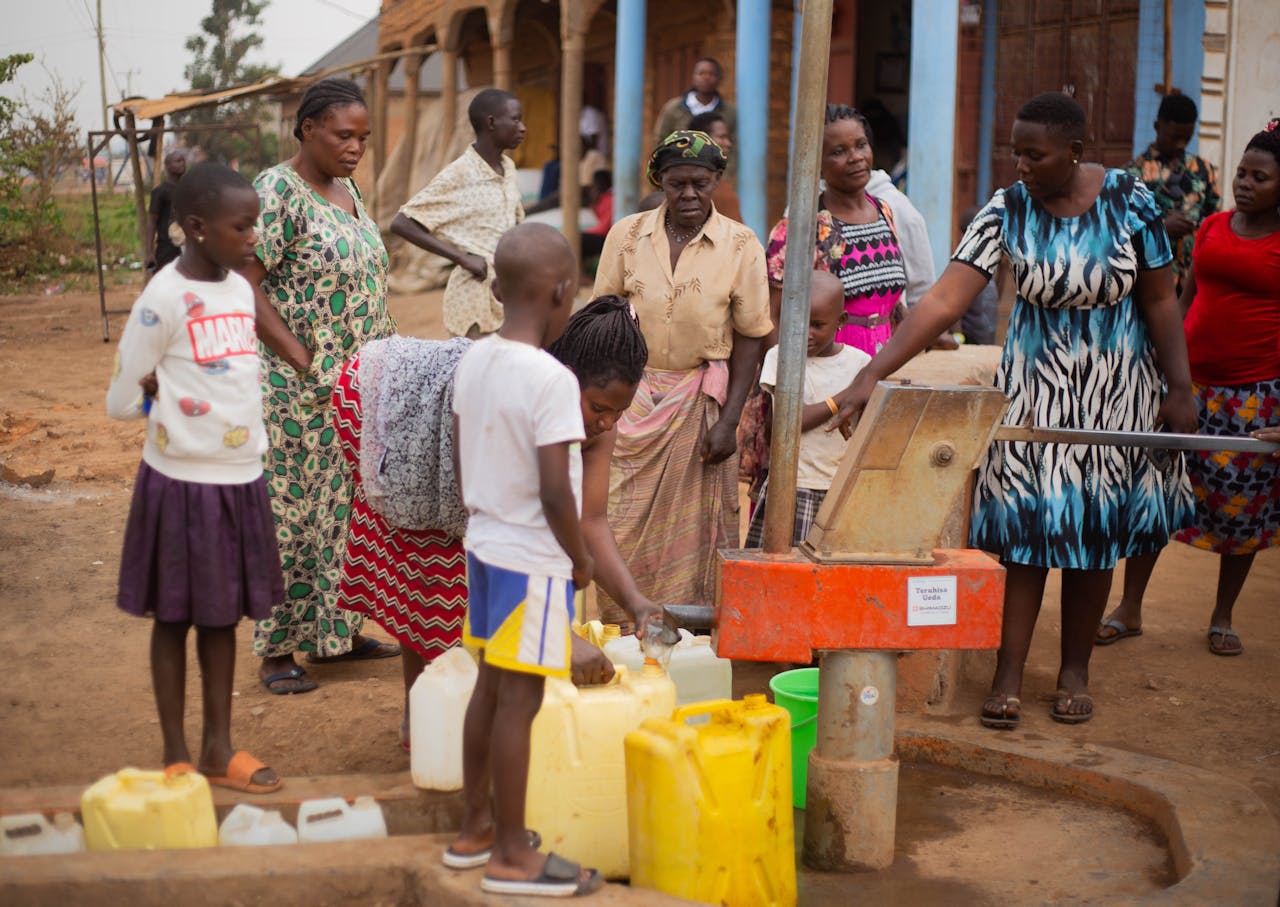
Water is one of the most important things for life. Without clean water, people can get very sick. In The Gambia, a small country in West Africa, many people have struggled for a long time to get clean, safe water. But now, some special groups called NGOs (non-governmental organizations) are helping to change that. One such group is Aqua Maya. They, along with others, are working hard to make sure more people in The Gambia can get clean water easily. This article will explain how NGOs like Aqua Maya are helping improve water access in The Gambia and why this is so important.
Why Clean Water Is Important in The Gambia
In The Gambia, many people live in villages where clean water is hard to find. Often, water comes from rivers or wells that are not safe to drink from because they can have germs and dirt. Drinking unsafe water can cause sickness like diarrhea, which is especially dangerous for children. Clean water is needed not only for drinking but also for cooking, washing, and farming. Without it, people’s health, education, and work suffer.
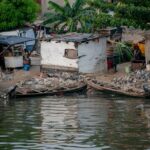
The Gambia River is very important to the country. It helps fishermen catch fish and farmers grow crops like peanuts and rice. Water is also part of many celebrations and daily life. But even though the river is a big water source, the water people drink needs to be clean and safe to avoid illness.
Current State of Water Access in The Gambia
While progress has been made, many people in The Gambia still lack easy access to safe water. For example, as of 2022, about 67.8% of people in cities have access to improved drinking water sources, while around 85.65% of all people in the country use at least basic drinking water services. However, only about 47.67% of Gambians have access to safely managed drinking water, which means water that is clean, available at their homes, and free from dirt and germs. These numbers show that even though some improvements have happened, there is still a lot of work to do, especially in areas far from cities.
What Challenges Does The Gambia Face?
Many parts of The Gambia still lack good water systems. Pipes and wells are old and sometimes broken. Water can get dirty because of leaks in pipes or because wells are too close to dirty places like latrines. Sometimes, people have to walk long distances to get water, which takes time and energy, especially for children and women.
The government has been working to fix these problems, but it needs help. This is where NGOs like Aqua Maya come in. They bring money, knowledge, and tools to help communities get better water.
Challenges of Water Scarcity and Pollution in The Gambia
The Gambia also faces problems with water not being enough in some places and water getting dirty. For example, water can become contaminated from poor sanitation, waste from factories, and chemicals used in farming. Changes in the weather, like less rain, and more people needing water put extra pressure on the water sources. These challenges make the work of NGOs even more important because they help find lasting ways to get clean water and protect it from pollution.
How Aqua Maya and Other NGOs Are Helping
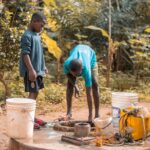
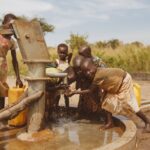
Aqua Maya is a US based not for profit charity that focuses on bringing clean water to local communities in West Africa and The Gambia falls into this category. They can do this by building big communal taps where many people can come together to get clean water safely. These taps are designed to keep water clean and safe from dirt and germs. This helps reduce sickness in the villages.
Besides building taps, Aqua Maya and other NGOs also:
• Repair old hand pumps and wells to make sure they work well and don’t get contaminated.
• Dig new wells far from dirty areas to get cleaner water.
• Train local people to take care of the water systems so they last longer.
• Work with the government and other groups like UNICEF to improve water quality and access.
• Teach communities about hygiene and why clean water is important for health.
For example, the Gambia Lifewater Project has helped fix many old hand pumps and trained local mechanics to keep them working. This has helped over 13,000 people get better water, and they plan to help even more.
The Role of Technology and Innovation in Water Access
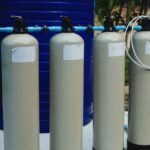
New technologies are playing a big part in improving water access. Many projects are now using solar-powered water pumps to bring water from deep underground to communities. These pumps use the sun’s energy, which means they don’t need electricity from a power grid, making them great for remote villages. The FAO, for instance, has set up 34 solar-powered water systems to help irrigate community vegetable gardens and provide water for animals across The Gambia, benefiting over 6,600 people, mostly women. These systems often include filters to make the water even cleaner for drinking. One solar-powered well helped farmers like Jammeh double their onion harvest, making their lives easier. The Ministry of Petroleum and Energy and the Ministry of Agriculture have also installed solar-powered water pumping systems in Wassadou and Siffoe women’s community gardens with support from the International Solar Alliance.
Economic Costs of Poor Water and Sanitation in The Gambia
Poor water and sanitation have a heavy cost on The Gambia’s economy and people’s well-being. A report estimated that the country loses around 638 million Dalasi (about US$24 million) each year, equivalent to 1.2% of its annual GDP, due to health problems, and lost productivity. This includes money spent treating illnesses caused by unsafe water and sanitation, as well as the economic impact when people are too sick to work or care for family members. Improving water and sanitation services not only saves lives but also boosts the economy by reducing these losses. The government and NGOs recognize that investing in clean water and sanitation is a smart choice that benefits everyone, especially vulnerable groups like children and women.
The Impact of Clean Water Access
When people get clean water, their lives improve in many ways:
• Health: Fewer people get sick from waterborne diseases like diarrhea and cholera.
• Education: Children, especially girls, spend less time fetching water and more time in school.
• Economy: Farmers can grow more food, and families save money on medical bills.
• Community: Clean water taps become places where people meet and support each other.
How Communities Are Involved
A key part of these projects is involving local people. NGOs train village members to maintain the wells and taps. This makes sure the water systems keep working for many years. It also gives the community a sense of ownership and pride.
A typical example is what an NGO called AQUA PEARLS Foundation is doing. They train villagers to repair and monitor wells. This helps make the water supply sustainable, meaning it will last and keep helping people in the future.
The Role of Women in Water Management and Community Health
In many Gambian communities, women play a central role in managing water for their families. They often bear the responsibility of fetching water, caring for children, and maintaining household hygiene. NGOs recognize this and actively involve women in water projects. By training women to operate and maintain water points, and by including them in decision-making, these programs empower women and improve community health. When women lead water management, water systems tend to be better cared for and used more effectively. This also helps women gain skills and confidence, contributing to gender equality and stronger communities overall.
The Importance of Hygiene and Sanitation Education
Having clean water is very important, but so is knowing how to use it safely and keep things clean. NGOs also teach communities about good hygiene practices, such as washing hands properly and keeping water safe once it’s collected. For instance, building separate toilets for boys and girls in schools helps make sure girls stay in school more often and improves overall health. Teaching about hygiene and sanitation helps reduce the spread of diseases from dirty water and makes sure that people use the new water sources in a healthy way.
National and Regional Water Goals and Partnerships
In order not to lean solely on NGOs, The Gambia is also working towards bigger goals for water. The country is committed to national and regional goals, like the African Water Vision 2025 which aims for fair and lasting use of water across Africa. There are many partnerships between the government, NGOs, and international groups to improve water systems and services.
For example, the Water for Everyone Initiative aimed to make sure everyone had access to clean water by 2023 through teamwork and funding. These partnerships bring more resources and help reach more people, showing a shared effort to solve water challenges in The Gambia.
Conclusion
Clean water is a basic need and a human right. In The Gambia, many people have lacked access to safe water for a long time. NGOs are helping to change that by building taps, fixing wells, training locals, and working with the government. Their work is making a big difference in health, education, and daily life. With continued support and teamwork, The Gambia can move closer to a future where everyone has clean water to drink and use safely.
This article shows how important clean water is and how Aqua Maya and similar groups are helping The Gambia get better water access, making life healthier and happier for many people.
Sources
2. https://www.fao.org/newsroom/story/No-ordinary-irrigation-in-the-Gambia/en
3. https://www.pvknowhow.com/news/400-farmers-benefit-from-new-solar-powered-well/
4. https://www.scirp.org/journal/paperinformation?paperid=83803
5. https://gamna.gov.gm/mope-hands-over-solar-powered-water-pumps-wassadou-siffoe
7. https://wagnersolargambia.com/solar-pumping-systems/
8. http://B.Water Mission – AQUA PEARLS Foundation https://share.google/UrM7h1jvyUFJ1mH5g
9. https://gambia.un.org/en/275626-scarcity-sustainability-how-clean-water-changing-gambia