Why Many Cabo Verdeans Still Rely on Bottled Water

Cabo Verde is a beautiful island country in the Atlantic Ocean made up of ten islands. Despite its natural charm, many people living there face a big problem every day: getting clean and safe water to drink. Even though water is essential for life, many Cabo Verdeans still have to rely on bottled water instead of drinking tap water. This article will explain why this happens, what challenges the country faces, and what is being done to improve the situation.
The Harsh Reality of Water Scarcity in Cabo Verde
Cabo Verde is located far from the African mainland, about 500 kilometers off Senegal’s coast. It is a group of islands that are very dry and have very little rainfall. The rainy season is short and rare, lasting only about ten days a year. This means that the islands do not get much natural water from rain, which makes it very hard to have enough fresh water for everyone.
Since 2017, Cabo Verde has been suffering from one of the worst droughts in decades. The drought has caused crops to fail, food to become scarce, and water sources to dry up. Many farmers have lost their crops, and the land has become less fertile. This has made life even harder for people who live in rural areas and depend on farming for their income.
Because of the drought, water in rivers and underground aquifers has decreased sharply. This means that the water available for drinking, farming, and other uses is very limited. The government even declared a state of emergency in 2022 because of the severe drought.
The Unreliable Tap: Quality Concerns and Infrastructure Deficiencies
Despite ongoing efforts, tap water in many parts of Cabo Verde remains an unreliable and often unsafe source of drinking water. Water quality is a major concern, with studies indicating that a significant portion of public water supplies do not meet national drinking water standards. Contamination by bacteria such as E. coli and coliforms has been detected in many samples, posing serious health risks to consumers. This contamination leads many to avoid tap water for drinking due to fear of waterborne diseases.
The country’s water infrastructure faces significant strain due to rapid urban growth and aging systems. While about 59% of the population has access to clean water at home or on their property, many still depend on communal taps or private deliveries. In densely populated areas like Santa Maria on Sal island, many residents and businesses rely on expensive private wastewater removal and water treatment due to strained public infrastructure. Furthermore, 54% of rural residents and 16% of urban residents lack access to improved sanitation facilities, with open-air defecation common in rural areas, contributing to waterborne diseases.
The primary method for supplying water in Cabo Verde is energy-intensive desalination, which converts seawater into potable water. This process is costly, as it relies heavily on imported fossil fuels to power the national grid. The high energy costs directly translate to expensive water production, making water supply both costly and sometimes unreliable for many residents. This reliance on energy-intensive desalination creates a vicious cycle where water and electricity shortages fuel each other: desalination requires vast amounts of electricity, increasing pressure on the power grid, and as electricity shortages worsen, desalination becomes less reliable, deepening the water crisis.
The Allure of Bottled Water: Safety, Reliability, and Economic Impact
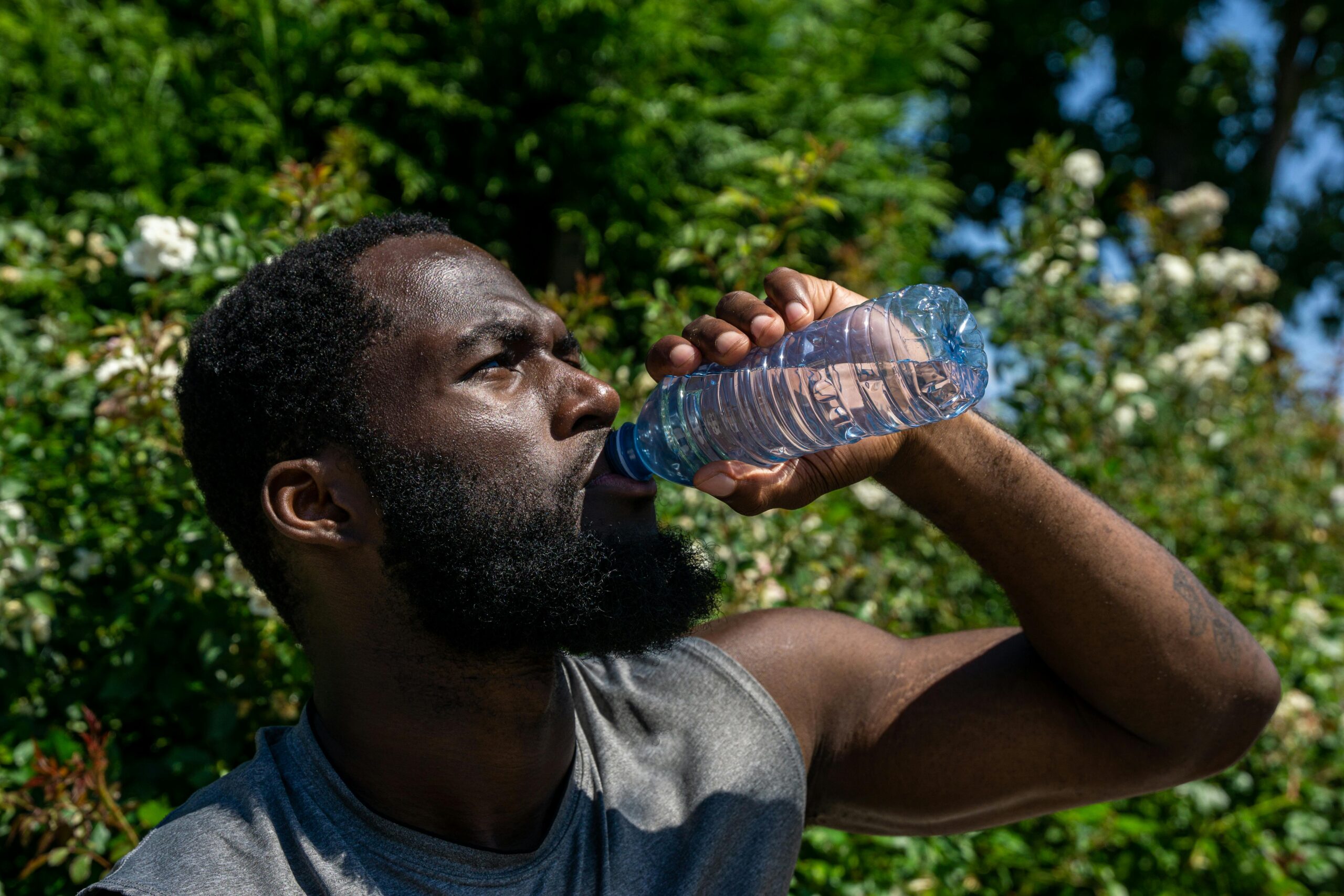
Given the issues with tap water, bottled water emerges as a preferred and often necessary alternative for many Cabo Verdeans. It is generally perceived as safer due to stricter quality controls and freedom from common contaminants found in tap water. This perception of safety, combined with the unreliability of municipal water supply, drives consumer preference for bottled water. When tap water supply is interrupted, which is common during peak demand, or its quality is suspect, bottled water provides a consistent and trusted source.
For families, especially those with vulnerable members like children, bottled water offers peace of mind against waterborne illnesses. Research comparing bottled and tap water on islands like Fogo has shown that bottled water typically meets quality standards and has lower mineral content, reinforcing its perceived superiority.
The demand for bottled water also reflects a significant economic disparity. While luxury resorts and the tourism sector, which accounts for up to 40% of the country’s GDP and employs over a third of its workforce, enjoy a steady water supply, many local communities face rationing and high prices for water deliveries. The cost of bottled water can be a substantial burden for low-income families, who often consume less water than recommended due to financial constraints and supply interruptions. NGOs like Aqua Maya contribute to addressing this need by providing safe water solutions, yet the widespread reliance on bottled water underscores the ongoing challenges in achieving universal access to clean, affordable tap water.
The Human Cost: Livelihoods and Health
The impact of water scarcity extends far beyond mere inconvenience, profoundly affecting livelihoods, health, and social stability. In a country where 22% of the active population works in agriculture, the drastic decline in agricultural production due to drought directly threatens food security and pushes more families into poverty. For those dependent on livestock, water scarcity also affects their primary source of income.
Health is another critical concern. Limited access to safe drinking water and inadequate sanitation facilities contribute to the prevalence of waterborne diseases. The economic crisis, compounded by global events like the COVID-19 pandemic has further worsened these issues by increasing food and energy prices, disproportionately affecting the poorest segments of the population.
For many Cabo Verdeans, securing water involves daily struggles, whether it’s rationing, paying high prices for deliveries, or walking long distances to fetch water. The psychological burden of constant water insecurity adds another layer of hardship.
Investments, Sustainable Solutions, and Future Resilience
Cabo Verde faces a complex water crisis, but the country is actively pursuing a range of strategies to improve water access, quality, and sustainability. These efforts combine immediate infrastructure improvements with long-term plans to build resilience against climate change and ensure water security for future generations.
● Infrastructure Development and Community Empowerment
Significant investments have been made to enhance water infrastructure, especially in rural areas where water scarcity hits hardest. For example, the Picos and Engenhos Watershed Management project, funded by the African Development Bank, has constructed irrigation systems, wells, and reservoirs on Santiago Island. This initiative has transformed local farming communities, providing a steady water supply that has helped nearly 1,000 women smallholder farmers increase their agricultural output and income. Vocational training and support for farming associations, particularly for women, have empowered communities to better manage water resources and improve livelihoods.
● Technological and Renewable Energy Solutions
Recognizing the high cost and environmental impact of energy-intensive desalination, Cabo Verde is exploring renewable energy sources such as wind and solar power to reduce reliance on imported fossil fuels. These renewable energy projects aim to power desalination plants more sustainably and lower production costs. Additionally, water-saving technologies like drip irrigation are being promoted to conserve water in agriculture, which accounts for a significant portion of water use.
● Policy Reforms and Institutional Strengthening
Since 2012, the government has implemented reforms to improve water access and sanitation. These include the creation of the Social Access Fund to help vulnerable populations afford water services and the establishment of water utilities like Aguas de Santiago to enhance service delivery. Strengthening water governance and improving monitoring systems are key components of these reforms, ensuring that water quality and distribution meet national standards.
● Building Climate Resilience for the Future
Climate change poses a growing threat to Cabo Verde’s water security, with predictions of shorter rainy seasons and more frequent extreme weather events. To adapt, the country is integrating climate resilience into its water management strategies. This includes restoring natural vegetation to protect watersheds, improving water recycling and conservation practices, and developing early warning systems for droughts and floods. International partners provide critical support in financing these adaptation measures and sharing technical expertise.
● Long-Term Vision
The ultimate goal is to reduce Cabo Verde’s dependence on bottled water by ensuring that tap water is consistently safe, affordable, and accessible to all. Achieving this requires sustained investment in modernizing water infrastructure, expanding renewable energy use for desalination, and empowering communities to manage water sustainably. By addressing both immediate needs and future risks, Cabo Verde aims to secure clean water as a fundamental right for its people.
Conclusion
The ongoing reliance on bottled water in Cabo Verde highlights the urgent need to address deep-rooted challenges in water supply and quality. Water scarcity, infrastructure limitations, and climate pressures continue to impact health, livelihoods, and economic stability across the islands. While bottled water provides a necessary safe alternative today, it also shows gaps in equitable access to clean tap water.
Significant progress is being made through investments in infrastructure, renewable energy, and community-based solutions, supported by both government initiatives and help from nonprofits like Aqua Maya. These efforts are critical steps toward building a resilient water system that can withstand climate change and meet the needs of all Cabo Verdeans.
Achieving universal access to safe, affordable, and reliable tap water will require sustained commitment, innovation, and collaboration. With continued focus on these priorities, Cabo Verde can move beyond dependence on bottled water and secure a healthier, more sustainable future for its people.
Sources
2. https://go-api.ifrc.org/api/downloadfile/89573/Cape%20Verde_INP_2025.
3. https://reliefweb.int/report/cabo-verde/cabo-verde-dref-operation-final-report-no-mdrcv003
6. https://www.mdpi.com/2073-4395/15/7/1625
8. https://www.preventionweb.net/news/cabo-verde-drought-within-ocean