Best Water Purification Methods for Travelers in Guinea: Stay Safe & Hydrated

You just landed in Conakry, Guinea’s vibrant capital. You’re eager to explore its lively markets and stunning highlands. You’re excited but cautious – your guidebook warns that tap water here isn’t safe. As a traveler, staying hydrated without risking illness is a top priority. Guinea’s water challenges, from contaminated wells to unreliable urban pipes, make purification essential. This guide shares the best water purification methods for travelers in Guinea, ensuring you stay safe and hydrated.
Why Water Purification Matters in Guinea
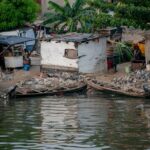
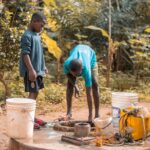
In Guinea, urban tap water, managed by the Société des Eaux de Guinée (SEG), often suffers from contamination due to old pipes. In rural regions, where most Guineans live, people rely on wells, rivers, or ponds, which are prone to pollution from livestock, human waste, or floods.
Contaminated water poses serious health risks for travelers. The Centers for Disease Control and Prevention (CDC) advises against drinking tap water in Guinea due to waterborne diseases like traveler’s diarrhea, cholera, and typhoid. Multiple cases of diarrheal illnesses in Guinea are recorded to be largely linked to unsafe water. Traveler’s diarrhea, for instance, is a problem common to developing nations – like the Sub-Saharan Africa nations – as standards of sanitation and personal hygiene are frequently lacking. Diarrhea is the most frequent health problem encountered by travelers to developing countries, affecting 20% to 50% of individuals.
Purification is critical because even seemingly clean water can harbor pathogens, like E. coli, or chemicals from agricultural runoff, like nitrates. Whether you’re hiking in Fouta Djallon or staying in a Conakry hotel, having reliable purification methods ensures you enjoy Guinea’s wonders without health setbacks.
Health Risks for Travelers
Travelers face unique risks due to unfamiliar water conditions. Common illnesses include:
- Traveler’s Diarrhea: Caused by bacteria like E. coli, often from water or food contamination. Symptoms include stomach cramps and dehydration.
- Cholera: Rare but serious. Linked to contaminated water, especially during the rainy season.
- Typhoid: According to the WHO, as of 2019, an estimated 9 million people get sick from typhoid and 110,000 people die from it every year. It spreads through water or food contaminated with Salmonella Typhi. Once Salmonella Typhi bacteria are ingested, they multiply and spread into the bloodstream.
- Hepatitis A: A highly contagious virus that spreads through person-to-person contact or by consuming contaminated water or food. It’s preventable with vaccination, but it is also important to practice good hygiene, particularly hand washing.
Boiling, filtering, or using bottled water is helpful for avoiding these risks.
Best Water Purification Methods for Travelers
Travelers need portable, effective purification methods suited to Guinea’s varied environments, from urban hotels to rural trails. Here are the top options:
Boiling
Boiling water for one minute kills bacteria, viruses, and parasites, as recommended by the CDC. Let water cool naturally without adding ice, which could reintroduce contaminants. It’s reliable, but requires a heat source, which may be impractical for camping or short hotel stays. Boiling is fuel-intensive, so it’s best for situations with access to a stove or fire.
Portable Water Filters
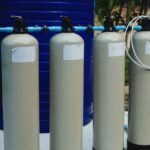
Portable filters, like those from Sawyer or Katadyn, remove bacteria and protozoa with a 0.1-micron pore size. They’re lightweight (4–12 ounces) and ideal for hiking or rural travel. Don’t forget, it’s important to clean filters regularly to prevent clogging.
Chemical Treatment
Chlorine or iodine tablets, such as Potable Aqua, disinfect water by killing bacteria and viruses. They’re compact and easy to carry, perfect for backpackers. Chlorine dioxide tablets are more effective against parasites like Cryptosporidium, which iodine misses. Follow dosage instructions, as overuse affects taste and health. Tablets take 30–40 minutes to work depending on water clarity.
UV Purification
UV purifiers, like SteriPEN, use ultraviolet light to neutralize pathogens, including viruses. They’re lightweight (3–5 ounces) and work in 90 seconds, but require batteries and clear water (pre-filtering sediment). They’re ideal for urban travelers with access to electricity for recharging.
Bottled Water
Bottled water is widely available in cities like Conakry and Kindia, but are costly and environmentally taxing.
There are warnings that bottled water in developing countries may not meet safety standards due to lax regulations. Check seals and choose reputable brands, like Voltic. Carry a reusable bottle to refill with treated water, reducing plastic waste.
Preparing for Safe Water Before Your Trip
Planning ahead ensures you’re equipped for Guinea’s water challenges. Here’s how to prepare:
- Research Your Itinerary: Urban areas have bottled water and hotels with filtered systems, but rural areas, like Labé or Nzérékoré, rely on wells. Pack portable purifiers for remote travel.
- Choose the Right Purifier: Select based on your trip. Filters suit long treks, while UV purifiers are great for city hopping. CDC travel advisory recommends combining filters with chemical tablets for maximum protection in Guinea.
- Pack Backup Supplies: Bring extra batteries for UV purifiers or additional chemical tablets. A collapsible water bottle saves space.
- Get Vaccinations: Hepatitis A and typhoid vaccines, recommended by the CDC, reduce risks from accidental exposure.
- Learn Local Practices: Connect with NGOs like Aqua Maya, which supports community water projects. Their initiatives, like boreholes in rural areas, can provide safe water sources at your destination.
The Lonely Planet travel guide to West Africa emphasized pre-trip planning, noting that travelers who researched water options reported fewer health issues. Preparation saves time and stress, letting you focus on Guinea’s culture and landscapes.
Navigating Water Challenges in Guinea’s Regions
Water safety varies across Guinea, affecting how you purify water:
- Conakry and Urban Areas: Piped water is common but unsafe without treatment. Hotels often provide filtered water, but verify with staff. Bottled water is readily available, and UV purifiers or tablets are convenient for short stays.
- Fouta Djallon Highlands: Rural and hilly, this region has rivers but few treated sources. Wells are often contaminated. Filters or boiling are best for hikers, as bottled water is scarce, unless one carries a reusable bottle.
- Forest Region (Nzérékoré): Dense and remote, this area relies on rivers and shallow wells. Filters and chemical tablets are practical for jungle treks.
- Upper Guinea (Kankan): Dry and hot, this region faces severe dry-season scarcity. Well levels reduce, forcing reliance on polluted ponds. Solar-powered boreholes are increasing, but travelers should carry filters or UV purifiers for reliability.
Practical Tips for Travelers
- Avoid Tap Water: Don’t drink tap water, use it for ice, or brush teeth with it. The CDC warns that even small amounts can cause illness.
- Check Food Safety: Avoid raw foods (salads, fruits) rinsed in tap water. Stick to peeled fruits or cooked dishes.
- Stay Hydrated: Guinea’s heat increases dehydration risks. Aim to drink 2–3 liters daily, using purified water, as advised by the WHO.
- Support Local Efforts: Engage with community water projects, like those supported by Aqua Maya, to learn about safe water points and contribute to local solutions.
- Pack Smart: Carry a reusable bottle, purification tablets, and a filter for emergencies.
Broader Context: Guinea’s Water Efforts
Guinea’s government, with World Bank support, is improving water access. Rural areas rely on NGO initiatives, like making boreholes available, which increases water access. These efforts benefit travelers by improving water point availability, though purification remains essential.
Environmental challenges persist. Plastic waste from bottled water pollutes Guinea’s rivers. Travelers can reduce impact by using reusable bottles and purifiers.
Hope for Travelers in 2025
Guinea’s water access is improving thanks to innovations like solar-powered boreholes and community projects. Aqua Maya’s work with rural communities is creating more safe water points, which travelers can benefit from. Education campaigns, backed by the WHO, are raising awareness about hygiene, reducing contamination risks.
Travelers can explore Guinea confidently with the right purification tools and preparation. From Conakry’s markets to Fouta Djallon’s trails, safe hydration lets you focus on the journey, not the risks.
Conclusion
Traveling in Guinea requires careful water purification to stay safe and hydrated. Boiling, portable filters, chemical tablets, UV purifiers, and bottled water are the best methods, each suited to different travel scenarios. Preparing before your trip and understanding regional water challenges ensure you’re ready for urban or rural adventures. Aqua Maya’s community water projects are part of Guinea’s progress, offering hope for safer water access by 2025.
Pack smart, purify diligently, and engage with local efforts to make your trip to Guinea healthy and memorable. With these tools, you can embrace West Africa’s beauty without worry.
FAQs
Can I trust bottled water in Guinea?
Mostly, but check seals and buy trusted brands, like Voltic. Some bottles may be refilled unsafely.
What’s the easiest purification method for travelers?
Chemical tablets are lightest and simplest, though filters or UV purifiers are faster for frequent use.
Is tap water safe in Conakry hotels?
No, treat it first. Even filtered hotel water should be verified as pipes may be contaminated.
What purification method suits rural hiking?
Portable filters or chlorine dioxide tablets are lightweight and effective for well or river water.
How can I find safe water points in Guinea?
Ask locals or follow NGOs like Aqua Maya to find out about community boreholes, especially in rural areas.
Sources
1. https://www.sciencedirect.com/science/article/pii/S073386270570290X
2. https://www.cdc.gov/hepatitis-a/prevention/index.html
3. https://www.farmstandapp.com/30261/5-best-portable-water-filters-for-camping-on-the-farm/
4. https://wwwnc.cdc.gov/travel/notices