How Clean Is the Water in Abidjan and Other Major Cities?

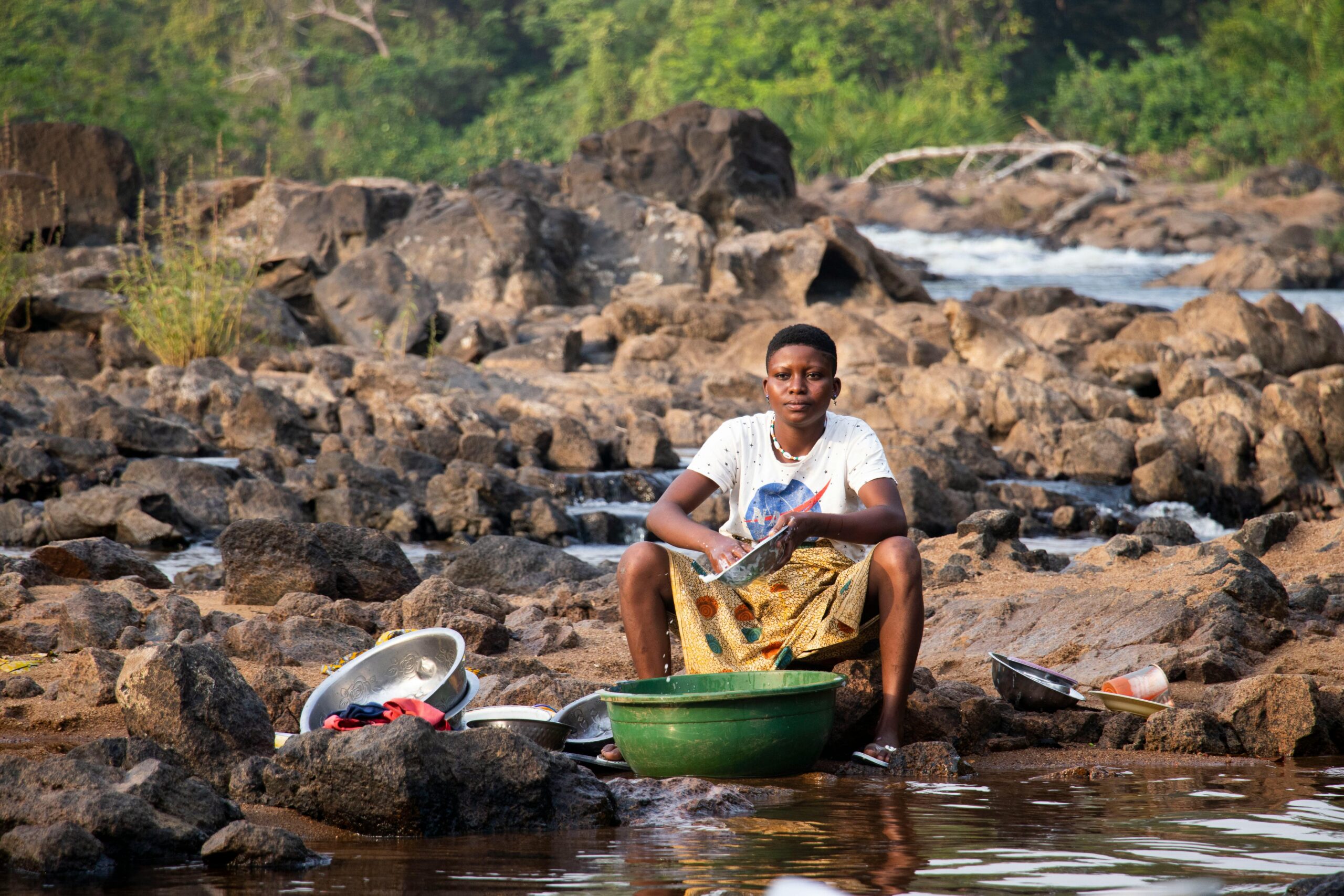
Water is a vital part of everyday life. People need it for drinking, cooking, cleaning, and farming. But not all water is clean or safe. In big cities like Abidjan, Bouaké, and Daloa, millions of people rely on different water sources. Some get water from taps, others from wells, rivers, or springs. But how clean is this water? Can people trust it to keep them healthy? This article explores the quality of water in Côte d’Ivoire’s major cities, the challenges faced, and the efforts to improve water safety, with simple words and real facts.
Water Quality Challenges in Côte d’Ivoire’s Cities
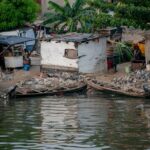
Côte d’Ivoire has many rivers and water sources, but the quality of water in its cities is often poor. One big problem is pollution. Factories, homes, and farms sometimes dump waste into rivers and lakes. This makes water dirty and unsafe. In cities like Abidjan, the capital, rapid growth has put pressure on water systems and sanitation. Many people live in crowded areas without proper toilets or sewage systems. This causes waste to leak into water sources, spreading diseases.
According to recent reports, over eight million people in Côte d’Ivoire lack access to proper sanitation. This means many people use water that may carry germs causing illnesses like diarrhea and cholera. These diseases are especially dangerous for children under five, who make up a large part of the population affected by unsafe water.
Impact of Civil Unrest and Recovery Efforts on Urban Water Quality
Côte d’Ivoire has faced periods of civil unrest that damaged much of the country’s water infrastructure, especially in cities. Many water treatment plants and pumps broke down or stopped working. This left millions without safe water, forcing people to use unsafe sources like polluted rivers or unprotected wells.
In cities like Abidjan and areas in the west, recovery efforts have focused on rebuilding water systems. For example, over 61,000 people in western Côte d’Ivoire gained access to clean water through new and repaired wells and pumps as part of post-conflict recovery programs. These projects also set up community management groups, often with half the members being women, to maintain water points and ensure sustainability.
However, challenges remain. Lack of power and equipment for maintenance slows down repairs. Many urban neighborhoods still struggle with intermittent water supply and poor sanitation, which affects water quality.
This history shows how political stability and peace are essential for clean water access. It also highlights the importance of community involvement in keeping water safe.
Water Sources in Major Cities
Abidjan
Abidjan is the largest city and economic center of Côte d’Ivoire. It has a mix of water sources:
• Tap water supplied by SODECI (Société de Distribution d’Eau de Côte d’Ivoire), the national water company.
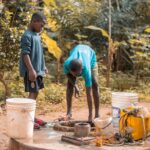
• Wells and boreholes used by many neighborhoods.
• Rivers and lagoons, such as the Ébrié Lagoon, which is heavily polluted.
While SODECI provides water to many, its quality is sometimes questioned. In some areas, the water looks cloudy and may contain contaminants. Pollution from poor sewage and waste management affects the underground water (aquifers) and surface water. Saline intrusion (saltwater mixing into freshwater) is also a problem near coastal areas, reducing water quality.
Bouaké
Bouaké is the second-largest city. It has faced serious water shortages, like in 2018 when the Loka dam dried up, cutting water supply to about 1.5 million people. This shortage forced many residents to use unsafe water sources. Pollution from mining and agriculture also threatens water quality in the region.
Daloa
Daloa, a major city in western Côte d’Ivoire, relies heavily on spring water, wells, and water from SODECI. A survey showed that 78% of people prefer spring water, while only 2% trust SODECI’s water for drinking without treatment. Well water is often used for washing and cooking, but concerns exist about its safety. Some say SODECI water looks cloudy and may need treatment before drinking.
Causes of Water Pollution in Cities
Several factors cause water pollution in Côte d’Ivoire’s urban areas:
• Poor sanitation: Many neighborhoods lack proper toilets and sewage systems. Waste often ends up in rivers or underground water.
• Industrial waste: Factories sometimes release untreated waste into water bodies.
• Solid waste: Trash and plastic dumped in streets and waterways block drainage and pollute water.
• Agricultural runoff: Chemicals and fertilizers from farms wash into rivers and lakes.
• Urban growth: Rapid population increase strains water and sanitation infrastructure.
Health Risks from Unsafe Water
Unsafe water causes many health problems in Côte d’Ivoire’s cities:
• Diarrhea and cholera: These are common diseases linked to dirty water. They can be deadly, especially for young children.
• Other infections: Worms and parasites can spread through contaminated water.
• Malnutrition: Repeated illness from unsafe water weakens children’s health and growth.
The lack of clean water also affects education. Many children, especially girls, spend hours fetching water instead of going to school. When schools lack proper toilets, girls may miss classes during menstruation.
Efforts to Improve Water Quality
Government and International Projects
The government of Côte d’Ivoire, with help from international partners like the World Bank, has launched projects to improve urban water supply and sanitation. These projects aim to:
• Increase water production and storage capacity.
• Build and repair pipelines and water treatment plants.
• Provide social water connections to low-income households.
• Improve sanitation facilities in schools, helping thousands of students, including girls, with better hygiene.
Community and NGO Involvement
Local groups and NGOs also play a key role. For example, Aqua Maya works in West Africa, including Côte d’Ivoire, to bring safe water to communities. They build and maintain water systems and teach people how to keep water clean at home. Their work helps reduce waterborne diseases and improve health.
Repairing Wells and Pumps
In rural and urban areas, repairing old wells and water pumps has helped thousands of people access fresh groundwater. For example, the Global Nature Fund repaired pumps in 44 villages, benefiting about 24,000 people.
Role of Government and Integrated Water Resources Management (IWRM)
The government of Côte d’Ivoire plays a key role in managing water quality in cities. The Ministry of Water and Forests oversees water supply and conservation. Since 2018, the Ministry has worked through the National Drinking Water Office (ONEP) and the water company SODECI to improve water access and quality.
One important approach is Integrated Water Resources Management (IWRM). This means managing water in a way that balances social, economic, and environmental needs. IWRM involves different stakeholders – government, communities, industries – working together to protect water sources and ensure fair access.
Since 2021, projects have started in northern Côte d’Ivoire to implement IWRM, focusing on river basins like the Bandama River. These projects raise awareness, create local water committees, and encourage community participation. This bottom-up approach helps build lasting solutions.
However, challenges like overlapping responsibilities between agencies, lack of qualified staff, and limited funding slow progress. More coordination and investment are needed to make IWRM fully effective.
Water Treatment and Monitoring
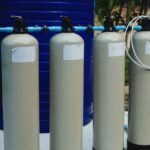
Water treatment plants clean water before it reaches homes. In Abidjan, the La Mé Water Treatment Plant treats river water and supplies it to many neighborhoods. This helps reduce reliance on wells and protects groundwater.
Monitoring water quality is important to catch pollution early. Studies show that rivers like the N’Zi have pollution from heavy metals and organic waste, which need constant checking.
Household Water Storage Practices and Risks
In many cities in Côte d’Ivoire, even when people have access to tap water, they often store water at home for later use. This is because the water supply can be unreliable, or people want to have water on hand for convenience. However, storing water can create new risks for contamination.
A study in Abidjan found that while the water from the municipal supply (SODECI) was generally good, the stored water in households was often contaminated with bacteria like E. coli. This happened because chlorine levels decreased over time in stored water, and containers were not always clean. About 41% of stored water samples had E. coli, making the water unsafe to drink.
To prevent this, people are advised to use clean, covered containers for storing water. It’s also important to use stored water quickly and to regularly clean the containers. Boiling water before storing it can also help kill germs and keep the water safe longer.
How People Use Water in Cities
People in cities use different water types for different needs:
• Drinking: Many prefer spring or bottled water when available.
• Cooking and washing: Tap water or well water is often used.
• Bathing and cleaning: Usually tap or well water.
Because of concerns about tap water quality, many people boil or filter water before drinking.
What Can Be Done to Improve Water Safety?
• Expand and maintain water treatment plants.
• Improve sanitation and sewage systems to prevent pollution.
• Educate communities on safe water handling and hygiene.
• Support NGOs like Aqua Maya to build local water systems.
• Increase monitoring of water quality in cities and rural areas.
• Promote affordable water filters and boiling practices at home.
Conclusion
Water in Côte d’Ivoire’s major cities like Abidjan, Bouaké, and Daloa faces many challenges. Pollution, poor sanitation, and rapid urban growth affect water quality and people’s health. While tap water is available, many still worry about its safety and rely on wells, springs, or bottled water. Efforts by the government, international partners, and NGOs like Aqua Maya are helping to improve water supply. But much work remains to ensure everyone can drink clean, safe water every day.
Summary Table

Sources
1. https://borgenproject.org/5-facts-water-quality-in-cote-divoire/
2. https://borgenproject.org/water-quality-in-cote-divoire-a-vision/
5. https://www.sciencepublishinggroup.com/article/10.11648/j.wros.20251401.12
6. https://www.ajol.info/index.php/ijbcs/article/view/235228/222229
7. https://citeseerx.ist.psu.edu/document
8. https://www.sciencepublishinggroup.com/article/10.11648/j.ijnfs.20241303.15
9. https://www.scirp.org/journal/paperinformation