How Lack of Clean Water Affects Daily Life in Côte d’Ivoire

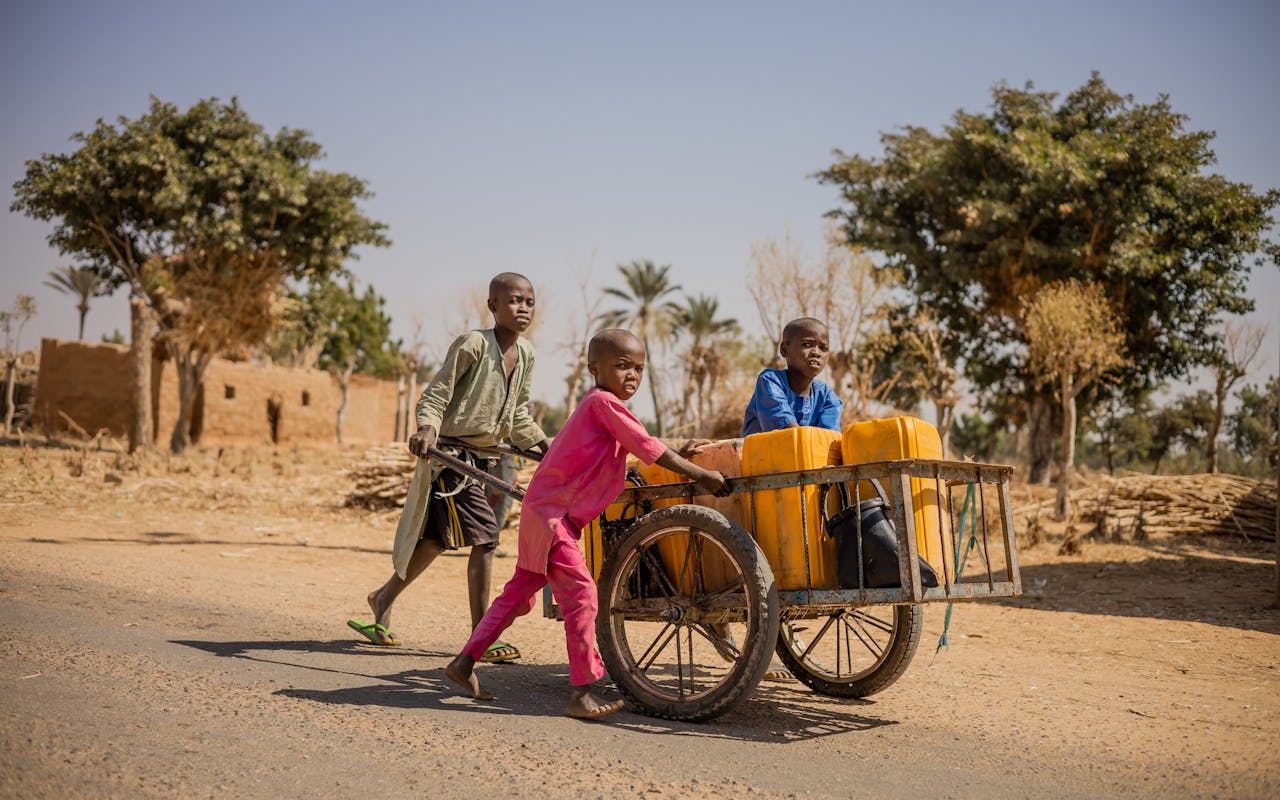
Water is something many people take for granted. We turn on the tap, and clean water flows out easily. We drink it, wash our hands, cook our food, and even play in it. But for millions of people in Côte d’Ivoire, water is not so simple. They have to walk long distances to find water, and sometimes the water they find is dirty or unsafe. Imagine being a child who has to leave school early every day just to carry heavy buckets of water home. Or a mother worried if the water she gives her family will make them sick. This is the reality for many in Côte d’Ivoire, where the lack of clean water affects every part of daily life – from health and education to work and happiness. Understanding these challenges helps us see why clean water is one of the most important needs for people to live healthy and full lives.
The State of Water Access in Côte d’Ivoire
Côte d’Ivoire has made some progress in providing water to its people, but many still do not have enough clean water. According to the World Health Organization and UNICEF, about 73% of the population had access to clean drinking water in 2021. This number sounds good, but it hides a big difference between cities and villages. In cities like Abidjan, many people have taps in their homes. But in rural areas, people often rely on wells, rivers, or ponds, which may not be safe.
Many water sources in rural areas are far from homes, forcing people to walk long distances. The civil war in Côte d’Ivoire damaged water systems, especially in the north, and these have not all been fixed. Rapid growth in cities also puts pressure on water supplies, making it harder for everyone to get clean water.
Health Impacts: Disease and Death from Dirty Water
Dirty water causes many health problems in Côte d’Ivoire. Waterborne diseases like diarrhea, cholera, and typhoid are common and dangerous. The World Health Organization reports that diarrhea alone causes about 80% of deaths in children under five in the country. This is because dirty water carries germs that make people sick.
When people drink or use unsafe water, they often get stomach pain, vomiting, and dehydration. Children are especially at risk because their bodies are small and weak. Many families cannot afford medicine or hospital visits, so sickness spreads quickly.
Polluted water also harms fishing, which is an important source of food and income. When water bodies like the Ébrié Lagoon become dirty from waste, fish die or become unsafe to eat, affecting nutrition and livelihoods.
Education Disruption: How Water Shortage Keeps Children Out of School
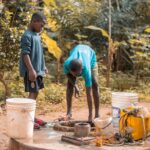
The lack of clean water affects children’s education in many ways. In many villages, children spend hours every day fetching water for their families. This means they miss school or arrive late, making it hard to learn. Girls are often the ones who carry water, so they miss more school than boys.
Even when children go to school, many schools do not have clean water or toilets. This is especially hard for girls during their monthly periods, causing them to miss school or drop out. Without clean water and proper toilets, schools become unsafe and uncomfortable places.
Missing school because of water problems limits children’s future chances. Education is the key to better jobs and healthier lives, so water shortage keeps many children trapped in poverty.
Economic and Social Consequences: How Water Problems Hurt Families
Water problems also hurt families’ ability to earn money and live well. Many people in Côte d’Ivoire work in farming, fishing, or small businesses. When they get sick from dirty water, they cannot work well or lose days of work. This lowers their income and makes it harder to buy food, clothes, or medicine.
Women and girls spend a lot of time collecting water – over 86% of households rely on them for this task. This takes time away from work, school, or rest. Carrying heavy water containers can also cause injuries and tiredness.
Water shortages can cause fights between neighbors or communities, especially when water sources are shared. This creates tension and makes life harder for everyone.
Water and Nutrition: How Dirty Water Hurts What We Eat
Clean water is important not just for drinking but also for growing and preparing food. Farmers in Côte d’Ivoire need water to grow crops like rice, yams, and vegetables. When water is dirty or scarce, crops do not grow well, and farmers earn less money.
People also need clean water to wash fruits, vegetables, and cooking utensils. Using dirty water can make food unsafe and cause stomach illnesses. This affects nutrition, especially for children, who need good food to grow strong and healthy.
Water and Hygiene: Staying Clean to Stay Healthy
Good hygiene is one of the best ways to stop sickness, but it needs clean water. Washing hands with soap, bathing, and cleaning clothes help prevent diseases. Unfortunately, many homes and schools in Côte d’Ivoire do not have enough water for these basic needs.
Poor hygiene leads to skin infections, eye problems, and other illnesses. When children cannot wash their hands before eating or after using the toilet, germs spread easily. Simple habits like handwashing can prevent many diseases, but this is hard without clean water.
The Role of Women and Girls: Water Collection and Its Challenges
In most communities in Côte d’Ivoire, women and girls are responsible for collecting water. This job takes many hours every day and involves carrying heavy buckets over long distances. This work is tiring and sometimes dangerous, especially if they have to travel early in the morning or late at night.
Because of this responsibility, girls often miss school or have less time to play and rest. Women have less time to work or take care of their families. This limits their chances to improve their lives and contributes to gender inequality.
Bringing clean water closer to homes can help women and girls have more time for education, work, and rest.
Water and Climate Change: Why Water Problems May Get Worse
Côte d’Ivoire is already feeling the effects of climate change. Some areas get less rain, while others face floods. These changes make it harder to find clean water. Droughts dry up wells and rivers, while floods can pollute water with dirt and waste.
Climate change makes water problems worse and more unpredictable. Communities need to prepare for these changes by protecting water sources and using water carefully. Governments and organizations are working to help communities adapt, but more support is needed.
Pollution and Its Impact on Water Quality and Communities
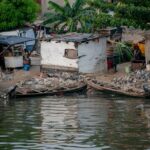
Pollution is a major problem that makes water unsafe in Côte d’Ivoire. Many rivers, lakes, and lagoons are polluted by waste from homes, factories, and farms. For example, the Ébrié Lagoon near Abidjan, one of the largest lagoon systems in West Africa, is heavily polluted with industrial waste, garbage, and sewage. This pollution kills fish and other water life, which hurts fishing communities that depend on these resources for food and income.
Poor waste management in cities leads to trash and chemicals entering water sources. Untreated water from industries and households is often dumped directly into rivers and lakes. This pollution spreads dangerous germs that cause diseases like diarrhea and cholera, which are responsible for many deaths, especially among children under five.
Plastic waste is another growing problem. Plastic bags and bottles clog waterways and beaches, making water dirty and harming animals. The lack of proper sanitation and solid waste systems makes it hard to keep water clean.
Pollution also affects the economy by lowering property values and reducing tourism and fishing activities. To protect water quality, Côte d’Ivoire needs better waste management, stronger laws, and community efforts to reduce pollution and keep water sources safe for everyone.
How NGOs Like Aqua Maya Help Bring Clean Water
Many Non-governmental organizations and groups are working to solve the water problem in Côte d’Ivoire. Aqua Maya is one such that provides access to clean water in local communities.
Aqua Maya also educates people about the importance of clean water and good hygiene. Their work helps reduce sickness and improve health in many communities.
Partnerships between non-profits like Aqua Maya, the government, and local people are important to bring lasting solutions to the water crisis.
Efforts Toward Solutions: Government and International Programs
The government of Côte d’Ivoire has launched programs like ‘Water for All’ to improve water access. Between 2019 and 2021, the government invested about 500 billion CFA francs in building and fixing water pumps, wells, and sanitation facilities.
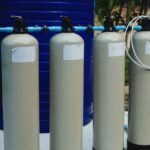
International groups also support water projects. For example, the Acqua for Life campaign helps install clean water systems in schools and villages. These projects focus on sustainability and community involvement to ensure water is available for the long term.
Though progress has been made, many people still lack clean water. Continued investment and cooperation are needed to reach everyone.
Conclusion
The lack of clean water in Côte d’Ivoire affects every part of daily life. It causes sickness and death, stops children from learning, makes work harder, and keeps families poor. Women and girls suffer the most because they spend hours collecting water. Climate change threatens to make the problem worse.
But there is hope. Government programs, NGOs like Aqua Maya, and more international partners are working to bring clean water to more people. With continued effort, clean water can become a reality for all Ivorians. This will help improve health, education, and the economy, leading to a better future for the country.
Sources
1. https://pmc.ncbi.nlm.nih.gov/articles/PMC8452002/
2. https://www.iwmi.org/where-we-work/cote-divoire/
3. https://belonging.berkeley.edu/climatedisplacement/case-studies/cote-divoire
5. https://borgenproject.org/water-quality-in-cote-divoire-a-vision/