Improving Access to Clean Water in Liberia: What’s Being Done?

Liberia is a country in Africa that has beautiful forests, beaches, and many friendly people. It is about the size of Tennessee in the United States of America and has about 5 million people living there.
Clean water is very important for everyone. We need clean water to drink, cook food, wash our hands, and stay healthy. Without clean water, people can get very sick.
In Liberia, many people don’t have clean water. This is a big problem. When people drink dirty water, they can get sick with bad stomach pains, fevers, and other illnesses. Kids might miss school and grown-ups may not be able to work.
Current Water Challenges
Not Enough Clean Water
Many towns and villages in Liberia don’t have enough clean water. Some places have no water pipes or wells at all. When the dry season (when it doesn’t rain for months) comes, finding water gets even harder.
Long Walks to Get Water
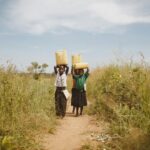
Many kids and moms have to walk a very long way to get water, sometimes walking for hours. Imagine carrying heavy buckets of water for miles and miles. This is very tiring. Also, when kids spend so much time getting water, they miss school and can’t learn or play with friends.
Dirty Water Making People Sick
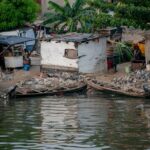
The water from some rivers and streams has germs that can make people sick. These germs are so tiny, they can’t be seen with the naked eye. But they can give you a bad stomach ache or make you throw up. In Liberia, many children get sick and die because of dirty water.
Solutions Being Tried
Building New Wells
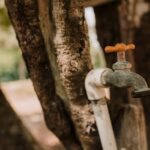
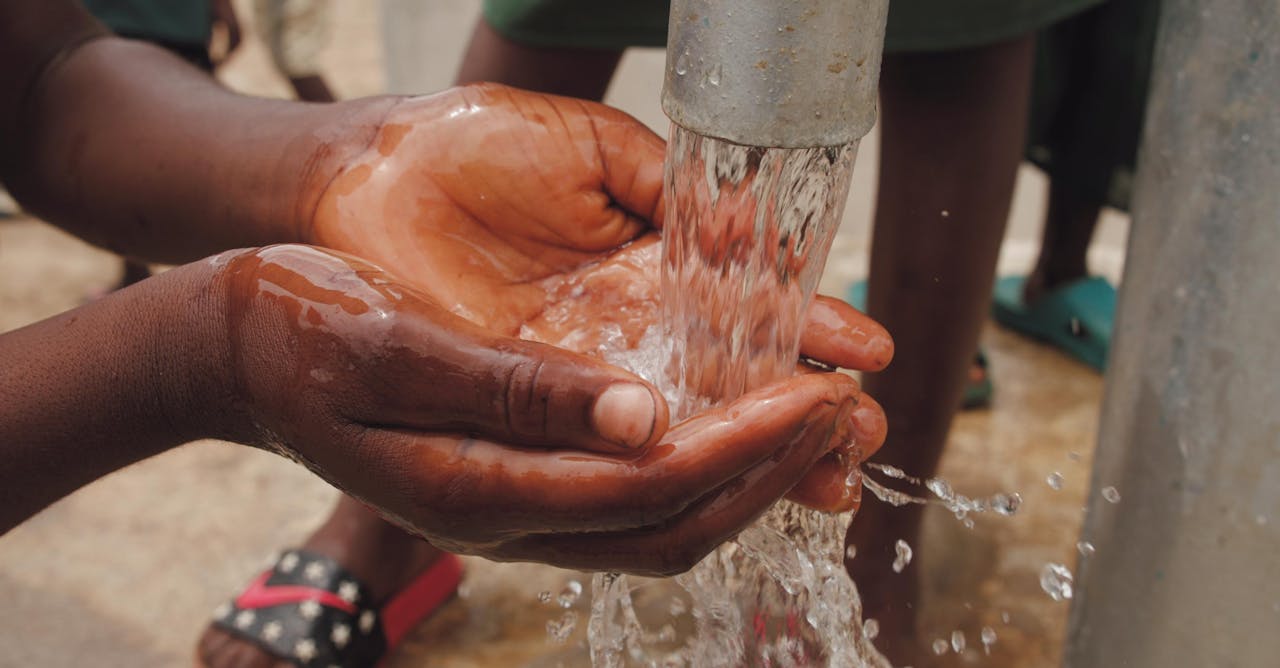
Helper groups are digging new wells in villages across Liberia. A well is a deep hole in the ground that reaches clean water under the earth. With a pump on top, people can get clean water without walking far or drinking from dirty rivers.
Fixing Broken Pumps
Many villages already have water pumps, but they’re broken. Special teams are going around fixing these pumps. They teach local people how to fix them too, so if they break again, someone nearby can help.
Teaching About Clean Water Habits
People are learning how to keep water clean and safe. They learn about washing hands before eating, boiling water to kill germs, and keeping water containers clean. Schools are teaching children these important habits too, so they can stay healthy and teach their families.
Who Is Helping?
Liberian Government
The government of Liberia is working to bring clean water to more places. They make plans about where to build new wells and water systems, and also make rules to keep water sources clean and safe.
Helper Groups From Other Countries
Many groups from around the world are in Liberia to help with water problems. These groups bring money, tools, and smart people who know how to build water systems. They work together with Liberians to make things better. Some of these groups are UNICEF, Water Aid, Oxfam and recently, Aqua Maya.
Local Community Leaders
In each village, there are special people who help lead water projects. These leaders talk to everyone in the village about what they need. They help decide where to put new wells and make sure everyone takes care of them. These leaders also teach others about keeping water clean.
Success Stories
Villages With New Water Pumps
Many communities now have their very own water pumps. In a place called Bong County, five communities were supported with solar-powered boreholes equipped with water towers and chlorination units. Now, instead of walking for hours to get water and drinking from the creek, people can get clean water right in their community. Everyone is happier and healthier.
Children Who Can Go to School Instead of Fetching Water
A girl named Fatu used to miss school three days every week because she had to walk miles to get water for her family. Now, her community has a water facility and she can go to school every day. She wants to be a doctor when she grows up. Though Fatu is not real, her story is similar to many children, who can now learn and play instead of carrying heavy water buckets.
Less Sickness in Areas With Clean Water
In villages with new wells that are chlorinated, fewer people are getting sick. This means kids can grow up stronger and healthier.
What Still Needs to Be Done
Reaching More Villages
There are still many villages in Liberia without clean water. Some are far away in the forests or mountains, which makes it hard to reach them. More work needs to be done to help these faraway places.
Training More People to Fix Pumps
When water pumps break, they need to be fixed quickly. Right now, there aren’t enough people who know how to fix them. More Liberians need to learn these important skills so they can keep the water flowing.
Getting More Money to Help
Building wells and water systems cost a lot of money. More money is needed to reach all the people in Liberia who still don’t have clean water. This money could come from other countries, kind people who want to help, and businesses.
How People Collect and Store Water
Rain Catchers on Roofs
Some homes in Liberia now have special gutters on their roofs that catch rainwater. The water flows into big tanks or barrels, a process called “rainwater harvesting.” During the rainy season (which lasts about six months in Liberia), families can collect lots of clean water this way.
Safe Containers for Water
It’s important to keep water clean after collecting it. Families are learning to use containers with lids to stop dirt and bugs from getting in. Special containers with spouts at the bottom are best because people don’t need to dip cups into the water, which could make them dirty.
Water Treatment at Home
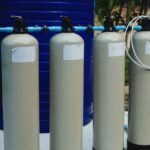
Even when water looks clean, it might still have tiny germs. Families are learning simple ways to make water safer at home. They can boil water for a few minutes to kill germs. Some use special tablets or drops that clean the water, while others use filters made of clay, sand, or special materials that catch the germs.
Water and Growing Food
Gardens That Need Less Water
Many families in Liberia grow their own food. New ways of gardening help plants grow with less water. For example, putting mulch (dried leaves and grass) around plants keeps water from drying up too fast.
Watering Systems for Farms
Some farms now use drip irrigation – a special system of pipes with tiny holes that slowly drip water right to plant roots. This uses much less water than flooding fields.
Fish Ponds and Rice Paddies
Some villages are making small ponds that hold water for growing fish and rice. These ponds catch rainwater during wet times and hold it for the dry season.
Water and Going to School
School Water Systems
Many schools in Liberia are getting their own water systems. When schools have clean water, children stay healthier and learn better. Girls, especially, benefit because they often miss school when there’s no water for washing during their monthly periods.
Water Clubs at School
Some schools have special “WASH clubs” (Water, Sanitation, and Hygiene). Children in these clubs learn about keeping water clean and teach others too. They become water leaders in their communities!
Learning Through Play
Teachers use games, songs, and stories to teach children about clean water. For example, in a game called “Germ Tag,” one child pretends to be a water germ while others try to “wash” the germ away. Learning this way is fun.
Climate Change and Water in Liberia
Changing Rain Patterns
The weather in Liberia is changing because of something called climate change. Sometimes it rains too much and causes floods. Other times, there’s not enough rain, making dry seasons longer and harder. This makes water planning difficult.
Protecting Water Sources
Trees and plants help keep soil in place so rain can soak into the ground and feed springs and wells. In places where too many trees have been cut down, the water dries up faster. People are now planting trees around water sources to protect them.
Planning for the Future
Communities are learning to plan for weather changes. Some are building bigger water storage tanks to save more water during rainy times. Others are digging deeper wells that won’t dry up during long dry spells.
Conclusion
Clean water is changing lives in Liberia. Every new well, every fixed pump, and every clean water lesson makes a big difference. When people have clean water, they stay healthier. Children can go to school instead of walking for hours to fetch water. Families can grow more food and live better lives.
There is still much work to be done. Many people in Liberia still don’t have clean water nearby. But things are getting better, step by step, village by village. The people of Liberia are learning new skills and working together to solve their water problems.
Everyone deserves clean water – it’s one of the most important things in life! By working together and caring about this problem, people in Liberia and helpers from around the world are making sure that more children and families will have clean water in the future.
When we help make sure that everyone has clean water, we help make the whole world better and fairer for all children.
Sources
1. https://2009-2017.state.gov/documents/organization/227357.pdf
2. https://en.wikipedia.org/wiki/Liberia