Is It Safe to Drink Tap Water in Guinea? A Comprehensive Guide

Safe drinking water is a critical concern in Guinea, a West African nation where many struggle to access clean water. Whether you’re living in Guinea, planning a visit, or simply interested in global water issues, knowing about tap water safety is essential. This guide covers the risks of drinking tap water, why quality varies, and how to stay safe. Organizations like Aqua Maya, which works to provide safe water to West African communities, are helping address these challenges, offering hope for a healthier future.
The State of Tap Water in Guinea
In Guinea, tap water in cities like Conakry comes from piped systems run by the Société des Eaux de Guinée (SEG). However, old pipes and irregular maintenance often cause contamination. In rural areas, where over 60% of people live, tap water is uncommon. Instead, communities use wells, rivers, or boreholes, which are easily polluted. A UNICEF report in 2020 stated that only approximately 67% of Guinean households have access to an improved water source, and at its current rate of progress, Guinea is not expected to meet the Sustainable Development Goal (SDG) of achieving universal access to sustainable drinking water services by 2030.
Water sources in Guinea include rivers, like the Niger, and groundwater wells. Urban treatment plants try to purify water, but frequent power outages and outdated equipment reduce their effectiveness. A portion of urban water systems in Guinea don’t meet safety standards due to poor chlorination or filtration. Rural water sources are even less reliable, with water contaminated by fecal matter or chemicals.
Health Risks of Drinking Tap Water
Drinking untreated tap water in Guinea can cause serious illnesses. Waterborne diseases, like cholera, typhoid, and diarrhea, are widespread. Cases of diarrheal diseases in Guinea, mostly linked to unsafe water, have been recorded.
Bacteria, such as E. coli and coliforms, are common in Guinea’s water. A 2020 study in Guinea-Bissau with similar conditions found that all tested water sources, including piped systems, had fecal contamination. Guinea faces the same problem, with aging pipes allowing sewage to mix with water. Chemical pollutants, like nitrates from farming, also affect rural wells.
Travelers are especially vulnerable due to unfamiliar water conditions. The Centers for Disease Control and Prevention (CDC) advises against drinking tap water in Guinea, recommending bottled or treated water to avoid traveler’s diarrhea. Many locals also avoid tap water, choosing safer options when possible.
Why Water Safety Varies Across Guinea
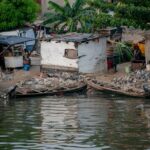
Water quality differs across Guinea due to infrastructure, population, and environmental factors. In Conakry, piped water is more available but often unsafe as a result of E. coli contamination, caused by pipe leaks or illegal connections. Rural areas, home to most of Guinea’s population, rely on open wells or rivers, which are easily polluted by livestock, human waste, or floods.
The rainy season worsens water quality. Heavy rains carry pollutants into water sources, overwhelming treatment systems. In the dry season, water becomes scarce, forcing people to use stagnant, contaminated sources.
Economic differences also matter. Wealthier households can afford bottled water or filters, while poorer families often use unsafe sources. This inequality shows why organizations like Aqua Maya, focused on bringing safe water to local communities, are so important.
Safe Ways to Treat Water in Guinea
To drink safely, tap water in Guinea must be treated. Here are effective methods:
Boiling
Boiling water for one minute kills most bacteria and viruses. The CDC suggests letting it cool naturally without adding ice, which could add germs. Boiling works well but needs fuel, which can be expensive or hard to get in rural areas.
Filtration
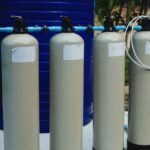
Portable water filters remove bacteria and some chemicals. Choose filters with a 0.1-micron pore size for best protection. They’re great for travelers or homes without safe water, however, filters need regular cleaning to work properly.
Chemical Treatment
Chlorine or iodine tablets disinfect water but don’t kill all parasites, like Cryptosporidium. Chlorine dioxide tablets, such as Potable Aqua, are a good choice for travelers. Follow instructions to avoid health or taste problems.
UV Purification
UV purifiers use light to destroy germs. They’re portable but need batteries and clear water (sediment must be filtered first). These devices are growing in use in Guinea’s cities.
Bottled Water
Bottled water is sold in cities like Conakry but can be costly. A 2023 press release noted that bottled water in some developing countries isn’t always safe due to weak regulations. Also, they can cause environmental issues without strong recycling systems. Plastic bottles litter Guinea’s landscapes and waterways. Regardless, check seals and buy from trusted brands. Also, dispose of empty bottles appropriately.
Tips for Staying Safe
- Travelers: Avoid tap water, ice, or foods rinsed in tap water. Use bottled or treated water for drinking and brushing teeth. Carry a reusable bottle with safe water to cut down on plastic waste.
- Residents: Boil water daily or get a filter if you can. Community boreholes, supported by NGOs, are improving access in some areas.
- Stay Updated: Water quality can change due to pipe breaks or floods. Check with local authorities or hotels for news.
- Hygiene: Use treated water for handwashing and avoid swallowing water while showering.
Guinea’s Efforts to Improve Water Access
Guinea’s government, with support from the World Bank, is working to fix water systems. The 2020 Urban Water Supply Project aims to repair Conakry’s pipes, reducing leaks and contamination.
NGOs have made significant efforts to improve water access and sanitation. These efforts include drilling new wells, installing standpipes, and rehabilitating existing water points, particularly in rural areas. Organizations, like UNICEF and Expertise France, have supported water and sanitation projects in Guinea, impacting communities in various regions. These projects aim to increase access to safe drinking water and improve sanitation facilities, ultimately benefiting the health and well-being of Guinean citizens.
Community water committees also help maintain wells and check quality, showing the power of local action.
The Role of Community Action in Improving Water Safety
Communities in Guinea are taking charge of their water challenges, often filling gaps left by limited infrastructure. In rural villages, local groups are forming water committees to manage boreholes and wells, ensuring they stay clean and functional. Community-managed water points in Guinea, and anywhere else, are more likely to remain operational than those without local oversight. These committees also teach hygiene practices, like handwashing with safe water, to reduce disease.
In urban areas, neighborhoods are organizing to report pipe leaks and advocate for repairs. Some communities pool resources to buy shared filters or build protected wells, reducing reliance on unsafe sources. These efforts show how local knowledge and teamwork can make a difference, even in tough conditions.
Organizations like Aqua Maya support these community-driven solutions. By working with local leaders, Aqua Maya is developing projects to bring safe water to Guinea’s villages, focusing on sustainable systems that communities can maintain. These initiatives empower people to take control of their water safety, creating lasting change. As more communities join this movement, Guinea’s path to clean water becomes clearer.
Broader Impacts of Unsafe Water
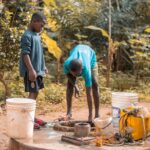
Unsafe water affects more than health. In rural Guinea, women and children spend hours fetching water, missing school or work. Polluted water also harms rivers used for fishing and farming, hurting local livelihoods.
The WHO reports that by improving water access, sanitation and hygiene can save 1.4 million lives per year.
Hope for the Future
Guinea’s future depends on innovation and teamwork. Solar-powered purifiers and ceramic filters are gaining traction in rural areas. Education campaigns, backed by the WHO, teach communities about boiling and hygiene. Schools are starting to include these lessons, helping kids grow up with better habits.
Aqua Maya’s community-focused projects are part of this progress, aiming to provide sustainable water solutions across Guinea. By combining technology, education, and local action, Guinea can move towards universal access to safe water, improving health and opportunity for all.
Conclusion
Tap water in Guinea is generally unsafe to drink without treatment due to bacterial and chemical contamination. Poor infrastructure and environmental challenges, especially in rural areas, make caution essential. Boiling, filtering, or using bottled water is the safest approach for residents and travelers.
Government, NGOs, and community efforts, including Aqua Maya’s work, are improving water access, but challenges remain. By supporting local action and sustainable solutions, Guinea can build a future where clean water is available to everyone. For now, treating tap water is the best way to stay healthy.
FAQs
Is tap water safe in Conakry?
No, it’s not safe without treatment. Boil, filter, or use bottled water.
What illnesses come from Guinea’s tap water?
Cholera, typhoid, and diarrhea are common, caused by bacteria like E. coli.
Is bottled water reliable in Guinea?
It’s safer but not guaranteed. Choose trusted brands with intact seals.
How can I make tap water safe?
Boil for one minute, use a 0.1-micron filter, or add chemical tablets. UV purifiers also work.
What’s being done to improve water in Guinea?
The government and NGOs are upgrading pipes and installing boreholes, but progress is gradual.
Sources
2. https://open.unicef.org/sites/transparency/files/2020-06/Guinea-TP6-2018.pdf
3. https://rapport-annuel.expertisefrance.fr/en/projects/pasa2/
4. https://earthwise.bgs.ac.uk/index.php/Hydrogeology_of_Guinea
5. https://www.scirp.org/journal/paperinformation?paperid=132457
6. https://unu.edu/press-release/bottled-water-masks-worlds-failure-supply-safe-water-alll