Is It Safe to Drink Tap Water in Sierra Leone?

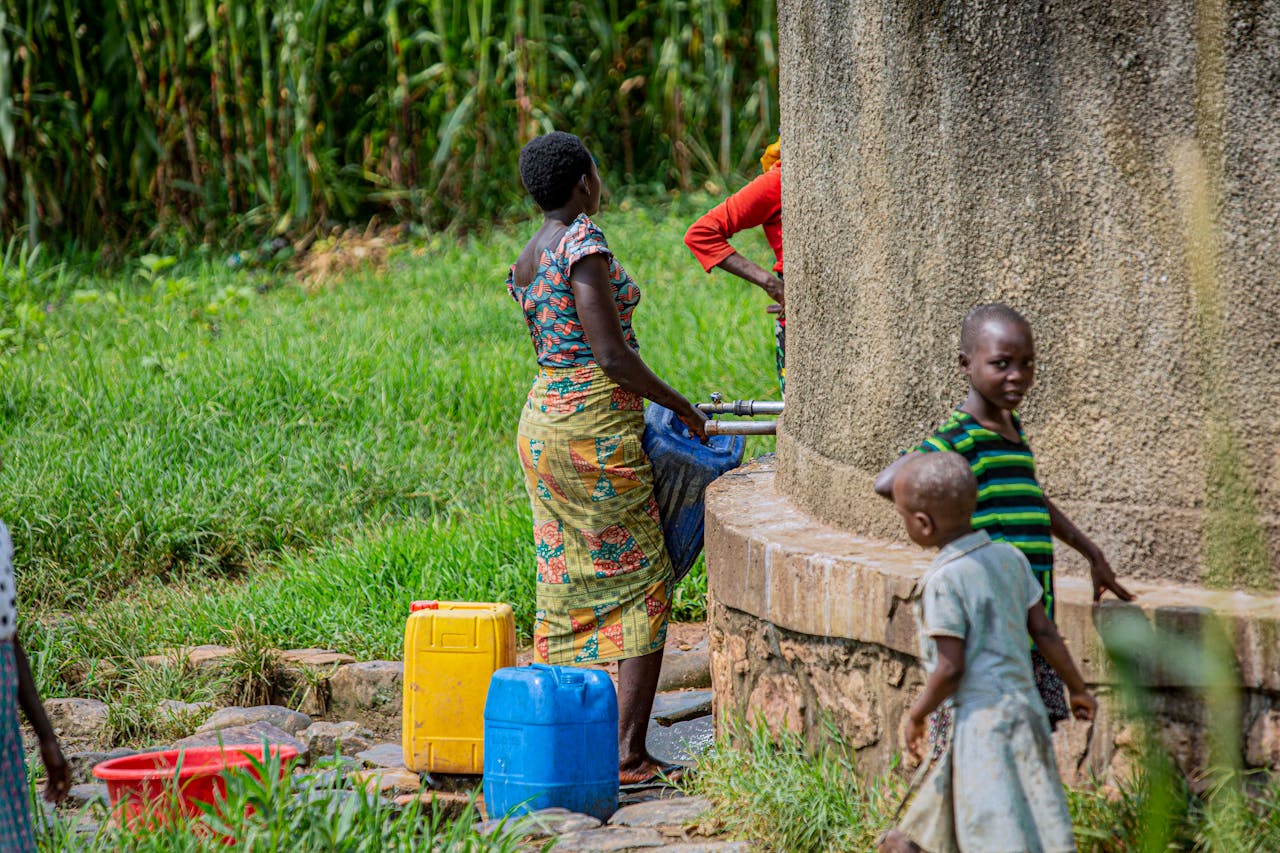
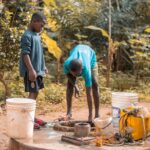
Every morning in Freetown, Sierra Leone, Amina fills her jerry cans from a communal tap, hoping the water is safe for her family. Like many residents, she worries about hidden risks in the water supply. Tap water in Sierra Leone, whether in busy cities or rural villages, often raises concerns due to contamination and unreliable infrastructure. This article examines whether tap water is safe to drink in Sierra Leone, offering practical solutions for residents and visitors to stay healthy. Organizations like Aqua Maya, dedicated to improving water access in West African communities, are working to enhance water safety, providing hope for a better future.
The State of Tap Water in Sierra Leone
Sierra Leone’s water supply faces significant challenges. In urban areas like Freetown, the Guma Valley Water Company manages piped water systems. However, aging infrastructure and issues, like illegal connections, have led to frequent contamination, including the presence of E. coli in some water sources.
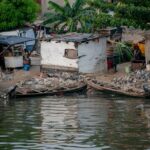
In rural regions, where a large portion of the population resides, access to tap water is limited. Many communities rely on hand-dug wells or surface water, which are susceptible to pollution from human waste, livestock, and flooding during the rainy season. Studies have indicated that a significant number of these water sources contain fecal bacteria, posing serious health risks.
The 2014–2016 Ebola outbreak further strained the country’s water systems, diverting resources from maintenance and leading to the non-functionality of several rural water points. While recovery efforts are ongoing, access to reliable tap water remains a pressing issue across Sierra Leone.
Health Risks of Unsafe Water in Sierra Leone
Drinking untreated tap water in Sierra Leone poses significant health risks, especially for individuals unaccustomed to local conditions. The Centers for Disease Control and Prevention (CDC) advises travelers to avoid consuming tap water due to the potential presence of harmful bacteria, viruses, and parasites.
Common waterborne diseases in the region include:
-
Diarrhea: Often caused by bacteria, like E. coli, or parasites, such as Giardia, leading to dehydration and other complications.
-
Cholera: Linked to Vibrio cholerae in contaminated water, with outbreaks frequently occurring during the rainy season.
-
Typhoid Fever: Spread through water contaminated with Salmonella Typhi, resulting in prolonged fever and gastrointestinal issues.
-
Hepatitis A: A viral liver infection transmitted via contaminated water or food, particularly affecting unvaccinated individuals.
Children are particularly vulnerable to these diseases. According to UNICEF, limited access to safe water, sanitation, and hygiene services adversely affects the health and development of children in Sierra Leone.
Visitors face heightened risks due to a lack of immunity. The CDC recommends that travelers avoid drinking tap water, using it for brushing teeth, or consuming ice made from it.
To mitigate these risks, it is advisable to:
-
Consume only bottled or properly treated water.
-
Avoid raw foods washed with tap water.
-
Use bottled water for brushing teeth.
-
Ensure ice is made from safe water sources.
By adhering to these precautions, both residents and visitors can reduce the likelihood of waterborne illnesses.
Is Tap Water Safe to Drink?
Tap water in Sierra Leone is generally unsafe to drink without proper treatment. The CDC advises travelers to avoid consuming tap water in Sierra Leone due to the risk of waterborne diseases. This caution applies to both urban areas, like Freetown, and rural regions, where water sources may be contaminated due to inadequate infrastructure and sanitation.
While bottled and sachet water are available, their safety is not guaranteed. A study by the Water Institute at the University of North Carolina found that the packaged water industry in Sierra Leone lacks proper regulation, with many producers not consistently testing their products for quality. This raises concerns about the reliability of bottled water as a safe alternative, which also makes personal treatment methods essential.
In Sierra Leone, ensuring safe drinking water is crucial for both residents and visitors. Several methods can be employed to treat tap water effectively:
- Boiling: Bringing water to a rolling boil for at least one minute effectively kills bacteria, viruses, and parasites. This method is reliable, but requires a heat source, which may be limited in rural areas or during power outages.
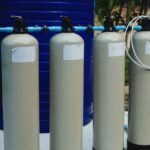
- Filtration: Portable filters with pore sizes around 0.2–0.3 microns can remove most bacteria and protozoa. However, they may not eliminate all viruses, so combining filtration with chemical disinfection is advisable.
- Chemical Treatment: Using chlorine-based tablets or drops can disinfect water by killing harmful microorganisms. It’s important to follow the manufacturer’s instructions regarding dosage and contact time to ensure effectiveness.
- UV Purification: Ultraviolet (UV) light devices can neutralize bacteria, viruses, and protozoa in water. These devices require batteries or electricity and are most effective in clear water.
- Solar Disinfection (SODIS): This method involves filling clear plastic bottles with water and exposing them to direct sunlight for at least six hours. SODIS is a low-cost, chemical-free method that has been shown to reduce diarrheal diseases in various settings.
Each of these methods has its advantages and limitations. In many cases, combining methods (e.g., filtration followed by chemical disinfection) can provide greater assurance of water safety.
Practical Water Safety Tips for Visitors and Locals
- Avoid Tap Water: Don’t drink it, use it for ice, or brush your teeth with it. Even small amounts may carry germs that cause illness.
- Choose Bottled Water Wisely: In cities like Freetown or Bo, buy sealed bottles from known brands. You can also refill reusable bottles with treated water to cut down on plastic waste.
- Always Treat Water: Whether you’re drinking, cooking, or washing, make sure the water is safe. Boiling, filtering, or using the SODIS method (sunlight disinfection) can help.
- Watch What You Eat: Skip raw foods, like salads, that may have been rinsed in unsafe water. Stick with peeled fruits or hot meals to stay safe.
- Stay Hydrated: The heat in Sierra Leone can make you lose water quickly. Try to drink enough treated water every day to avoid dehydration.
The Long-Term Impact of Unsafe Tap Water
Dirty water doesn’t just cause short-term sickness. Over time, drinking unsafe tap water can lead to serious problems. For children, repeated bouts of diarrhea can stop their bodies from absorbing nutrients, which slows their growth and development. Some tap water may also contain harmful chemicals from farms or old pipes, which can affect health in the long run.
These health problems put pressure on local clinics and hospitals, costing time and money. When people are often sick, it also affects their ability to work or go to school. By helping communities get clean water, groups like Aqua Maya are working to improve health and reduce these burdens, one village at a time.
Ongoing Efforts to Improve Water Safety
Sierra Leone is actively working to enhance access to safe drinking water.
- Urban Improvements: In Freetown, the Guma Valley Water Company is upgrading its infrastructure to better serve the growing population. Originally designed for 400,000 people, the system now aims to meet the needs of over 1.7 million residents. Efforts include repairing old pipes and developing new water sources to ensure a more reliable supply.
- Rural Access: In rural areas, organizations like World Hope International have drilled over 1,000 borehole wells, providing clean water to communities that previously relied on unsafe sources.
- Community Projects: The Water Project has implemented borehole wells in communities such as Lokoya and Kirma, ensuring residents have access to safe and reliable water.
Despite these advancements, challenges persist. Climate change is affecting water availability, with shifting rainfall patterns leading to reduced stream flows and water shortages, especially during the dry season. Additionally, plastic waste from bottled water continues to pollute rivers and streams, highlighting the need for sustainable solutions.
NGOs like Aqua Maya are contributing by developing sustainable water projects and collaborating with local communities to ensure long-term success.
Hope for Safe Tap Water
Sierra Leone is working toward better access to clean and safe water. With support from government efforts and partners, new solutions, like solar-powered boreholes, and community-led training are improving water systems across the country. Aqua Maya is part of this progress, developing water projects that support long-term safety and local involvement.
While full access to safe tap water may take time, these efforts offer real hope. In the meantime, treating tap water remains important to protect health and prevent disease.
Conclusion
Tap water in Sierra Leone is not safe to drink without treatment due to contamination risks in urban and rural areas. Boiling, filtration, chemical treatment, UV purification, and SODIS are effective methods to ensure safety. Aqua Maya’s community water projects are helping improve access, offering hope for safer water by 2025. Residents and visitors can stay healthy by treating water, choosing safe bottled options, and supporting local efforts. With these steps, Sierra Leone’s water challenges can be navigated safely.
FAQs
Can I drink tap water in Freetown?
No, treat it first. Urban taps often contain E. coli due to pipe leaks.
What diseases come from Sierra Leone’s tap water?
Diarrhea, cholera, typhoid, and hepatitis A are risks from bacteria and viruses.
What’s the easiest way to treat tap water?
Chlorine tablets are simple and portable; boiling or SODIS are effective for households.
Are bottled water brands in Sierra Leone safe?
Trusted brands like Rokel are safer, but check seals, as some may be refilled unsafely.
How can I find safer water in rural Sierra Leone?
Ask about NGO-supported boreholes, like those from Aqua Maya, which are often cleaner.
Sources
3. https://www.mountsinai.org/health-library/nutrition/traveler-s-diarrhea-diet
4. https://pmc.ncbi.nlm.nih.gov/articles/PMC8430867/
5. https://iwa-network.org/climate-smart-resilience-sierra-leones-strategies-for-ensuring-supply/