The Water Struggle in Cabo Verde’s Drier Islands

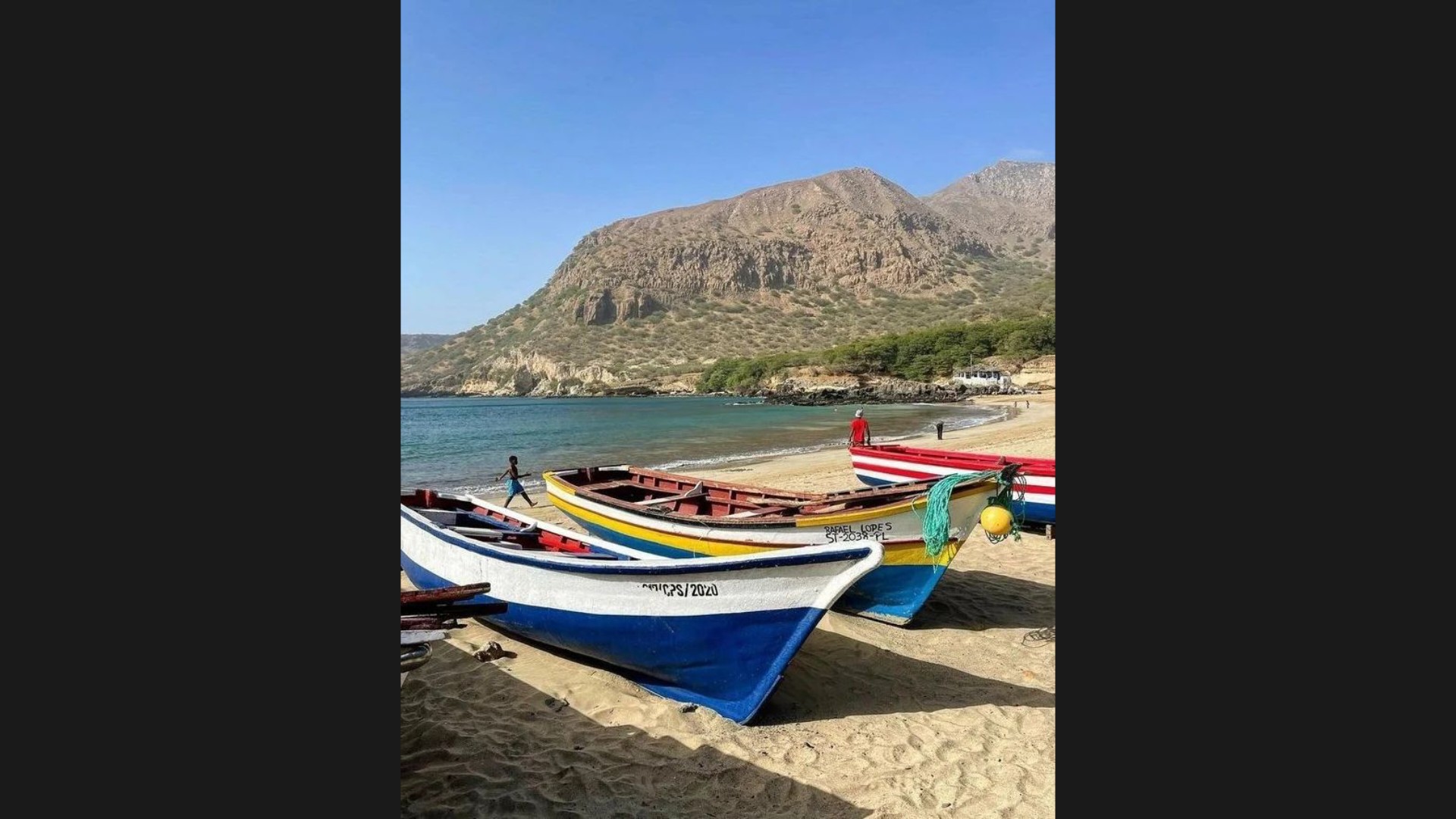
Cabo Verde, a beautiful island nation off the coast of West Africa, is famous for its sunny weather, golden beaches, and vibrant culture. But beneath this inviting surface lies a serious problem: the struggle to find enough clean water, especially on its drier islands. This challenge affects everyday life for many people and threatens the country’s future. Understanding why this water struggle exists and what is being done to solve it is important for anyone interested in the well-being of island communities and the environment.
Why is Water Scarce in Cabo Verde?
Cabo Verde is made up of several islands, most of which are dry and receive very little rain. The country gets less than ten inches of rain a year, which is very low compared to many other places in the world. Unlike many countries, Cabo Verde has no large rivers or lakes to provide fresh water. The islands are volcanic and mountainous, which means water quickly runs off or evaporates under the hot sun. This natural lack of water has always made life difficult for the people living there.
Climate change is making the problem worse. Rainfall has become even less predictable, and droughts are happening more often. These dry spells mean that the little water the islands do get is not enough to meet the needs of the people, farms, and growing towns.
How Do People Get Water Now?
Because natural freshwater is so scarce, Cabo Verde relies heavily on desalination – a process that removes salt from seawater to make it drinkable. Desalination plants are now the main source of water for many of the islands’ towns and tourist areas. For example, the islands of Sal and São Vicente have large desalination plants that provide water to over 100,000 people, including many tourists.
However, desalination is very expensive and uses a lot of electricity. Cabo Verde’s electricity mostly comes from imported fossil fuels, which are costly and not always reliable. This creates a difficult cycle: the country needs electricity to make water, but electricity is limited and expensive, especially during the busy tourist seasons when demand is highest.
The Impact of Tourism and Urban Growth
Tourism is a big part of Cabo Verde’s economy, but it also increases water demand. Tourists use much more water than local residents because of hotels, swimming pools, golf courses, and daily laundry services. Meanwhile, many local families face water rationing or have to buy water delivered by tanker trucks at high prices.
At the same time, urban areas are growing quickly. More people moving to cities means more water and electricity are needed, but the infrastructure – pipes, pumps, and power lines – is old and often leaks or breaks down. It is estimated that about 40% of treated water is lost before it even reaches consumers because of leaks. This wastes precious water and makes the supply problem worse.
The Interlinked Water and Electricity Crisis Driven by Tourism and Urban Growth
Cabo Verde’s water struggle cannot be understood without looking at its energy challenges, as the two are tightly connected. The country depends heavily on desalination to produce fresh water from seawater, but desalination plants consume large amounts of electricity. Cabo Verde’s electricity system is fragile and relies mostly on imported fossil fuels, which are expensive and sometimes unreliable.
The rapid growth of tourism and urban expansion has sharply increased demand for both water and electricity. Luxury hotels, resorts, and tourist facilities require constant power for air conditioning, lighting, and water desalination. During peak tourist seasons, electricity shortages and blackouts become common, making it harder to produce enough water. This creates a vicious cycle: water production depends on electricity, but electricity demand rises because of water needs.
Meanwhile, many local residents face water rationing and high energy costs, while tourist areas continue to consume large amounts of resources. This imbalance raises concerns about fair access to water and energy.
To break this cycle, Cabo Verde is exploring renewable energy sources like solar and wind power to reduce dependence on fossil fuels and make desalination more sustainable. Hotels are also encouraged to adopt water-saving technologies such as low-flow showers and greywater recycling. Fixing old infrastructure to reduce water loss and improving energy efficiency are key steps.
Balancing tourism growth with sustainable resource management is critical. Without it, the water and electricity crises threaten both the environment and the livelihoods of Cabo Verde’s people.
Agriculture and Water Challenges
Farming in Cabo Verde is also affected by water scarcity. The country has only about 500 cubic meters of freshwater per person each year, which is very low compared to places like Switzerland, which has about eight times more. Because of this shortage, agriculture produces less than 15% of the food the population needs, so the country depends heavily on food imports.
To help farmers, some projects are introducing better water management techniques like drip irrigation, which uses water slowly and directly on plants to reduce waste. There are also efforts to recycle wastewater and use solar energy to power water systems, which can help save water and energy.
Community-Based Water Management and Climate Adaptation Efforts
In Cabo Verde’s agricultural communities, especially on Santiago Island, water scarcity is closely linked to climate change impacts such as droughts and irregular rainfall. Local farmers in areas like Longueira and Covoada have faced unreliable water access and soil erosion caused by unsustainable farming practices that used excessive irrigation water. To address this, projects supported by the Global Environment Facility (GEF) have introduced micro-irrigation systems – small-scale drip irrigation that uses water efficiently on farms. These systems have helped restore about 0.44 hectares of degraded land, conserve water, and reduce stress on community wells and springs.
These efforts go beyond technology; they include capacity building and awareness workshops that teach communities about climate change impacts and sustainable water use. By planting drought-tolerant crops such as melons and garlic and using organic fertilizers, farmers have improved soil quality and crop resilience. This integrated approach has increased food and water security while generating income for local families. Such community-driven water management is essential for adapting to climate change and preserving fragile ecosystems in Cabo Verde’s drier islands.
National Climate Resilience Programs and Innovative Water Solutions
Recognizing the urgent need to adapt to climate change, Cabo Verde has launched national programs to build resilience in its water sector. Supported by the United Nations Development Programme (UNDP) and partners, these initiatives focus on improving water resource management through a combination of nature-based solutions and modern technologies.
Pilot projects in several municipalities demonstrate effective climate adaptation measures such as water recycling, enhanced infiltration of rainwater, terracing agricultural land to control floods, and drip irrigation to increase water use efficiency. On Santo Antão Island, reforestation and soil conservation efforts help restore watersheds, improving groundwater recharge and reducing erosion.
These programs also emphasize strengthening local and national capacity by sharing knowledge, improving climate information systems, and fostering collaboration among communities, governments, and NGOs. By combining traditional water management with innovative practices, Cabo Verde aims to reduce risks from droughts and floods and secure water access for agriculture and human use across its vulnerable islands.
The Role of New Projects and Organizations
Several organizations and projects are working to improve water access in Cabo Verde. For example, Aqua Maya, a U.S.-based NGO, is known for providing sustainable water solutions in West Africa. Ongoing works in dry regions like Mauritania, could serve as a model for similar work in Cabo Verde. Aqua Maya focuses on solar-powered wells and rainwater harvesting systems, which are designed to last and be maintained by local communities. Such approaches could help Cabo Verde reduce its reliance on expensive desalination and imported fuels.
Additionally, companies like ACCIONA Agua have built and expanded desalination plants on the islands, increasing water supply capacity for residents and tourists. These plants are crucial but still face challenges like water loss during pumping and high costs for consumers.
What Can Be Done to Solve the Water Crisis?
Solving Cabo Verde’s water struggle requires a mix of solutions:
• Improving infrastructure: Fixing leaks and upgrading pipes can save a large amount of water before it even reaches people.
• Expanding renewable energy: Using solar and wind power to run desalination plants can reduce costs and make water production more sustainable.
• Water-saving farming techniques: Encouraging drip irrigation and recycling wastewater can help farmers grow more food with less water.
• Community involvement: Educating and involving local people in water management ensures that solutions are maintained and effective over time.
• Balancing tourism and local needs: Managing water use in hotels and tourist areas more carefully can help ensure that locals have enough water.
Conclusion
The water struggle in Cabo Verde’s drier islands is a complex challenge shaped by nature, climate change, and human activity. With very little rainfall and no large freshwater sources, the country depends heavily on costly and energy-intensive desalination. Rapid urban growth and tourism increase demand, while old infrastructure wastes much of the water produced.
Despite these difficulties, Cabo Verde is making progress through new technologies, infrastructure projects, and sustainable farming practices. Organizations like Aqua Maya demonstrate how community-based, renewable solutions can help bring clean water to dry regions. The future depends on continued investment, smart management, and cooperation between government, businesses, and local people to ensure that water is available for all who call Cabo Verde home.
Sources
1. https://pureaqua.com/reverse-osmosis-water-treatment-in-cape-verde/
2. https://reportersonline.nl/cape-verdes-water-and-electricity-crisis-the-hidden-costs-of-development/
3. https://www.elibrary.imf.org/view/journals/019/2024/040/article-A001-en.xml
4. https://www.wathi.org/cape-verde-the-ocean-as-a-solution-for-water-crisis-atlantico-august-2019/
6. https://www.greenpolicyplatform.org/sites/default/files/downloads/best-practices/Cabo%20verde.pdf
7. https://www.elementalwatermakers.com/desalination-cape-verde/
8. https://www.undp.org/acceleratorlabs/blog/water-planter
10. https://www.fao.org/newsroom/story/drought-within-an-ocean/en