Top 6 Challenges to Safe Water in Rural Gambia

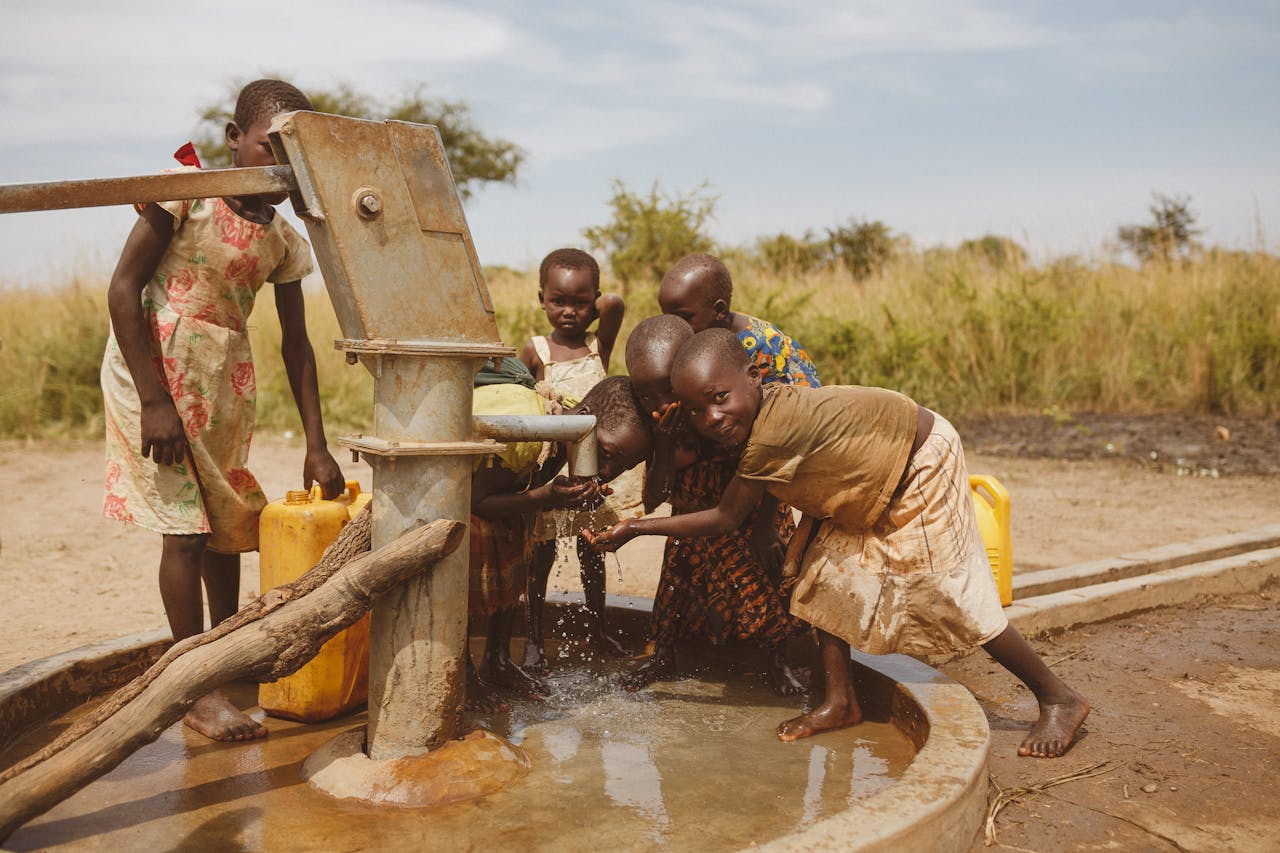
Access to safe water is a basic human need, but in rural Gambia, many people still face serious challenges getting clean and safe water. This affects their health, daily life, and future. Understanding these challenges helps us know what needs to be done to improve water access. Here are in no particular order, the top six challenges to safe water in rural Gambia.
1a. Contaminated Water Sources
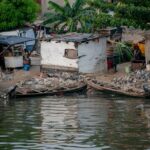
Many rural Gambian households rely on boreholes, wells, or piped water from NAWEC (the national water company). Unfortunately, these sources often carry harmful bacteria like E. coli, which causes diseases such as diarrhea. A lot of rural households have E. coli contamination in their drinking water, much higher than in urban areas. This contamination mainly comes from unprotected wells and poor sanitation around water sources.
Besides bacteria, some water sources have chemical contamination like nitrates, which are invisible and tasteless but harmful if consumed over time. NAWEC lacks its own water testing facilities, making it harder to monitor and manage these risks.
b. Poor Sanitation and Hygiene Practices
In rural Gambia, poor sanitation and hygiene are major problems linked to unsafe water. Only about 31% of households have a handwashing facility, and 73% of household drinking water is contaminated with E. coli, a harmful bacteria that causes diarrhea and other illnesses. Even when water sources are improved, contamination often happens during water storage and handling at home. Unsafe sanitation practices, such as open defecation (though reduced to about 1%), and lack of handwashing with soap (only 30.9% practice it) contribute to the spread of waterborne diseases. Improving sanitation and hygiene is as important as improving water sources to protect health.
2a. Water Insecurity and Seasonal Variability
Water availability in rural Gambia is not steady throughout the year. It depends heavily on rainfall, which is becoming more unpredictable due to climate change. During dry seasons or droughts, many families struggle to find enough water. This leads them to use unsafe water or reduce hygiene practices, which increases health risks, especially for children.
Extreme weather events like heavy rains can also damage water infrastructure or contaminate water sources, worsening the problem. Rural households often store water for long periods, but this can cause the water to become unsafe if not properly managed.
b. Long Distances and Burdens in Collecting Water
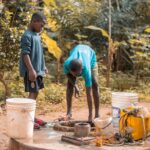
Many rural Gambians must travel long distances to get safe water. About 66.8% of rural residents travel up to 30 minutes, and 12.9% travel more than 30 minutes to reach a clean water source. Women and girls bear most of this burden, with over 90% responsible for water collection in rural areas. Carrying heavy water containers over long distances is physically demanding and reduces time for education or income-generating activities. This challenge also increases the risk of using unsafe water sources closer to home when the journey is too difficult.
c. Gender and Water Access: The Burden on Women and Girls
In rural Gambia, women and girls are primarily responsible for collecting water, often walking long distances daily. This task takes up significant time and energy, limiting their opportunities for education, work, and rest. The physical burden of carrying heavy water containers can also affect their health. Water scarcity and poor access increase this burden, especially during dry seasons or droughts. Empowering women through improved water infrastructure and involving them in water management can help reduce these challenges and improve community wellbeing.
d. Impact of Climate Change on Water Availability
Climate change is causing more erratic rainfall and extreme weather events in Gambia, affecting water supply reliability. Rural communities face seasonal water insecurity, with dry spells reducing water availability and heavy rains sometimes contaminating water sources or damaging infrastructure. These changes force households to adopt risky coping strategies, such as reducing hygiene or changing diets, which can harm health, especially for children. Addressing climate impacts requires resilient water systems and community awareness.
e. Impact of Climate Change on Agriculture and Water Resources
Climate change is a major threat to water availability and agriculture in rural Gambia. Rising temperatures, reduced and erratic rainfall, and increased evaporation have led to lower river flows and groundwater recharge. This causes saltwater intrusion into freshwater sources, especially near the coast, making water salty and unsafe for drinking and farming. The changes also reduce crop productivity and extend the “hungry season” (July to September), when food from the previous harvest runs low. These impacts force people to migrate to cities and increase poverty in rural areas. Addressing water challenges must include climate adaptation strategies that protect water resources and support farmers.
3. Poor Water Infrastructure and Maintenance
The water infrastructure in rural Gambia is often old, poorly maintained, or insufficient. Many communities rely on hand-dug wells or boreholes that can break down without proper repair. The common “community management” model, where local people maintain water points, often fails due to lack of technical skills, funds, or support.
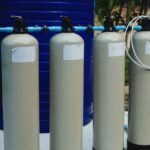
Innovations like smart water taps “e-Taps” have been tested but are not yet widespread. These could help improve water distribution and maintenance by providing real-time data on water use and pump functionality.
Efforts to Improve Rural Water Supply
Projects like the Rural Water Supply and Sanitation Project (RWSSP) aim to increase safe water access in rural Gambia by installing solar-powered multi-village water systems, upgrading old infrastructure, and promoting sanitation and hygiene education. These efforts target increasing water access from about 70% to near universal coverage and improving sanitation from 40% to 90% by 2020. However, challenges remain in funding, maintenance, and reaching remote communities.
4. Environmental Challenges: Deforestation and Desertification
Beyond water infrastructure, environmental problems like deforestation and desertification worsen water scarcity in rural Gambia. Trees help protect soil and retain water, but large-scale tree loss leads to soil erosion and reduces groundwater recharge. This makes water sources less reliable and increases the risk of drought. Human activities and climate change contribute to these issues, threatening both water availability and agricultural productivity. Sustainable land management and reforestation efforts are essential to protect water resources and support rural livelihoods.
5. Limited Institutional Capacity, Resources, and Financial Constraints
One of the biggest challenges to safe water access in rural Gambia is the limited capacity and resources of the institutions responsible for water supply. Agencies like the National Water and Electricity Company (NAWEC) and the Department of Water Resources face shortages in funding, technical staff, and equipment. For example, NAWEC does not have its own water testing laboratories and depends on a single national lab to monitor water quality. This limits their ability to regularly test and ensure safe water for all communities.
Beyond institutional weaknesses, financial constraints at the community and household levels also create major barriers. Many rural families live in poverty and cannot afford to pay for water connections, monthly maintenance fees, or water treatment products such as chlorine tablets. This means they often rely on unsafe water sources or delay repairing broken pumps and wells.
Local water management committees, which are supposed to maintain water points, depend on monthly contributions from community members. However, many communities struggle to raise these funds consistently. Without enough money, water points break down and remain unrepaired for long periods, leaving people without safe water.
The government invests millions annually in rural water projects, but the demand far exceeds available funds. External donors and NGOs provide support, but sustainability remains a challenge when communities cannot afford ongoing costs. This combination of limited institutional capacity and financial barriers slows progress toward reliable, safe water access in rural areas.
Addressing these challenges requires not only building infrastructure but also creating affordable, community-driven financing models and strengthening institutional support for maintenance and water quality monitoring. Without these, many rural Gambians will continue to face unreliable and unsafe water.
6. Social and Cultural Factors Affecting Water Use
In rural Gambia, social and cultural beliefs influence how water is used and prioritized. Sometimes, water is used more for cultural or religious activities than for hygiene or drinking, which can increase health risks. Households may also share water or store it in ways that reduce safety, despite efforts to protect vulnerable members like children.
Community-driven and culturally sensitive interventions are needed to change behaviors and improve water safety practices without disrupting traditions.
The Role of Community and Cultural Practices
Water use and safety in rural Gambia are influenced by social and cultural factors. Some water uses are prioritized for religious or cultural reasons rather than health, affecting how water is allocated and stored. Communal water storage and sharing can increase contamination risks. Community-driven and culturally sensitive approaches are essential to promote safe water behaviors without conflicting with traditions. Engaging local leaders and educating households can help improve water safety practices sustainably.
These sections deepen the understanding of the multifaceted challenges to safe water in rural Gambia, highlighting sanitation, social burdens, climate impacts, ongoing projects, and cultural dimensions. Integrating these points will make the article more comprehensive and informative.
Conclusion
Rural Gambia faces many challenges in providing safe water to its people. Contaminated water, seasonal shortages, poor infrastructure, weak institutions, and social factors all play a part. Non-profit organizations like Aqua Maya are working to bring clean water access to West Africa – throwing their weight behind sustainable water projects. This will help reduce child deaths from waterborne diseases in The Gambia and other West African countries.
Addressing these challenges requires a combination of better infrastructure, stronger institutions, innovative technology, and community engagement to ensure that everyone in rural Gambia can enjoy safe, reliable water for a healthier life.
If you want to help or learn more, supporting nonprofits like Aqua Maya can make a real difference in improving water access in rural Gambia.
Sources
1. https://ccij.io/article/water-paradox-in-the-gambia/
2. https://www.unicef.org/gambia/water-sanitation-and-hygiene
3. https://borgenproject.org/clean-water-and-sanitation-in-the-gambia/
5. https://llahub.gca.org/stories/ff9ff1c0-04d6-44b6-8db1-e041a2ccf20f
6. https://foroyaa.net/water-insecurity-potentially-affecting-health-outcomes-in-rural-gambia/
7. https://www.thegef.org/sites/default/files/web-documents/10199_LDCF_Gambia_PIF.pdf