Top Community-Led Water Projects in Sierra Leone Making a Difference

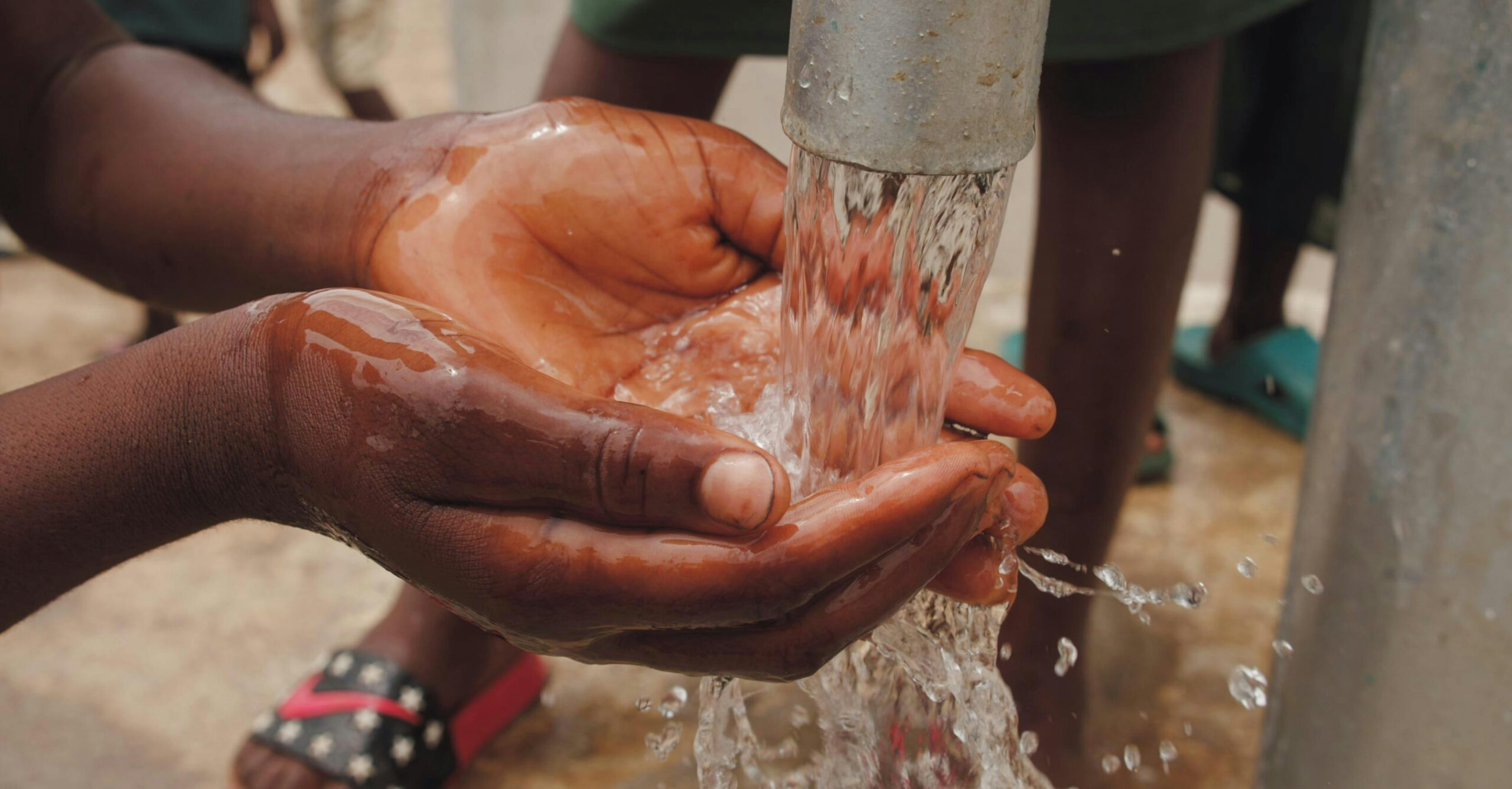
In Kambia, a rural village in Sierra Leone, women once spent hours fetching water from a contaminated stream, but now a community-managed borehole provides clean water steps away. This transformation, driven by local initiative, reflects a growing movement across Sierra Leone where communities are leading efforts to secure safe water. These projects are improving health, education, and livelihoods. Organizations like Aqua Maya, dedicated to supporting water access in West African communities, are helping amplify these efforts. This article explores the top community-led water projects in Sierra Leone, showcasing their impact and potential for a brighter future.
The Water Crisis in Sierra Leone
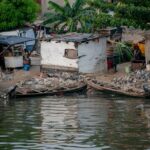
Sierra Leone has a serious water problem. Many people still rely on unsafe water from rivers, streams, and old taps. In cities like Freetown, broken and aging pipes often lead to dirty water. In rural areas, where most people live, water sources are easily polluted by animals, human waste, and floods during the rainy season.
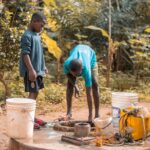
Unsafe water causes many health problems. Diarrhea, cholera, typhoid, and hepatitis A are common, especially among children. Many children die from these water-related illnesses before their fifth birthday. The problem also affects daily life – women and girls often spend hours fetching water, which keeps them out of school and limits work opportunities. Dirty water also hurts farming and fishing, which are key ways people earn a living.
Why Community-Led Projects Matter
Community-led water projects empower local residents to manage their water resources, ensuring sustainability and relevance. Unlike top-down initiatives, these projects involve community members in planning, building, and maintaining systems, fostering a sense of ownership. This approach helps ensure that water points are placed where they’re most needed, reducing the time and effort required to fetch water.
Such projects are especially important in areas where government resources are limited. During the 2014-2016 Ebola outbreak, many water systems fell into disrepair due to neglect. Community initiatives, often supported by NGOs, have been instrumental in rebuilding and maintaining access to safe water.
When locals are directly involved, these projects not only address immediate water needs, but also build long-term resilience within communities.
Top Community-Led Water Projects in Sierra Leone
Borehole Management in Kambia
In Kambia District, the United Nations Development Programme (UNDP) constructed solar-powered water facilities at two border crossing points, enhancing water supply services for over 60,000 people. Additionally, UNDP engaged a local innovator to provide 50 low-tech water boreholes using locally built tools and in-built filtration systems from local materials in Karene and Kailahun districts.
Women’s Rainwater Harvesting in Pujehun
In Pujehun District, UNDP’s efforts included the construction of solar-powered water facilities, which are instrumental in improving access to clean water. While specific details on women’s cooperatives managing rainwater harvesting systems in Pujehun are limited, the involvement of local communities, including women, is a common practice in such initiatives.
Expansion of Water Access in Kenema
GOAL Sierra Leone, with support from Charity: Water, commissioned 123 new water points across Kenema and Moyamba districts. This initiative, part of a broader effort that has delivered 554 water points since 2018, aims to provide 100% district-wide access to safe drinking water, particularly benefiting rural communities, schools, and health units.
Well Rehabilitation in Makeni
In Makeni, The Water Project, in partnership with Mariatu’s Hope, rehabilitated a well in the bustling marketplace area. The project involved installing a new Afridev hand pump and conducting hygiene training for 118 community members. This effort has restored access to clean water for the local population, enhancing health and reducing the prevalence of waterborne illnesses.
Solar-Powered Water Systems in Makeni
Aptech Africa, funded by World Hope International, installed a solar-powered water pump system in Makeni District. The system, equipped with automatic safeguards, like dry-run protection, now provides a reliable water source for over 1,500 residents and a local hospital, reducing reliance on costly electric systems and enhancing community health services.
Borehole Installation in Baoma, Bo District
In Baoma village, Lugbu Chiefdom, Bo District, World Hope International drilled a new borehole, providing the first-ever access to safe drinking water for the community. The project included constructing a protective fence, installing a hand pump, chlorinating the water, and training a local water management committee. This initiative has significantly improved health outcomes and reduced the burden of water collection for the village’s residents.
The Power of Local Leadership in Water Projects
Local leadership plays a key role in the success and sustainability of water projects in Sierra Leone. Community-led initiatives often involve village chiefs, youth groups, and women who organize borehole management, hygiene training, and water point maintenance. A 2022 WaterAid report found that water points managed by locals are more reliable than those run externally, thanks to stronger ownership and quicker local response when repairs are needed.
For example, in the Rotain Community of Sierra Leone, a well rehabilitation project supported by The Water Project included training for locals to maintain the water point and improve hygiene practices. A young resident named Fatmata K. shared how access to safe water changed her daily life, reducing illness and helping her attend school more consistently.
17-year-old Ibrahim in Santiguiya Neneh shares the same sentiments as Fatmata. With the rehabilitated well in the community, collecting water is now much simpler and faster.
These examples show that when communities are equipped with the right tools and training, they can maintain and protect their water sources effectively.
Overcoming Challenges in Community Water Initiatives
Community-led water projects in Sierra Leone face several challenges that require innovative solutions:
- Funding: Rural water projects often rely heavily on donor funding. A 2023 World Bank report indicates that 70% of the water, sanitation, and hygiene (WASH) sector funding comes from donor agencies, highlighting the need for innovative financing models, such as performance-based financing, to ensure sustainability.
- Maintenance: The sustainability of water infrastructure depends on proper maintenance. Training local community members in borehole maintenance and repair is crucial. Initiatives that equip locals with these skills have been implemented to enhance the longevity of water systems.
- Climate Change: Sierra Leone is among 10% of countries most vulnerable to climate change. Environmental challenges, such as deforestation and bush burning, exacerbate climate-related risks, impacting water availability.
Despite these challenges, communities continue to adapt, with support from NGOs and international organizations providing technical and financial assistance to sustain progress.
Impact of Community-Led Water Projects in Sierra Leone
Community-led water initiatives in Sierra Leone have demonstrated significant benefits across various sectors:
Health: Improved water, sanitation, and hygiene (WASH) services are linked to reductions in diarrheal diseases. A World Bank report highlights that enhancements in WASH can decrease the incidence of such illnesses, contributing to better health outcomes.
Education: Access to clean water reduces the time children, especially girls, spend fetching water, allowing for increased school attendance. UNICEF reports that improved WASH facilities in schools contribute to better educational outcomes by minimizing absenteeism due to waterborne diseases.
Economy: Reliable water sources support agricultural activities and small businesses. A study notes that access to clean water is essential for food safety and agricultural productivity, which are vital for economic development.
Environment: Community-led projects often incorporate sustainable practices that reduce environmental impact. For instance, the implementation of rainwater harvesting and solar-powered systems minimizes reliance on bottled water, thereby reducing plastic waste. The Environment Protection Agency of Sierra Leone has been actively involved in initiatives aimed at managing plastic waste and promoting environmental sustainability.
These community-driven efforts not only address immediate water needs, but also contribute to broader health, educational, economic, and environmental improvements in Sierra Leone.
How to Support Community-Led Projects
- Residents: Join water committees or contribute small fees for maintenance. Attend NGO workshops to learn repair skills.
- Visitors: Use reusable bottles and support local water initiatives by donating or volunteering with NGOs like Aqua Maya.
- Advocates: Raise awareness by sharing community success stories online. Spotlighting projects, like Pujehun’s women-led rainwater harvesting initiative, can draw attention and resources to similar efforts.
- Policymakers: Fund training programs and climate-resilient systems to scale community efforts.
Government and NGO Support
The government, through the 2021 Resilient Urban Sierra Leone Project, is working to improve water and sanitation infrastructure in Freetown and other cities, aiming to reach 1.7 million people by 2026, according to the World Bank. In rural areas, the Ministry of Water Resources has installed 45 industrial boreholes with solar-powered pumps in underserved communities around Freetown. Meanwhile, NGOs, like WaterAid and UNICEF, continue to strengthen WASH services through hygiene education, clean water systems, and community training, particularly in schools and healthcare centers. Aqua Maya’s upcoming projects align with these broader efforts to support sustainable, community-led water access across Sierra Leone.
Hope for the Future
Sierra Leone is taking steps toward improving access to safe and affordable drinking water. The United Nations Office for Sustainable Development outlines the country’s commitment to achieving Sustainable Development Goal (SDG) 6.1, which aims for universal and equitable access to safe and affordable drinking water for all by 2030.
In support of this goal, the Sierra Leone Coastal Resilience Project, launched by Save the Children and partners, aims to directly benefit 260,000 people and indirectly impact an additional one million individuals. This community-led initiative focuses on enhancing food and water security, supporting education, and promoting sustainable livelihoods, thereby contributing to the broader vision of healthier and more equitable communities.
Conclusion
Sierra Leone’s community-led water projects, from Kambia’s boreholes to Pujehun’s rainwater systems, are making a difference, improving health, education, and livelihoods. Aqua Maya’s support for these initiatives is helping communities secure clean water. By empowering locals, overcoming challenges, and scaling efforts, Sierra Leone is building a sustainable water future. Residents, visitors, and advocates can contribute by supporting these projects, ensuring safe water for all.
Sources
1. https://washmatters.wateraid.org/publications/lessons-learned-supporting-self-supply-water-systems
2. https://sierraleone.un.org/sites/default/files/2022-04/7_0.pdf
3. https://forumnews-sl.com/goal-sl-commissions-123-new-water-points-in-moyamba-and-kenema/
4. https://thewaterproject.org/community/projects/sierra-leone/makeni-marketplace-well-repair/
5. https://aptechafrica.com/solar-water-pump-installation-in-makeni-district-sierra-leone/
6. https://worldhope.org/the-best-water-and-safest-water-ever/
7. https://thewaterproject.org/community/projects/sierra-leone/well-rehabilitation-wash-project-20420/
8. https://unosd.un.org/sites/unosd.un.org/files/sierra_leone.pdf