Understanding Water Softeners: Do You Need One for Your Home?

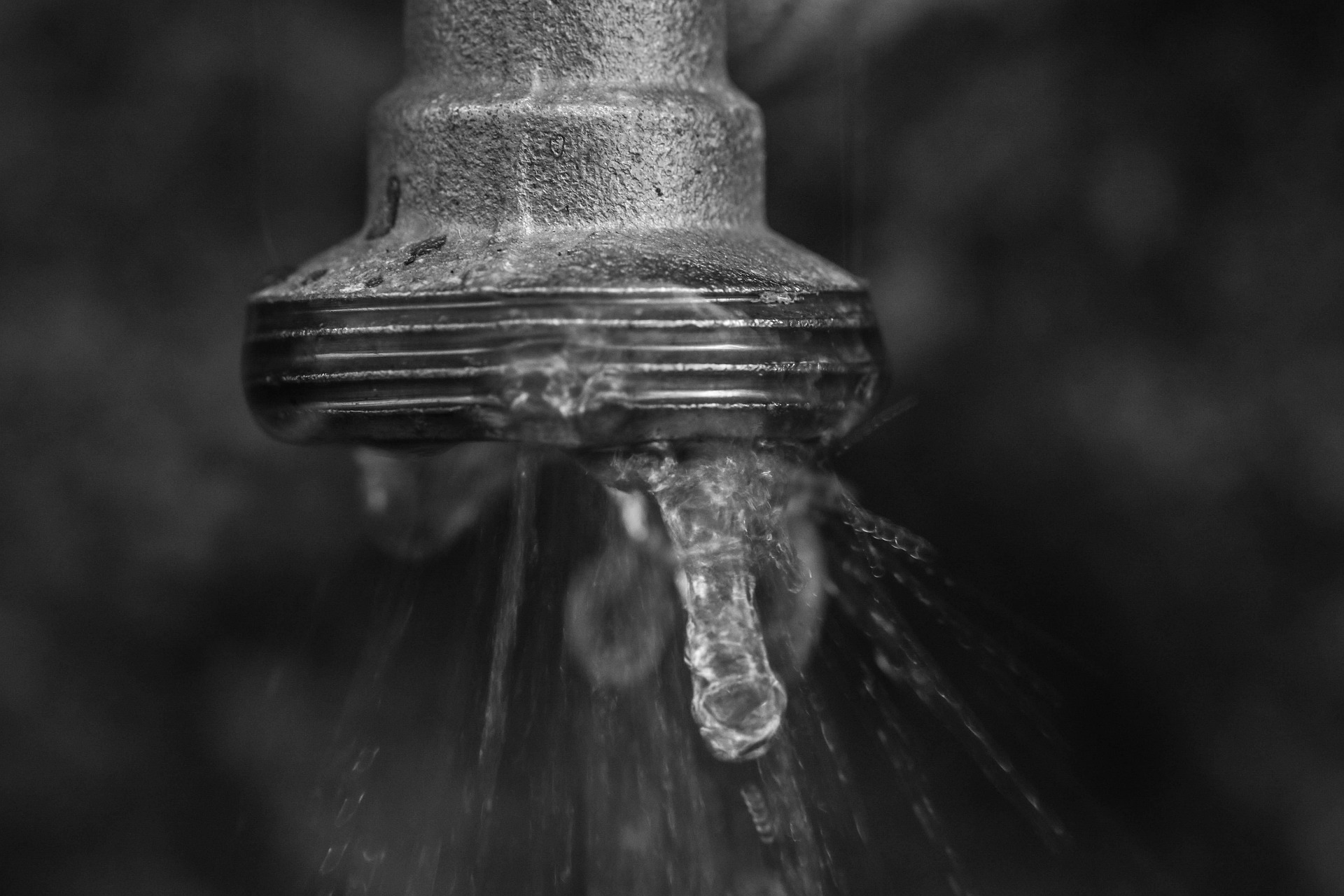
Most people expect water from the tap to be clear and safe to use. However, naturally occurring minerals like calcium and magnesium in your water supply can create frustrating problems throughout your home. These minerals accumulate over time leaving behind telltale signs of what’s known as “hard water.”
You could do a truckload of laundry, but your clothes come out feeling rough and stiff. Your freshly washed glassware comes out covered in cloudy spots, no matter how carefully you rinse. After a relaxing shower, your hair feels dull and your skin tight and uncomfortable. Meanwhile, white mineral deposits slowly build up on faucets, showerheads, and inside your appliances, potentially shortening their lifespan.
If these scenarios sound familiar, the culprit likely isn’t your detergent, soap, or cleaning technique; it’s the mineral content in your water. Understanding whether your home could benefit from a water softener starts with recognizing these common signs and learning how these systems work.
A water softener is a device designed to remove these minerals, protecting your home and making water easier to use. This article explains what hard water is, how a water softener works, and how to decide if your home needs one.
What is Hard Water?
Hard water has high amounts of calcium and magnesium minerals. These minerals are natural and come from soil and rocks the water passes through. When hard water evaporates on surfaces, it leaves behind deposits called scale.
Scale causes stains on dishes, fixtures, and laundry. It also builds up inside appliances that use water, such as washing machines, dishwashers, and water heaters. This buildup reduces the machines’ efficiency, wastes energy, and can cause early breakage.
How Does Hard Water Affect Your Appliances?
Hard water can cause several problems for household appliances:
• Washing Machines: Minerals reduce soap effectiveness, making clothes stiff and colors fade. Scale buildup clogs parts, causing poor performance or breakdowns.
• Dishwashers: Hard water causes spots and stains on glasses and dishes. It also clogs spray arms and parts, reducing cleaning efficiency.
• Water Heaters: Scale forms on heating elements, making heaters work harder and use more energy. Over time, this can cause heater failure.
• Other Appliances: Coffee makers, humidifiers, and ice machines can clog or fail faster due to mineral buildup.
What is a Water Softener?
A water softener is a home device that removes hardness minerals from water. It uses a process called ion exchange. The system contains a tank filled with tiny resin beads. As hard water passes through, these beads trap calcium and magnesium and replace them with sodium or potassium ions.
This exchange removes the minerals that cause hardness, turning hard water into soft water. Periodically, the softener cleans the resin beads with a saltwater flush to prepare for more softening.
Different Types of Water Softeners
Not all water softeners work the same way. The most common are salt-based softeners, but there are also salt-free models and even magnetic devices.
Salt-based softeners use sodium or potassium to remove hardness minerals. These are the most effective for very hard water.
Salt-free softeners use filters or conditioners to stop scale from building up, but they do not remove minerals completely. These systems require less maintenance and are a choice for people who want less sodium in their water.
Magnetic or electronic softeners claim to change how minerals behave through magnets or electric fields. These have mixed reviews and may not produce strong results in all homes.
Each type has its strengths and weaknesses. Choosing the right one depends on your water hardness, health needs, and budget.
Benefits of Using a Water Softener
• Protects your pipes and appliances from buildup of minerals called scale.
• Improves cleaning by helping soap lather better and preventing spots on dishes.
• Saves energy by keeping water heaters running efficiently.
• Makes skin and hair feel smoother after washing.
• Reduces maintenance and cleaning of fixtures and appliances.
• Extends appliance lifespan, lowering repair or replacement costs.
Health Considerations of Softened Water
Using a water softener can offer direct health benefits, but there are some points to consider. Soft water may improve skin and hair by stopping hard minerals from drying them out. People often find their skin feels softer and less irritated, while hair is easier to manage and shinier. In places with very hard water, softening can also help reduce problems like eczema or dry scalp.
However, water softeners that use salt add small amounts of sodium to your water. For most people this amount is very low and safe, but those on low-sodium diets may want to ask their doctor before using a salt-based system. Some water softeners let you use potassium instead of sodium for people concerned about salt.
Softened water does not add any harmful chemicals, but it also does not remove pollutants like bacteria, lead, or pesticides. It is important to remember that a softener only targets minerals that make water hard. If your water has other contaminants, consider extra water treatment solutions as well.
Costs and Maintenance of Water Softeners
Buying and using a water softener costs money. The price depends on the type and size you choose. Salt-based softeners typically cost more to install and run than salt-free models. You should also budget for regular salt or potassium refills and occasional servicing.
Maintenance tasks include refilling the salt tank, cleaning the resin tank, and checking for leaks or problems. Some newer systems have smart features to remind you about maintenance or alert you to problems. A well-cared-for softener can last from 10 to 20 years.
Thinking about costs also includes possible savings. Soft water can lower energy bills since water heaters work better without scale. Appliances and plumbing are less likely to break, so you may spend less on repairs
How to Know if You Need a Water Softener
Signs you may have hard water and benefit from a softener include:
• Soap does not foam well.
• White spots or stains appear on dishes and faucets.
• Your hair or skin feels dry after showering.
• Clothes feel stiff or look faded after washing.
• You notice scale buildup on appliances or inside pipes.
• Water testing shows hardness above 120 mg/L calcium carbonate (or 7 grains per gallon).
Testing kits or professional water tests can confirm hardness levels.
How to Test Your Water for Hardness
Before deciding if you need a water softener, the first step is to test your water for hardness. You can buy home test kits online or at stores. These kits often use strips that change color when dipped in water. The instructions will tell you how to match the color to your water’s hardness level.
You can also ask your local water supplier for a quality report. In many places, they must give you this information. If you have a private well, it is especially important to test the water because mineral levels can change over time. Testing your water once a year is a good habit, and it gives you clear facts for making choices about water treatment.
|
Did You Know? While many people in the United States can improve their tap water with a water softener, millions of families around the world face much bigger challenges just getting clean, safe water for daily needs. Organizations like Aqua Maya step in to help people in these communities by developing clean water projects, providing education, and supporting long-term solutions. Supporting their mission means helping more people enjoy safe water; not just softer water at home, but life-changing access to clean water everywhere. |
Things to Consider Before Installing a Water Softener
• Water softeners add sodium to the water, which might be a concern for people on low-sodium diets. Potassium can be used instead but is more costly.
• Softening water does not remove other contaminants like bacteria, lead, or chemicals.
• The system requires regular salt refills and occasional maintenance.
• Initial cost and installation fees apply.
Alternatives to Water Softeners
If you do not want to install a water softener, there are other ways to manage hard water problems. One option is to use special cleaning products that help with mineral spots and buildup. You can also clean appliances regularly to remove scale before it becomes a problem.
Some people install point-of-use (POU) filters on faucets or showerheads to reduce minerals and other contaminants in the water where they will be used. Boiling water or letting it sit does not remove hardness, but using vinegar can help remove spots from dishes and surfaces.
If you only have mild hardness, these small changes may be enough. For very hard water, a full softener system is usually the most effective solution.
The Environmental Impact of Water Softeners
While water softeners make life easier at home, they can affect the environment. Most traditional softeners use salt, and the saltwater used to clean the system (called brine) is eventually released into the environment as wastewater. When too much salt enters lakes, rivers, and soil, it can make it harder for plants to grow and harm fish and other aquatic life.
High salt levels in water are difficult for cities to remove and can raise costs for treating water supplies. Some areas with sensitive environments now restrict or ban standard salt-based water softeners to help protect nature.
To reduce harm, as a home owner, you can choose systems that use less salt, switch to salt-free conditioners, or install new devices that trap and remove salt before it washes away. Taking simple steps like using the right softener size, reducing salt use, and following maintenance tips, can lessen your impact on local water and wildlife.
Conclusion
Hard water affects many homes and causes damage over time. A water softener can protect your plumbing and appliances, improve water quality for washing and bathing, and save you money on energy and repairs.
Before installing one, test your water and consider your household needs. A water softener may be a practical solution to common water problems in your home.
Sources
1. https://resourcecenter.kinetico.ca/water-home-health/appliance-damage-from-hard-water/
2. https://etrlabs.com/the-hidden-impacts-of-water-hardness-on-home-appliances-and-you/
3. https://reliancehomecomfort.com/learning-centre/hard-water-effects/
4. https://www.1tomplumber.com/hard-water-in-your-home/
5. https://www.healthline.com/health/hard-water-and-soft-water
6. https://www.health.state.mn.us/communities/environment/water/factsheet/softening.html
7. https://www.waterdropfilter.com/blogs/buyers-guides/the-health-benefits-of-water-softener-systems