What’s in the Water? Common Contaminants in Gambian Water


Every day, people in The Gambia depend on water for drinking, cooking, cleaning, and farming. But the water they use is not always safe. Many sources of water in The Gambia contain harmful substances called contaminants. These contaminants can make people sick or harm the environment. Understanding what is in the water helps us know how to protect ourselves and improve water quality.
This article explains the most common contaminants found in Gambian water, where they come from, and what is being done to make water safer. We will also mention how NGOs like Aqua Maya help provide access to clean water.
Why Water Quality Matters in The Gambia
The Gambia is a small country with many rivers, wells, and boreholes that supply water to its people. However, rapid population growth, urbanization, and climate change have put pressure on these water sources. Many people rely on piped water from the National Water and Electricity Company (NAWEC) or wells dug near their homes. Unfortunately, studies show that a large portion of this water is contaminated with harmful bacteria and chemicals.
For example, a 2019 survey found that about 73% of household water samples contained E. coli bacteria, which come from fecal matter and can cause diarrhea and other illnesses. Contaminants like nitrates, iron, and coliform bacteria are also common. These problems affect both urban and rural areas, making safe water access a major challenge.
Common Contaminants Found in Gambian Water
1. Bacteria: E. coli and Coliforms
The most common and dangerous contaminants in Gambian water are bacteria, especially Escherichia coli (E. coli) and total coliform bacteria. These bacteria come from human and animal feces and enter water through open defecation, leaking sewage systems, and poor sanitation.
• Why it is dangerous: E. coli causes stomach illnesses, diarrhea, and in severe cases, can be life-threatening, especially for children.
• Where it is found: Both piped water and wells are often contaminated. Rural areas have higher contamination rates; over 90% of rural households have E. coli in their water, compared to about 63% in urban centers.
• Cause: Burst pipes, poor chlorination at treatment plants, and contamination during water collection and storage.
2. Nitrates
Nitrates are chemicals that come from fertilizers, animal waste, and leaking septic tanks. They dissolve in water and are invisible and tasteless, so people cannot detect them without testing.
• Why it is dangerous: High nitrate levels can cause serious health problems, especially for babies, including a condition called “blue baby syndrome,” which affects the blood’s ability to carry oxygen.
• Where it is found: Communities like Bakau and Old Jeshwang have nitrate levels above the safe limit of 10 milligrams per liter, sometimes reaching over 20 mg/L.
• Cause: Contamination from soakaway toilets, agricultural runoff, and animal waste near boreholes and wells.
3. Iron and Manganese
Iron and manganese are natural minerals found in groundwater. While not always harmful, high levels cause water to have a reddish or orange color and a metallic taste.
• Why it matters: High iron can stain clothes and plumbing fixtures and affect water taste, discouraging people from drinking it. Excess manganese can also be harmful if consumed in large amounts.
• Where it is found: Water samples from some areas show elevated iron content, sometimes linked to poor maintenance of water systems.
4. Fecal Coliforms and Other Microbes
Besides E. coli, other fecal coliform bacteria are common in Gambian water. These indicate the presence of fecal contamination and unsafe water.
• Why it is dangerous: They signal that other harmful pathogens like viruses and parasites may also be present.
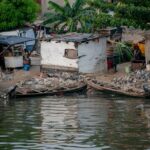
• Where it is found: Urban riverbanks and water near settlements show high coliform counts, sometimes exceeding safe limits by more than 100 times.
5. Chemical Pollutants from Industry and Agriculture
Industrial waste, mining, and agricultural chemicals pollute rivers and groundwater. These include pesticides, heavy metals, and other toxins.
• Why it is dangerous: These chemicals can cause long-term health effects, including cancer and organ damage.
• Where it is found: The freshwater region of the Gambia River is vulnerable to contamination from urban and industrial waste, especially where wastewater is not properly treated.
Waste Management and Its Role in Water Pollution
Poor waste management is a major cause of water contamination in The Gambia. In urban areas, rapid population growth has led to more trash and waste being dumped near or directly into water bodies. Many neighborhoods lack proper waste collection and disposal services, resulting in garbage piling up and leaching harmful substances into surface and groundwater.
Industrial waste and household sewage often enter rivers untreated, increasing chemical and microbial pollution. This pollution not only affects drinking water quality but also harms aquatic life and ecosystems. Improving waste management systems and enforcing regulations on industrial discharge are critical steps to protect water quality.
Why Does Water Get Contaminated in The Gambia?
Several factors cause water contamination in The Gambia:
• Poor sanitation: Many people still practice open defecation or have latrines too close to water sources, allowing fecal matter to seep into groundwater.
• Aging infrastructure: NAWEC’s water pipes and treatment plants are old and poorly maintained, leading to leaks and contamination during water delivery.
• Flooding: Heavy rains and floods wash waste and chemicals into rivers and wells, especially in urban areas built on former wetlands.
• Lack of water treatment: Some water treatment plants fail to properly chlorinate water or maintain equipment, resulting in unsafe water reaching consumers.
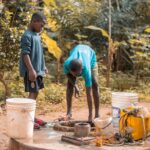
• Improper water handling: Even after water leaves treatment plants, contamination can occur at home due to dirty containers or poor hygiene.
Impact of Climate Change on Water Contamination
Climate change is making water contamination worse in The Gambia. Changes in rainfall patterns, more frequent droughts, and flooding events cause water sources to become polluted more easily. Flooding washes waste, chemicals, and fecal matter into rivers and wells, while droughts reduce water availability, forcing people to use unsafe sources. Saltwater intrusion from rising sea levels also increases salinity in groundwater, making it unsuitable for drinking or farming.
This worsening of water quality due to climate impacts means that protecting water sources and improving water treatment are more urgent than ever. Projects focusing on climate-resilient water infrastructure and better stormwater management are being developed to address these challenges.
Health Impacts of Contaminated Water
Drinking or using contaminated water causes many health problems in The Gambia:
• Diarrhea and cholera: Caused by bacteria like E. coli and other pathogens, these illnesses are leading causes of child sickness and death.
• Malaria and other vector-borne diseases: Flooding and poor sanitation create breeding grounds for mosquitoes.
• Long-term effects: Chemicals like nitrates and heavy metals can cause chronic diseases and developmental problems in children.
Improving water quality is essential to reduce these health risks and improve quality of life.
The Importance of Integrated Water Resources Management (IWRM)
To tackle water contamination effectively, The Gambia is working to improve its water management through Integrated Water Resources Management (IWRM). IWRM is a way of managing water that considers all parts of the water cycle and involves different sectors and communities in decision-making.
This approach helps coordinate efforts to protect water sources, control pollution, and allocate water fairly. However, The Gambia faces challenges like limited data, lack of trained staff, and weak coordination among agencies. Strengthening institutions and improving monitoring systems are priorities to make IWRM work well and ensure safe water for all.
What is Being Done to Improve Water Quality?
● Government Actions and Monitoring
The Gambian government, through the Department of Water Resources and the Public Utilities Regulatory Authority (PURA), monitors water quality and enforces standards. However, challenges remain due to limited resources and infrastructure.
• PURA has fined NAWEC for poor water treatment and maintenance failures.
• The government promotes better sanitation and hygiene practices to reduce fecal contamination.
• Routine testing of water sources is increasing, but more capacity is needed.
● Community Efforts and Education
Communities are encouraged to protect water sources by:
• Building latrines away from wells.
• Covering wells and boreholes to prevent contamination.
• Using safe water storage containers.
• Washing hands with soap before handling water.
These simple steps help reduce contamination at the household level.
● Role of Aqua Maya and NGOs alike
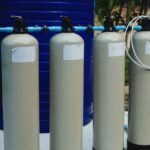
NGOs like Aqua Maya provide access to clean water. Some provide water technologies such as filtration systems and safe water storage solutions. They support government efforts by offering affordable options that reduce contaminants in drinking water, especially in urban and peri-urban areas where water quality is a serious concern.
How Can Families Protect Themselves?
Families can take several actions to make water safer at home:
• Boil water: Boiling kills bacteria and viruses.
• Use water filters: Simple filters can remove many contaminants.
• Store water safely: Use clean, covered containers to prevent dirt and insects from entering.
• Practice good hygiene: Wash hands with soap before touching water or food.
• Avoid drinking from unsafe sources: Use water from protected wells or treated piped water when possible.
Conclusion
Water contamination in The Gambia is a serious problem affecting many people’s health and well-being. Bacteria like E. coli, chemicals like nitrates, and poor sanitation all contribute to unsafe water. While the government and communities are working hard to improve water quality, challenges remain.
Aqua Maya and several other NGOs play an important role by providing solutions to help remove contaminants and make water safer. Everyone – from government officials to families – must work together to protect water sources, improve sanitation, and handle water safely.
Clean water is a basic right and a foundation for healthy lives. Understanding what is in the water helps us take the right steps to keep it safe for all Gambians.
Sources
1. https://ccij.io/article/water-paradox-in-the-gambia/
2. https://ejtas.com/index.php/journal/article/download/1497/1027/
3. https://www.sciencedirect.com/science/article/abs/pii/S0048969723014109
4. https://enchelonjournal.com/journals/index.php/IJPCB/article/view/15
6. https://www.lshtm.ac.uk/newsevents/news/2024/climate-change-and-water-insecurity-gambia