Who’s Helping Cabo Verde Solve Its Water Problems?

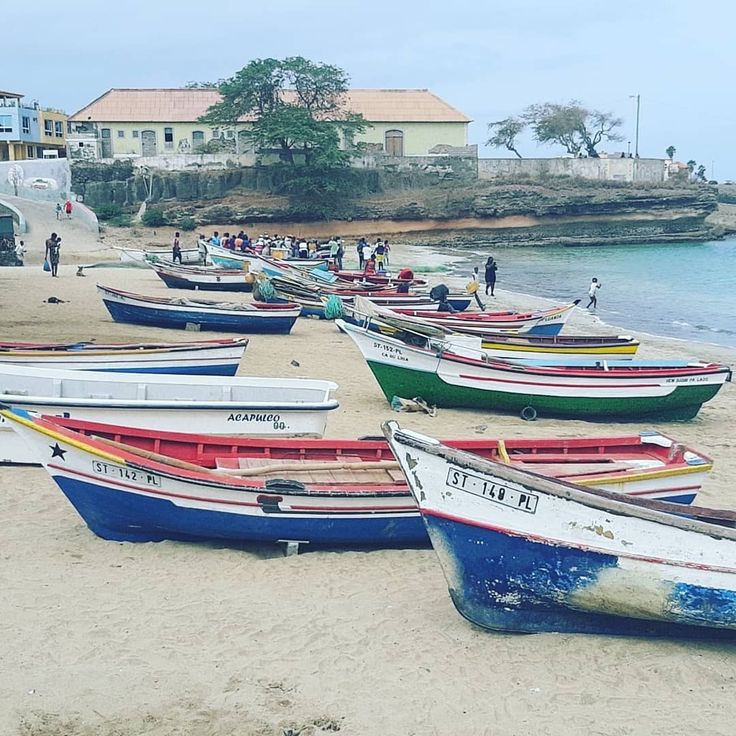
On the islands of Cabo Verde, the blue ocean stretches all around, but the people still struggle to find enough clean water. This is the daily reality for the people of Cabo Verde, a small group of islands off the coast of West Africa. Even though they are surrounded by water, finding enough clean, fresh water is a big problem.
Cabo Verde is a beautiful place. Tourists visit for its sunny beaches, warm weather, and friendly people. But behind the beauty, there is a struggle: many people do not have enough water to drink, wash, or grow food. The question is: who is helping Cabo Verde solve its water problems?
Let’s explore the story of Cabo Verde’s water, the challenges its people face, and the helpers who are working to make things better.
Why Is Water So Hard to Find in Cabo Verde?
Cabo Verde is made up of ten islands. The weather is hot and dry. There is very little rain, and sometimes it does not rain for months. There are no big rivers, and the land does not hold much water. The sun shines bright, making any water that does fall dry up quickly.
Here are some reasons why water is hard to find in Cabo Verde:
• Low Rainfall: There is not enough rain to fill lakes or rivers.
• No Major Rivers: The islands do not have rivers like many other countries.
• High Evaporation: The hot sun makes water disappear quickly.
• Growing Population: More people means more water is needed.
• Tourism: Many visitors use a lot of water, especially in hotels and resorts.
All of this means that people sometimes have to wait for water deliveries or pay high prices for water. Some families cannot get enough water for drinking, cooking, and cleaning.
How Do People Get Water in Cabo Verde?
1. Desalination: Turning Saltwater into Fresh Water
Since there is not enough fresh water, Cabo Verde uses a special process called desalination. This means taking salt out of ocean water to make it safe to drink. Desalination plants are machines that do this job. They are found on several islands, like Sal, São Vicente, and Praia.
• Desalination provides most of Cabo Verde’s fresh water.
• The largest plants can make thousands of liters of water every day.
• This water is used for homes, hotels, and even farms.
But desalination is not perfect. It uses a lot of electricity, which can be expensive. Sometimes, the cost of water is still too high for some families.
2. Groundwater and Dams
Some islands use water from underground, called groundwater. There are also small dams to catch rainwater, but because rain is rare, these do not always fill up.
3. Drip Irrigation
Farmers use a smart way to save water called drip irrigation. This system gives water straight to the roots of plants, drop by drop. It helps save water and grow more food, even when there is little rain.
The Helpers: Who Is Working to Solve Cabo Verde’s Water Problems?
Many people and groups are working together to help Cabo Verde get more clean water. Here are some of the most important helpers:
1. The Government of Cabo Verde
The government is leading the fight to make sure everyone has enough water. They have made plans to build more water pipes, fix old systems, and help families connect to the water network[.
• National Water and Sanitation Agency: This agency was created to improve water and sanitation for everyone.
• Social Access Fund: This fund helps poor families get water connections and toilets.
• New Water Utilities: The government started new companies to manage water better, like Aguas de Santiago, which serves the island where almost half the people live.
2. International Organizations
Many groups from around the world are helping Cabo Verde:
• Millennium Challenge Corporation (MCC): This group from the United States gave $41.1 million to improve water and sanitation. They helped build new pipes, fix old ones, and make water more affordable for poor families.
• United Nations (UN): The UN helps collect data, train workers, and support projects that bring clean water to more people.
• World Bank and FAO: These organizations study Cabo Verde’s water needs and help plan for the future.
3. Companies Building Desalination Plants
Some companies are building and running the machines that turn saltwater into fresh water:
• ACCIONA Agua: This company, along with its partners, built big desalination plants on the islands of Sal and São Vicente. These plants can make enough water for more than 100,000 people.
• ELECTRA: This is a local company that makes and delivers both water and electricity. They work with other companies to build and run water plants.
• Elemental Water Makers (EWM): EWM is working in small villages to make clean water using sunshine and special technology, so people do not have to pay high prices.
4. Local Farmers and Agribusiness Projects
Some projects help farmers use water wisely and grow more food:
• AquaSun Agribusiness Project: This project uses solar and wind power to make water for farms. It also gives jobs to local farmers and helps them learn better ways to save water.
• Drip Irrigation: Farmers use drip irrigation to save water and grow crops, even when there is little rain.
5. New Technologies and Innovations
New ideas are helping Cabo Verde use water better:
• Reverse Osmosis: This is a special way to clean water, used in many desalination plants.
• Smart Water Management: New systems help find leaks and fix them quickly, so less water is wasted.
How Has Life Changed for Cabo Verdeans?
Over the past 20 years, things have slowly improved:
• More people now have piped water at home or nearby.
• New water plants mean that even in dry years, there is water to drink and use.
• Special funds and programs help poor families get water connections.
• Girls and women spend less time carrying water, so they can go to school or work.
• Farmers can grow more food with less water, thanks to drip irrigation and new projects.
But problems remain. Water is still expensive for some families. Not everyone has a toilet or a shower at home. Some villages still wait for water trucks to arrive. The government and its partners know there is still much work to do.
The Role of Tourism
Tourism is important for Cabo Verde’s economy, but it also uses a lot of water. Hotels and resorts need water for pools, gardens, and guests. Sometimes, tourists use more water than local people. This makes it even more important to find new ways to save and share water fairly.
The Challenge of Climate Change
Climate change is making things harder. There are more dry years and less rain. Droughts are more common, and farmers worry about their crops and animals. This means that finding new water sources and saving every drop is more important than ever.
Aqua Maya: A Helping Hand
Aqua Maya is one of the NGOs that is helping with Cabo Verde’s water problems. By working with local partners and using modern technology, Aqua Maya supports projects that provide access to clean water. Their work is part of the bigger team effort to make sure everyone in Cabo Verde has enough water for a healthy life.
What Still Needs to Be Done?
Even with all these helpers, Cabo Verde still faces big challenges:
• Lowering the Cost: Water is still too expensive for some families.
• Fixing Leaks: A lot of water is lost through old pipes and leaks.
• More Toilets and Showers: Many homes still do not have good sanitation.
• Saving Water: Everyone must learn to use less water and not waste it.
• Using Clean Energy: Since desalination uses a lot of electricity, using solar and wind power can help lower costs and protect the environment.
A Look to the Future
The helpers in Cabo Verde are not giving up. The government, international partners, NGOs like Aqua Maya, and local people are all working together. They are building new water plants, fixing pipes, teaching people to save water, and using the power of the sun and wind.
If they keep working together, more families will have clean water at home. Farmers will be able to grow more food. Girls and boys will be able to go to school, instead of spending hours carrying water. And Cabo Verde will become a stronger, healthier place for everyone.
Quick Facts Table: Cabo Verde’s Water Story

Conclusion
Cabo Verde’s water story is one of hope and teamwork. Even though the islands are dry and the challenges are big, many helpers are working together to bring clean water to everyone. With smart ideas, hard work, and the help of nonprofits like Aqua Maya, Cabo Verde is moving closer to a future where no one has to worry about water again.
Sources
1. https://reportersonline.nl/cape-verdes-water-and-electricity-crisis-the-hidden-costs-of-development/
2 https://www.wathi.org/cape-verde-the-ocean-as-a-solution-for-water-crisis-atlantico-august-2019/
3. https://borgenproject.org/sanitation-in-cape-verde/
4. https://chunkewatertreatment.com/water-treatment-in-cape-verde-with-reverse-osmosis/
6. https://www.elementalwatermakers.com/desalination-cape-verde/
7. https://www.mcc.gov/resources/doc/evalbrief-032020-cvii-wash/
8. https://unosd.un.org/sites/unosd.un.org/files/day2_session_iii_10._cape_verde_updated.pdf
9. https://www.greenpolicyplatform.org/sites/default/files/downloads/best-practices/Cabo%20verde.pdf
10. https://www.africanews.com/2024/05/27/cape-verde-bearing-the-brunt-of-the-effects-of-climate-change/
11. https://reliefweb.int/report/cabo-verde/cabo-verde-dref-operation-final-report-no-mdrcv003