Why Clean Water Still Feels Out of Reach in The Gambia

Clean water is something many people take for granted, because it is readily available for their use. But it’s not so for a lot of families in The Gambia. Even though most people have access to some form of water, getting clean and safe water that won’t make them sick is still difficult. This article explains why clean water still feels out of reach in The Gambia and what is being done to change that.
Why Clean Water Is Hard to Get in The Gambia
1. Water Sources Are Limited and Often Unsafe
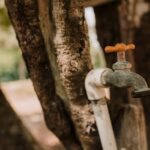
The Gambia relies mostly on underground water because surface water, like rivers, is often too salty or dirty to drink. The River Gambia and its tributaries have high salt levels, making the water undrinkable without treatment. This means people depend on wells and boreholes to get water, but these are not always available or well maintained.
2. Pollution and Waste Management Problems
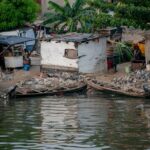
As cities and towns grow, more waste is produced, but there is not enough proper waste collection or disposal. Trash and waste from homes and small industries often end up near or in water sources, polluting them. This pollution makes water unsafe and spreads diseases.
• Challenges in Waste Management and Its Effect on Water Safety
As towns and cities in The Gambia grow, more trash and waste are produced. Unfortunately, there are not enough places to collect and safely throw away all this waste. Sometimes, garbage is dumped near rivers, wells, or open spaces. When rain falls, it washes this trash into water sources.
This pollution makes water dirty and full of germs. People who drink this water can get diseases like diarrhea, cholera, and typhoid. Many communities do not have proper toilets or sewage systems, so human waste can also pollute water.
Without good waste management, it is hard to keep water clean. The government and local groups are working to improve trash collection, but there is still a long way to go. Everyone must help by keeping their environment clean and using toilets properly.
• Effects of Urban Growth on Water Supply and Quality
As more people move to cities like Banjul and Serrekunda, the demand for water grows fast. But the water systems in these cities are old and often cannot keep up with the number of people needing clean water. Many new neighborhoods are built without proper water pipes or sewage systems.
This rapid urban growth causes more waste and pollution near water sources. Sometimes, open drains and sewers overflow, mixing dirty water with drinking water supplies. This makes it harder for city residents to get safe water every day.
Because of this, many urban families still rely on unsafe water from wells or vendors, which can cause illness. Improving water infrastructure in growing cities is very important to keep water clean and available for everyone.
3. Seasonal and Climate Challenges
The Gambia faces water shortages especially during dry seasons. Extreme weather like heavy rains can also affect water quality by washing pollutants into water sources. These changes make it hard for families to have steady access to clean water all year round.
• Impact of Flooding on Water Quality and Access
In The Gambia, heavy rains sometimes cause flooding. When floods happen, water from rivers and streets mixes with dirty waste and sewage. This dirty water can get into wells and other water sources that people use for drinking and cooking. When this happens, the water becomes unsafe, and many people can get sick.
Floods also damage water pipes and pumps, making it harder for families to get clean water. Some homes and villages get cut off from water supplies because roads and bridges are flooded. Flooding can force people to leave their homes, and in crowded places, it is even harder to keep water clean.
Because of flooding, many families have to find new water sources or boil water before using it. But not everyone has the tools or fuel to boil water. This makes flooding a big problem for clean water in The Gambia.
• Emergency Responses and Flood Recovery Efforts
The Gambia faces floods regularly, and these floods often damage water systems and pollute water sources with sewage and waste. In 2022, severe floods affected over 50,000 people and displaced thousands. Floodwaters broke water pipes and mixed toxic waste into rivers and wells.
In response, the government, United Nations, and partners like UNICEF and WHO quickly worked to provide clean water, food, and shelter to affected families. They also focused on fixing damaged water infrastructure and cleaning polluted areas.
Emergency plans now include better flood warning systems and stronger coordination between agencies to help people faster during disasters. These efforts are important to reduce the health risks caused by contaminated water after floods.
4. Infrastructure and Management Issues
The systems that supply water in The Gambia often suffer from poor management and lack of funds. Efforts to improve water supply have faced delays and problems due to weak institutions and government interference. This means that even when new water projects start, they may not work well or last long.
• Human Resource and Technology Gaps in Rural Water Supply
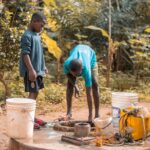
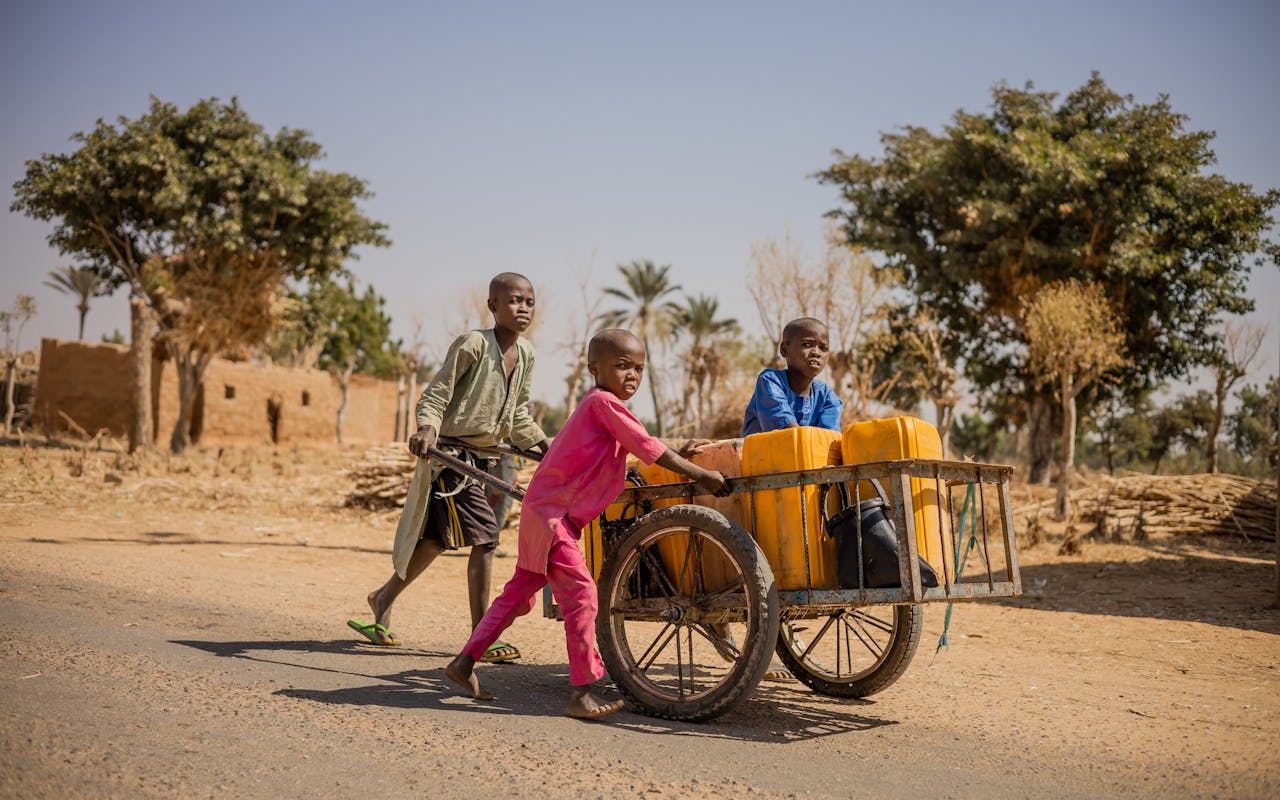
In rural parts of The Gambia, many villages rely on wells and boreholes for water. But keeping these water systems working needs trained people and the right tools. Unfortunately, many rural areas do not have enough skilled workers to fix broken pumps or maintain pipes.
Also, the technology used in some water systems is old or not suited for local conditions. This means pumps break down often and take a long time to repair. When water systems stop working, people must walk long distances to find water, which is hard for children and the elderly.
To improve water access, more training and better technology are needed. Support from the government and organizations can help rural communities keep their water systems running smoothly.
How Many People Have Access to Clean Water?
According to UNICEF, about 90% of households in The Gambia have access to some form of safe drinking water, and 60% have improved sanitation facilities. However, only about 34% of households have access to safe water systems that reliably provide clean water at home. Rural areas especially depend on charity groups and NGOs to build wells and provide clean water.
• Water and Sanitation in Schools and Health Facilities
Clean water and toilets are very important in schools and health centers. When children have clean water and good toilets at school, they can stay healthy and come to class regularly. But in many schools in The Gambia, water and sanitation facilities are not good enough.
Some schools do not have enough water for drinking or handwashing. This makes it easy for germs to spread among students. Sick children miss school, and sometimes diseases spread to their families.
Health centers also need clean water to treat patients safely. Without clean water, it is hard to keep wounds clean or stop infections. Improving water and sanitation in schools and health centers helps protect children and families from illness.
The Health Impact of Water Insecurity
When families do not have enough clean water, they often have to make tough choices. They might reduce hygiene practices or change their food habits, which can lead to health problems, especially for children. Waterborne diseases remain a big risk because unsafe water spreads bacteria and viruses.
What Is Being Done to Improve the Situation?
1. Government and International Support
The Gambian government has invested in water infrastructure and programs, spending about $1.7 million annually from 2002 to 2011. Projects aim to improve water availability in rural and peri-urban areas, helping both households and agriculture.
2. Nonprofits and Charities
Organizations like Aqua Maya are working hard to bring clean water to West Africa, including The Gambia. Aqua Maya’s mission is to provide clean water access to millions of people and reduce child deaths caused by waterborne diseases. They partner with local communities to install wells and water systems where they are needed most.
• Role of Charities and Private Sector in Supporting Water Access
Many charities and private groups play an important role in helping people get clean water in The Gambia. Organizations like Aqua Maya work with local communities to build wells and install water pumps where they are needed most.
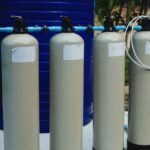
These groups often raise money to pay for drilling wells, buying water filters, and teaching people how to keep water clean. They also help maintain water systems so they last longer.
Private companies sometimes invest in water projects too. Together with charities, they fill gaps where government services are limited. Thanks to their work, many families in remote villages now have access to clean water for the first time.
3. Research and Community Action
Studies by groups such as the Medical Research Council in The Gambia show the importance of understanding local water challenges and involving communities in solutions. They recommend culturally sensitive and community-driven projects to reduce health risks from water insecurity.
Future Plans
The Gambia is working on better water governance and integrated water resource management to handle water scarcity, pollution, and climate impacts more effectively. International partners are helping to fund projects that build resilience and improve water services.
Conclusion
Clean water in The Gambia is still a challenge because of limited safe water sources, pollution, climate issues, and weak infrastructure. While many people have access to some water, safe and reliable water systems are not yet widespread, especially in rural areas. Efforts by the government, charities like Aqua Maya, and international organizations are making progress, but more work is needed to ensure every Gambian can easily reach clean water and live healthier lives.
Sources
1. https://borgenproject.org/private-help-water-quality-in-gambia/
3. https://borgenproject.org/clean-water-and-sanitation-in-the-gambia/
4. https://www.thegef.org/projects-operations/projects/10199
5. https://unece.org/sites/default/files/2024-10/THE_GAMBIA_Water_Governance_ENG.pdf
6. https://www.thegef.org/sites/default/files/web-documents/10199_LDCF_Gambia_PIF.pdf