Why Waterborne Diseases Are a Concern in Sierra Leone and How to Stay Safe

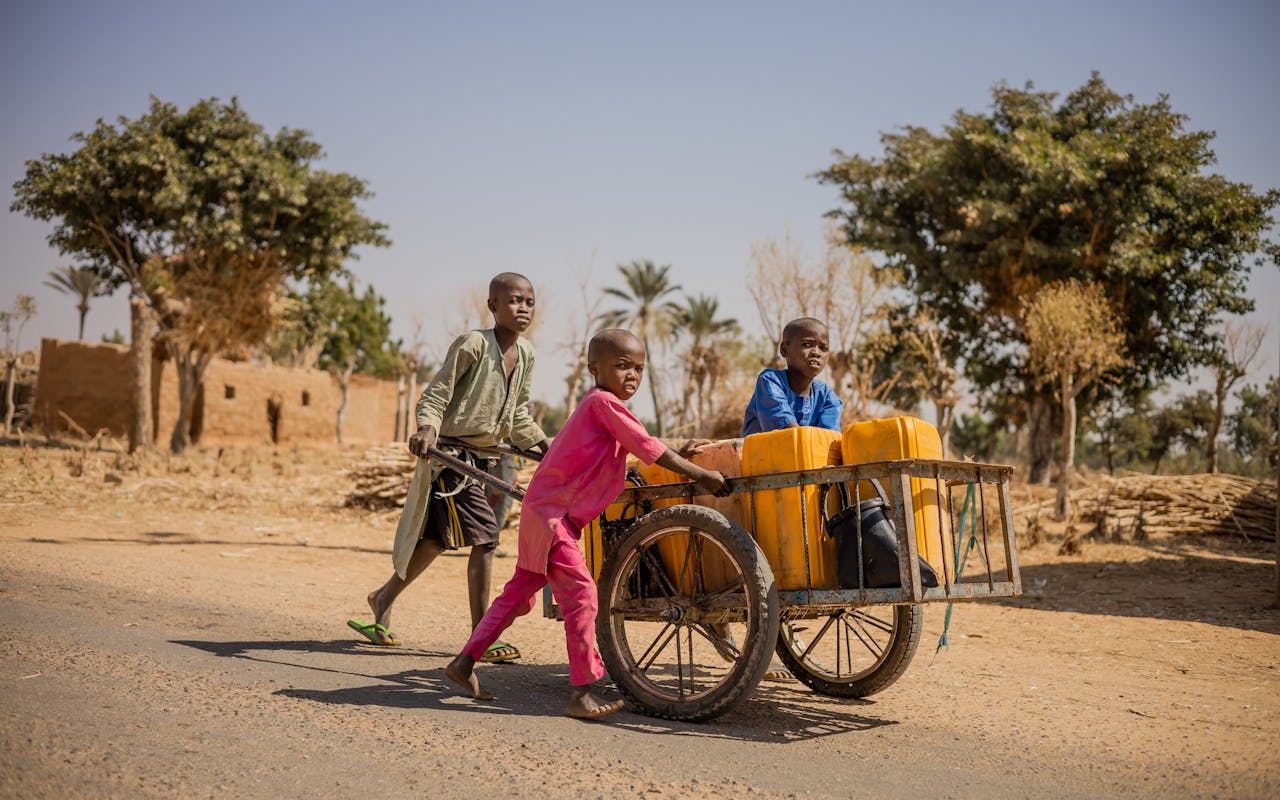
Every day in Sierra Leone, many families worry about one simple thing: water. Not just whether they have enough, but whether the water they drink could make them sick. Waterborne diseases are a silent threat, spreading through unsafe drinking water and poor hygiene. These illnesses affect thousands – especially children – and often go unnoticed until it’s too late.
In recent years, there’s been more attention on this issue. Government programs, communities, and non-profits like Aqua Maya are working to improve water safety, but the risks are still real. To protect lives, it’s important to understand the problem and know what we can do about it.
Understanding Waterborne Diseases
Waterborne diseases are caused by germs that live in water – especially when the water is dirty or untreated. When people drink, cook, or wash with this kind of water, they can get sick.
Some of the most common illnesses in Sierra Leone include:
-
Diarrhea: This is one of the leading causes of illness and death in young children. It often comes from drinking water that has been contaminated with human or animal waste.
-
Cholera: This disease spreads quickly, especially during floods or in crowded areas. It causes severe diarrhea and can be deadly without quick treatment.
-
Typhoid fever: Caused by bacteria in water or food, typhoid leads to high fever, weakness, and stomach pain.
-
Hepatitis A: Spread through contaminated water or food, it affects the liver and can make people very ill for weeks.
According to UNICEF, diarrheal diseases are responsible for a large share of deaths among children under five in Sierra Leone. Many of these cases are linked to unsafe water, poor toilets, and lack of handwashing.
Clean water is not just about comfort – it’s about survival.
Current State of Water Access in Sierra Leone
In many parts of Sierra Leone, safe drinking water is still hard to find. According to WHO and UNICEF’s Joint Monitoring Programme, only 63% of the population had access to improved water sources as of 2020. That means more than 3 million people still rely on unsafe wells, rivers, and taps.
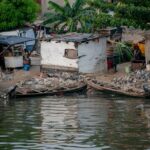
In cities like Freetown, old pipes often leak or get contaminated. A 2018 report by the Ministry of Water Resources found that 35% of urban water points had signs of E. coli, a bacteria that can cause serious illness. In rural areas, the situation can be even worse. Families depend on open wells, streams, or water holes that are often polluted by animals, human waste, or floods.
During the rainy season, from May to October, runoff from heavy rains can wash dirt and waste into water sources. And when the dry season comes, water becomes scarce, forcing people to travel long distances or store water in unsafe containers.
But change is happening. NGOs are working with local groups to build safer systems – from boreholes to simple filters – so communities can get water that doesn’t put their health at risk.
How Waterborne Diseases Affect Health and Daily Life
The effects of unsafe water go far beyond sickness.
Every year, waterborne diseases take a heavy toll on Sierra Leone’s families. In 2019, the World Health Organization reported several cases of diarrheal illness in the country. Many of these affected children, who are the most vulnerable. According to UNICEF, 1 in 7 children in Sierra Leone die before the age of five, often due to preventable illnesses linked to dirty water.
When a child is sick, they can’t go to school. When a parent is unwell, they can’t work or care for their family. And when a community has to deal with repeated illness, it slows down progress and deepens poverty.
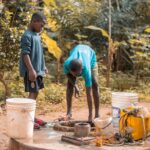
The time spent fetching water – especially by women and girls – also takes away from school, work, or rest. In some villages, families walk for hours each day just to collect water that might still make them sick.
That’s why safe water access isn’t just about health – it’s about freedom, education, and the chance to live with dignity.
Common Sources of Contaminated Water
In Sierra Leone, many water sources look clean but carry hidden dangers. Germs, chemicals, and waste often find their way into everyday water supplies, making them unsafe to drink or use.
Here are some common sources of contamination:
- Open Wells and Streams: These are widely used in rural areas. But without covers or proper drainage, they easily get polluted by animal waste, dirt, or runoff during rainstorms. Studies from UNICEF and the Ministry of Water Resources show that many open wells test positive for harmful bacteria, like E. coli, which comes from human or animal feces.
- Uncovered Storage Containers: When people collect water and store it in open or dirty containers, germs can spread quickly. Even clean water becomes unsafe if it’s not stored properly.
- Shared Tap Points: In towns and cities, public taps are often used by many households. If the pipes are old or damaged, they can let in sewage or other waste. In some places, illegal connections also increase the risk of contamination.
- Flooded Areas: During the rainy season, water from latrines and garbage dumps can mix with drinking water. Floods in Freetown cause a spike in waterborne diseases because clean water systems are overwhelmed by dirty runoff.
- Dry Season Sources: When wells dry up, people turn to shallow streams or dugouts. These are often stagnant and exposed, creating a breeding ground for disease.
Without regular checks, it’s hard to know if water is safe just by looking at it. That’s why education, testing, and simple tools, like water filters or covered containers, are so important.
How to Protect Yourself and Your Family
Even when safe water is hard to find, there are practical steps people can take to stay healthy:
- Boil Water: Boiling water for at least one minute can kill most germs. It’s one of the easiest and most effective ways to make water safe at home.
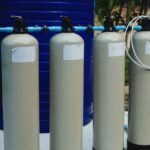
- Use Filters or Purifiers: Simple filters, like cloth or ceramic ones, can remove dirt and some germs. Where possible, chlorine tablets or safe purification drops can be added to improve water quality.
- Store Water Safely: Use clean, covered containers with narrow openings to stop dust and insects from getting in. Don’t dip hands or cups directly into stored water – use a clean scoop.
- Wash Hands Often: Before cooking, eating, or after using the toilet, wash hands with soap and safe water. Handwashing helps prevent the spread of waterborne diseases.
- Keep Water Sources Clean: Communities can build fences around wells, drain wastewater properly, and keep animals away from water points. Even small steps like these help protect the whole village.
Aqua Maya supports communities with training on these habits, helping families make the most of the water they have even before larger projects arrive.
The Role of Community and Government
Fighting waterborne diseases is not something individuals can do alone. It takes a shared effort.
At the community level, water committees and local leaders help manage wells, repair broken taps, and teach neighbors about safe practices. These grassroots efforts are key to making changes that last. In places where communities are active, water systems are more likely to work well and stay clean.
At the government level, policies and funding matter. The Sierra Leone Water Sector Strategy (2022–2030) includes goals to increase clean water access, especially in rural areas. The plan supports better infrastructure, local training, and stronger monitoring to keep water sources safe.
Partnerships between government bodies, communities, and NGOs create better results. When everyone plays their part, more people get the chance to drink safe water and live healthy lives.
What’s Being Done and What Still Needs to Happen
There has been progress in Sierra Leone, but the work is far from done.
In cities like Freetown, the World Bank-funded Urban Water Supply Project is helping improve old pipes and expand access. In rural areas, government programs have built new boreholes and trained people to manage them. According to the Sierra Leone Ministry of Water Resources, more than 300 boreholes were installed between 2020 and 2022 to bring clean water closer to remote communities.
NGOs have also played a big part. UNICEF and WaterAid have trained local workers, supported rainwater systems, and provided water filters. Thanks to these combined efforts, access to clean water has improved.
But challenges remain. Millions still rely on rivers, open wells, and other unsafe sources. Many communities lack trained workers to fix broken pumps. In some areas, people walk for hours to fetch water, often missing school or work as a result.
Aqua Maya and other partners are working to close these gaps by supporting community-led water projects – building systems that last because locals are involved from the start.
To truly protect people from waterborne diseases, Sierra Leone needs more than short-term fixes. It needs long-term support: better infrastructure, steady funding, strong community leadership, and policies that put health first.
How You Can Help
Clean water is everyone’s concern. Whether you live in Sierra Leone or somewhere else, your actions can make a difference.
- If you’re a resident: You can join a water committee, attend training sessions, or help maintain local water points. Simple actions – like keeping boreholes clean or reporting leaks – go a long way.
- If you’re a visitor or supporter abroad: You can support trusted NGOs, like Aqua Maya and others, that are building safe water systems in Sierra Leone. Donating, volunteering, or even just sharing accurate information helps raise awareness and support.
Sources
1. https://pubmed.ncbi.nlm.nih.gov/35145595/
4. https://tropmedhealth.biomedcentral.com/articles/10.1186/s41182-024-00633-0
7. https://idpjournal.biomedcentral.com/articles/10.1186/s40249-025-01294-9
8. https://www.afro.who.int/sites/default/files/2023-07/WHOSierraLeoneAnnualReportfor2022.pdf
9. https://www.unicef.org/sierraleone/water-sanitation-and-hygiene
10. https://gumavalley.sl/2022/12/08/vp-launches-wash-master-plan/