Exploring Water Quality in Côte d’Ivoire: Facts and Fixes

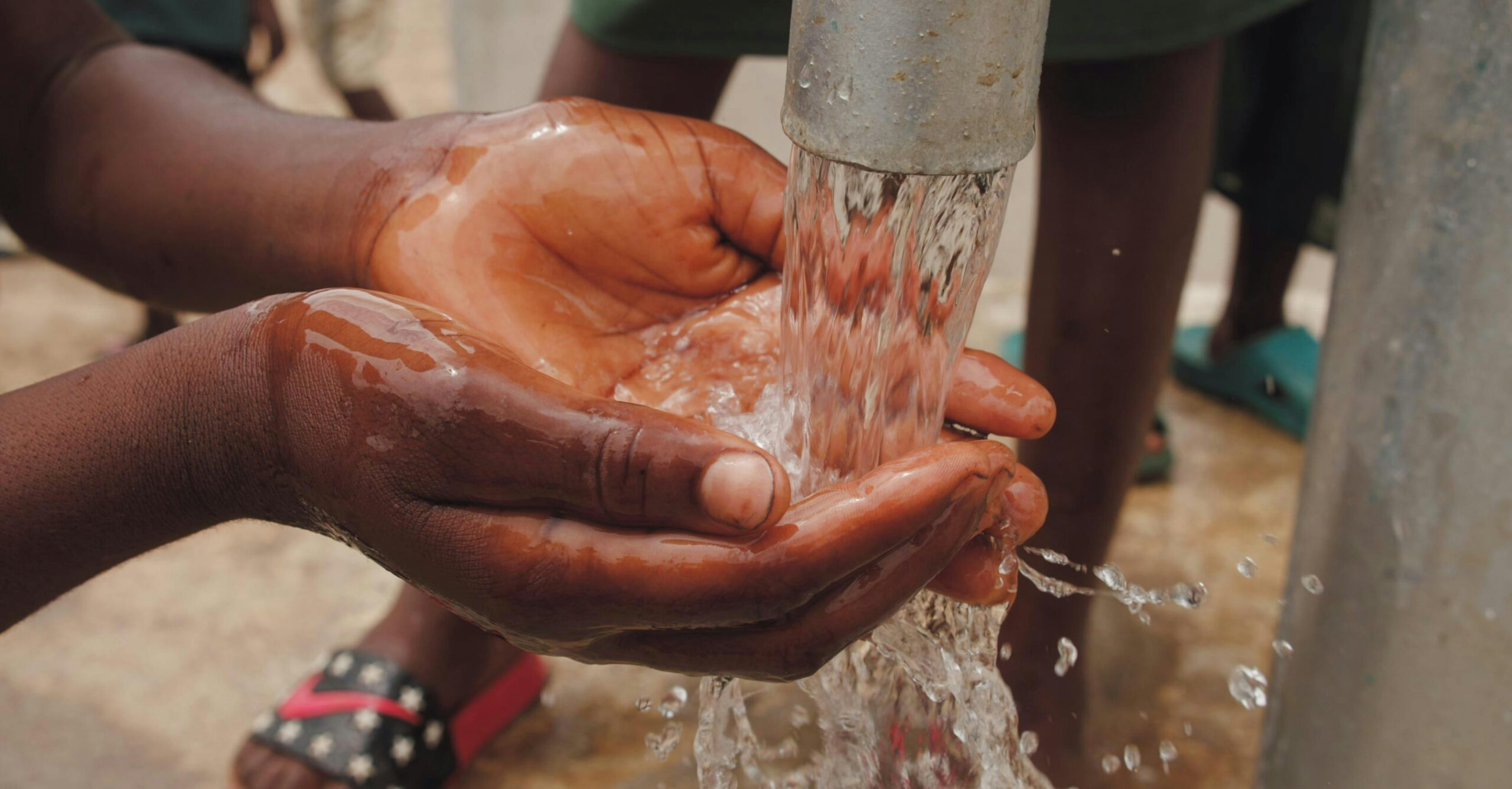
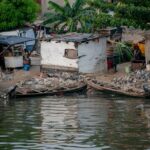
Water is all around the people of Côte d’Ivoire – in rivers, lakes, and rain. However many people still do not have clean water to drink or use every day. Even though there is a lot of water, not all of it is safe. This challenge affects health, education, and overall development. Understanding the water quality issues and the efforts to fix them is key to improving lives in this West African nation.
The State of Water Quality in Côte d’Ivoire
Lack of Access to Safe Drinking Water
Over four million Ivorians lack access to safe drinking water, with rural areas being affected the most – 46% of rural residents lack clean water, and 87% lack adequate sanitation. This shortage is not just about quantity but also the quality of water available.
Pollution of Water Sources
Rivers like the N’ZI, a vital water source, suffer from pollution. Studies show heavy metals in the N’ZI River exceed safe standards, indicating contamination from human activities. Similarly, artisanal gold mining introduces mercury and cyanide into water systems, contaminating drinking water and posing serious health risks.
Urban aquifers near Abidjan face threats from saline intrusion and nitrate pollution due to poor sanitation and waste management. These pollutants contribute to the spread of waterborne diseases such as cholera and diarrhea, which are major causes of child mortality in the country.
Impact of Urbanization and Population Growth
The civil war led to a population surge in cities like Yamoussoukro, overwhelming existing water and sanitation infrastructure. Insufficient wells and sewage facilities exacerbate water quality problems, especially in urban centers.
Social and Economic Consequences
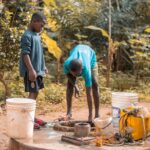
Water scarcity and poor quality affect education, particularly for girls, who often spend hours fetching water, leading to fatigue and poor school performance. Economic development also suffers, as communities spend significant resources on unsafe water or fall ill from waterborne diseases.
Efforts and Innovations to Improve Water Quality
National Projects and Infrastructure Development
Côte d’Ivoire’s government, with international support, has launched large-scale projects to improve water infrastructure. For example, a €52 million project funded by France aims to build a drinking water supply network from the Bandama River to cities like Gagnoa and Sinfra, providing water to underserved areas.
Additionally, new water towers and treatment plants are being constructed to supply about 100,000 people in regions like Koumokro, improving water pressure and quality.
Community-Driven Solutions and Technology
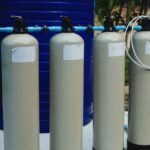
Local communities are innovating with simple, sustainable methods such as rainwater harvesting and bio-sand filters made from local materials. Solar-powered water pumps are increasingly used to access underground water without costly fuel or electricity, making clean water more accessible in rural areas.
Role of Organizations Like Aqua Maya
Nonprofits such as Aqua Maya play a crucial role by partnering with local leaders to support sustainable water solutions. They focus on reducing child mortality by providing clean water access to millions in West Africa, including Côte d’Ivoire. Their approach combines modern technology with community knowledge to create a lasting impact.
Monitoring and Regulation
The National Drinking Water Office (ONEP) regulates water quality, testing and approving water before distribution. Continuous monitoring of pollutants like heavy metals, pesticides, and microbial contaminants is essential to safeguard public health.
Major National Water Projects Driving Change
Côte d’Ivoire has launched one of its biggest water projects called “Water for All” (Eau pour Tous). This project aims to give clean drinking water to 97% of the population by 2025. It includes building 95 new water systems with wells, water towers, and pipes to bring water closer to people, especially in rural areas where many walk long distances to fetch water. This project is supported by international funding, including a €144 million loan arranged by Deutsche Bank, showing strong global support for improving water access in the country.
Focus on Northern Côte d’Ivoire: Multi-Village Water Systems
In the northern region, where water access is even harder, technical studies have been completed to build ten multi-village water supply systems. These projects will bring clean water to over 124,000 people by 2036. The plans have been approved by the National Office for Drinking Water (ONEP), ensuring the projects are well-designed and ready to improve living conditions in this part of the country.
Rehabilitating Water Infrastructure in Many Communities
The government is also working to fix old and damaged water infrastructure in 111 locations across Côte d’Ivoire. This effort will help about 1.3 million people gain better access to clean water, with the number expected to grow to over 2 million by 2035. Fixing pipes, wells, and treatment plants will make water supply safer and more reliable, especially in rural villages that have suffered from poor or broken water systems.
Urban Water Supply Reinforcement in Abidjan
The city of Abidjan faces water shortages due to rapid population growth. To address this, a project was completed that installed 12 new boreholes with pumps and built a water treatment plant capable of handling 40,000 cubic meters of water per day. This project also improved roads and extended pipes to connect new water sources to the city network, helping millions of residents get safer water.
Investments and Future Plans for Water and Sanitation
Côte d’Ivoire plans to invest more than US$5 billion by 2030 to meet the growing water needs of its people. This large investment will support building new water facilities, installing solar-powered pumps, improving sanitation, and expanding wastewater treatment, especially in cities like Abidjan, Bouaké, and San Pedro. These efforts will help raise the water access rate from 69% in 2016 to over 90% by 2021 and beyond
Using Technology to Monitor Water Quality in Real Time
New technology is helping Côte d’Ivoire keep a closer eye on water quality, especially in cities like Abidjan. Researchers are using machine learning and smart sensors to track pollution in groundwater and surface water in real-time. This means problems can be found and fixed faster, reducing health risks. These high-tech tools support better management of water resources and help authorities make informed decisions to keep water safe for everyone.
Community Monitoring and Hygiene Promotion
The Red Cross Society of Côte d’Ivoire runs a project that uses mobile phones to quickly monitor water points and sanitation in villages. Volunteers collect data on water pumps, latrines, and hygiene behaviors, sending it instantly to project managers. This helps identify broken pumps or unsafe water sources so they can be repaired quickly. The project also trains local people on how to maintain water points and improve hygiene, which reduces diseases linked to dirty water.
National Water Security and Sanitation Support Program
Côte d’Ivoire is implementing a major program called the Water Security and Sanitation Support Program, backed by the World Bank and other partners. This program focuses on improving water supply and sanitation in the country’s most vulnerable areas over five years. It aims to strengthen the capacity of local institutions, improve water resource management, and ensure that poor and rural communities get better access to clean water and sanitation. The program also promotes gender equality by supporting women’s participation in water management and reducing inequalities in water access.
Challenges in Water Governance and Coordination
Côte d’Ivoire faces challenges in managing its water resources because laws and institutions are not fully in place or well coordinated. For example, the National Water Agency and basin agencies needed for better water management have not yet been created. There is also a shortage of skilled workers and funding for water projects. These issues make it harder to implement plans like Integrated Water Resources Management (IWRM), which is important for protecting water quality and ensuring fair access across the country.
Linking Water Quality to Education and Hygiene in Schools
Access to clean water and sanitation in schools is crucial for children’s health and education. In regions like Kabadougou, projects are underway to build and repair water and hygiene facilities in schools, benefiting hundreds of students and teachers. These efforts include training on hygiene practices and maintenance of water points, helping to reduce diseases and improve attendance, especially for girls. Some initiatives even recycle plastic waste to build school infrastructure, combining environmental care with better water and sanitation services.
Challenges Ahead and the Way Forward
Despite progress, challenges remain:
- Expanding access to clean water in remote rural areas.
- Improving sanitation infrastructure to prevent contamination.
- Addressing pollution from mining and urban waste.
- Empowering women and youth to participate in water management.
- Ensuring sustainable funding and maintenance of water systems.
Supporting community-led initiatives and investing in infrastructure, technology, and education will be critical. Organizations like Aqua Maya exemplify how collaboration between local knowledge and external support can transform water access.
Clean water is more than a resource; it is the foundation of health, education, and prosperity. Côte d’Ivoire’s journey to improve water quality is ongoing, with promising projects and community efforts lighting the way toward a healthier future.
Sources
1. https://borgenproject.org/5-facts-water-quality-in-cote-divoire/
2. https://www.iosrjournals.org/iosr-jestft/papers/Vol18-Issue9/Ser-2/D1809023439.pdf
3. https://www.egis-group.com/projects/a-huge-drinking-water-supply-project-in-cote-d-ivoire