Rain, Rivers, or Wells: Which Water Sources Are Safest in Côte d’Ivoire?

People will always need water to drink, cook, and wash. But not all water is safe to use. Some water can make you sick. This article will look at three main water sources: rain, rivers, and wells. We will see which one is safest for people in Côte d’Ivoire.
Why Water Safety Matters
Water is life. Everyone needs it every day. But dirty water can cause sickness. In Côte d’Ivoire, many people get sick from water that is not clean. Water that is not safe can cause diarrhea, cholera, and other diseases. Children and old people are most at risk. Many children have died because of bad water. This is why it is very important to know which water is safe to use.
Rain: Is It Safe?
Rainwater falls from the sky. It looks clean. Many people in Côte d’Ivoire collect rainwater to use at home. But is rainwater always safe?
Sometimes, rain can pick up bad things from the air. In big cities like Abidjan, factories and cars make the air dirty. When it rains, water can catch dust and chemicals from the air. Scientists found that rainwater in Abidjan has small amounts of bad chemicals called PAHs. These can cause health problems if people drink the water for a long time.
If you want to use rainwater, it is best to collect it in a clean container. The roof and gutters must be clean too. This helps make sure the water is safe.
Rivers: Are They Clean?
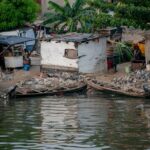
Rivers flow across the country. Some rivers are big. Some are small. Many people use river water for drinking, washing, and farming.
But rivers are not always clean. Sometimes, people throw trash in the river. Factories put dirty water in the river. Farms use chemicals that can wash into the river. All these things can make the water unsafe.
In Côte d’Ivoire, some rivers and lagoons are very dirty. The Ébrié Lagoon, for example, is polluted with waste and chemicals. This can make people sick if they drink or use the water.
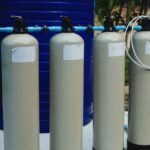
If you must use river water, it is best to treat it first. Boiling or filtering can help make it safer.
Wells: What Are the Risks?
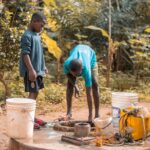
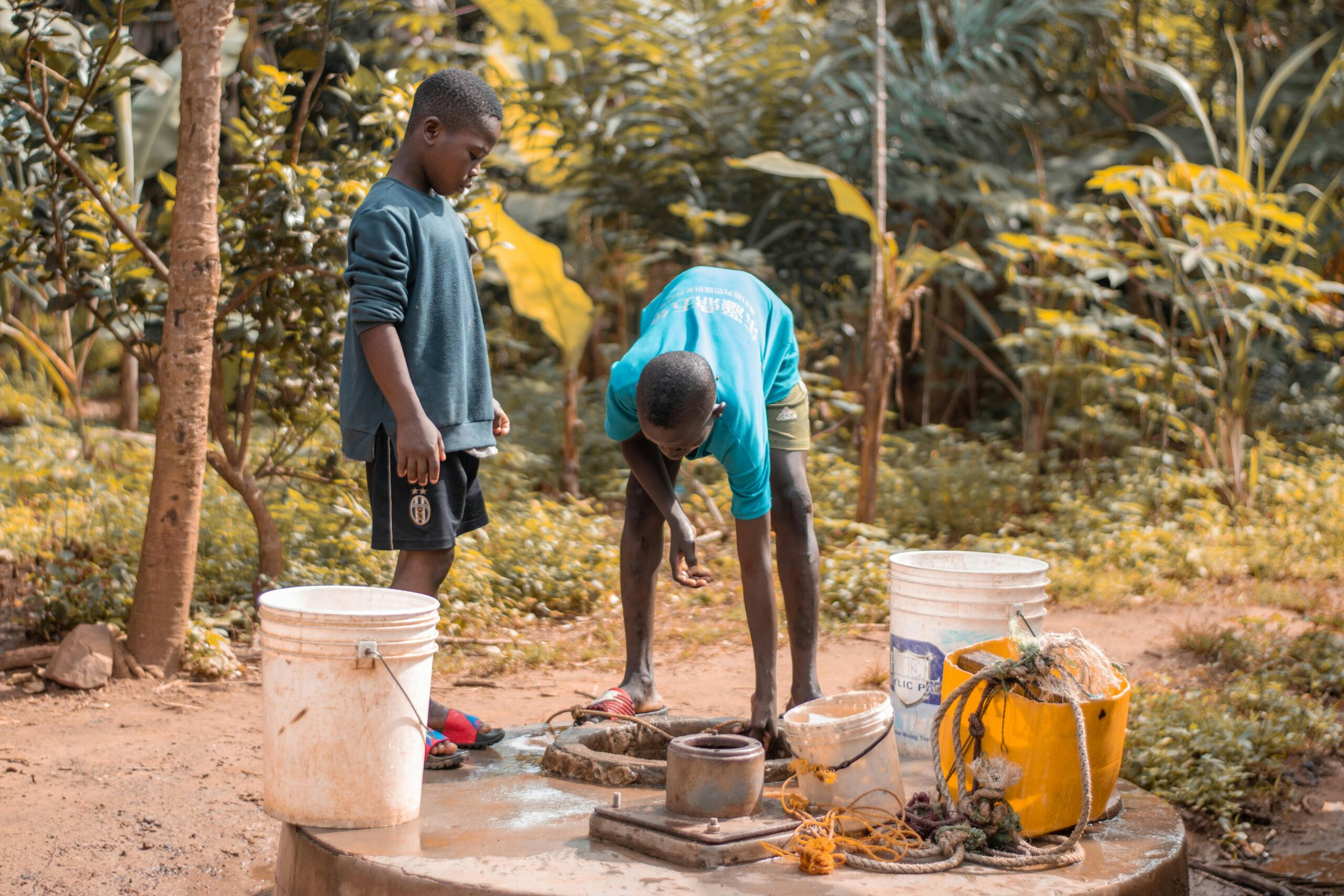
Wells are holes in the ground. They get water from under the earth. Many people in Côte d’Ivoire use wells for drinking water.
Some wells are safe. Some are not. The safety of well water depends on how the well is built and where it is. If a well is near a toilet or a dirty place, the water can get dirty. Sometimes, waste water or chemicals can leak into the well.
Scientists tested well water in Ferkessédougou, a city in the north. They found that some wells had water that was not clean. The water had germs and dirt. Wells with low walls or no cover were more likely to have dirty water.
Boreholes are deep wells. They are usually cleaner than shallow wells. But even boreholes can get dirty if not taken care of.
Which Source Is Safest?
Let’s compare the three water sources:

Boreholes are usually the safest wells. But not all wells are boreholes. Many people use shallow wells that can get dirty easily.
Rainwater is safe if collected in a clean way. But if the air is dirty, the water can get dirty too.
River water is usually the least safe. It can have germs, chemicals, and waste.
Impact of Pollution and Chemical Contaminants on Water Safety
Water safety is not only about germs and bacteria. Chemical pollution is a growing concern, especially in urban and industrial areas. Studies in Abidjan have found polycyclic aromatic hydrocarbons (PAHs) in rainwater – these are harmful chemicals released by burning fossil fuels and industrial activity. Even though PAHs are found in low amounts, they pose health risks such as cancer if people use the rainwater regularly without treatment.
In rivers and groundwater, chemical contaminants like nitrates, iron, and pesticides have been detected. For example, a study of drinking water from 15 villages across Côte d’Ivoire found that many water sources had high turbidity, acidic pH, and contamination by fecal bacteria and pesticides like terbucarb. These chemicals can cause health problems ranging from stomach illnesses to long-term diseases.
This shows that even if water looks clear, it may still contain invisible chemical dangers. Protecting water sources from pollution and treating water before use are essential steps to keep people healthy.
Water Treatment Plants and Infrastructure Development: A Key to Safer Water
In Côte d’Ivoire, improving water safety is not just about choosing the right source – it also depends on how well the water is treated and delivered. Over the past years, the country has made big steps to build and improve water treatment plants and infrastructure, which help clean water from rivers, wells, and other sources before it reaches people.
One of the largest projects is the La Mé Water Treatment Plant, located about 40 kilometers north of Abidjan. This plant is designed to clean water taken from the La Mé River and can treat up to 240,000 cubic meters of water every day. After treatment, the clean water travels through pipelines to water towers and then to homes in several parts of Abidjan, including Cocody, Abobo, and Yopougon. This project helps reduce the use of groundwater, protecting wells and boreholes from being overused or polluted.
Besides large plants like La Mé, many smaller projects focus on fixing old wells and water pumps, especially in rural and conflict-affected areas. For example, over 61,000 people in western Côte d’Ivoire gained better access to clean water thanks to rehabilitated wells and water pumps. These efforts also include training local communities to maintain water points, so the water stays safe for longer.
New technologies are also being tested to treat wastewater – dirty water from homes and industries – so it can be cleaned and reused for farming or other uses. This helps save fresh water and keeps the environment healthier. One such project studied new ways to treat wastewater efficiently and safely, which could soon help many communities in Côte d’Ivoire.
Nonprofits like Aqua Maya support these efforts by working with local people to build and maintain safe water systems. They also teach simple ways to keep water clean at home, helping families stay healthy.
In short, water treatment plants and better infrastructure are crucial for making rainwater, river water, and well water safer. When water is properly treated and managed, it can protect millions of people from waterborne diseases and improve life across Côte d’Ivoire.
What Can Be Done?
Many groups are working to help people in Côte d’Ivoire get safe water. The government and NGOs are fixing old water systems. They are building new wells and water pipes.
Aqua Maya is one NGO that helps. They work with local communities to build safe water systems. They also teach the people how to keep water clean and healthy. Aqua Maya wants every person – particularly those in underserved communities – in West Africa to have clean water.
How to Keep Water Safe
Here are some simple tips to keep water safe:
- Use clean containers to collect and store water.
- Cover wells and boreholes so dirt and bugs cannot get in.
- Boil or filter water before drinking if you are not sure it is clean.
- Keep toilets and trash away from wells and rivers.
- Wash hands often to stop germs from spreading.
The Big Picture
In Côte d’Ivoire, many people still do not have safe water. Over four million people do not have clean drinking water. Over eight million do not have good toilets. This makes life hard and can make people sick.
Rainwater, rivers, and wells all have risks. Boreholes and clean rainwater are usually the safest. Rivers are often the least safe. But with care and help from NGOs like Aqua Maya, more people can have safe water every day.
What You Can Do
If you live in Côte d’Ivoire, you can help keep water safe. Use clean containers. Cover your well. Teach your friends and family about clean water.
If you want to help others, you can support NGOs doing great work like Aqua Maya and others. They work so hard to bring safe water to everyone in West Africa.
Final Thoughts
Water is very important. In Côte d’Ivoire, Rain, rivers, and wells are all used. Boreholes and clean rainwater are the best choices. Rivers are often not safe. With help from groups like Aqua Maya, more people can have safe water every day.
Summary Table

Key Takeaways
- Rainwater is safe if collected cleanly, but can pick up dirt from the air.
- River water is often dirty and can make people sick.
- Well water is usually safe if the well is built and kept well. Boreholes are safest.
- Groups like Aqua Maya help bring safe water to more people.
- Keeping water clean is everyone’s job.
Sources
1. https://borgenproject.org/5-facts-water-quality-in-cote-divoire/
2. https://iwaponline.com/jwh/article/20/6/985/88996/Source-of-polycyclic-aromatic-hydrocarbons-PAHs-in
3. https://m.elewa.org/Journals/wp-content/uploads/2023/11/7.Ouattara-1.pdf
4. https://www.sciencepublishinggroup.com/article/10.11648/j.ijnfs.20180706.11
5. http://welysisindustries.com/blog/the-water-treatment-market-in-cote-divoire
6. https://www.arabcont.com/english/project-811
7. https://reliefweb.int/report/c%C3%B4te-divoire/improving-water-access-former-conflict-areas
8. https://pumps-africa.com/la-me-drinking-water-treatment-plant-in-cote-divoire-to-come-online/