Simple Ways Ivorians Are Solving the Water Problem

Ivorians are tackling their water problems through a mix of traditional methods, community efforts, and innovative solutions, aiming to improve access to clean water and reduce waterborne diseases. Here are some simple yet effective ways they are addressing the challenge:
Community-Based Water Projects
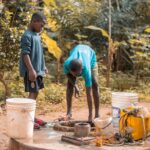
Many communities in Ivory Coast have taken charge by constructing and maintaining local water wells and boreholes. These projects often involve training locals to manage and repair the water points, ensuring sustainability. This grassroots approach empowers communities to have reliable access to water close to home.
Use of Traditional Water Harvesting Techniques
In rural areas, Ivorians use rainwater harvesting methods to collect and store water during the rainy season. Simple systems like rooftop catchments and storage tanks help households gather water for domestic use, reducing reliance on distant or contaminated sources.
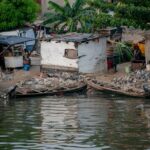
Safe Water and Sanitation for Displaced Populations in Abidjan
Following years of conflict, Abidjan hosts a large number of internally displaced persons (IDPs) living in informal settlements where access to safe water and sanitation is critically low. UNICEF and partners have responded by installing small solar-powered water systems in health centers and communities hosting asylum seekers, providing safe drinking water to over 13,000 people across multiple localities.
Each site typically receives two taps connected to these systems, ensuring reliable access to potable water for domestic use. Alongside water provision, hygiene kits have been distributed to thousands, and hygiene and sanitation committees have been established to promote good practices. These efforts reduce the risk of waterborne diseases, which disproportionately affect displaced populations living in crowded, unsanitary conditions. The focus on solar-powered systems also ensures sustainability in areas with limited electricity access.
Construction of One of West Africa’s Largest Drinking Water Plants
As part of the national “Water for All” program, a major water treatment plant is being built near Abidjan to address the city’s growing water demand. This plant will treat water from the La Mé river, producing up to 240,000m³ liters of potable water daily – enough to supply 2.4 million Abidjan residents.
The project includes a 28-kilometer pipeline network and two large water storage towers, which will improve water distribution and storage capacity. This infrastructure upgrade not only increases water availability but also helps protect groundwater resources by reducing over-extraction. The plant’s construction involves partnerships between local authorities and international firms, reflecting a coordinated effort to modernize Abidjan’s water supply system and improve urban living conditions.
$200 Million Clean Water Project in Abidjan
In line with the government’s commitment to universal water access, a $200 million project aims to expand water production capacity in Abidjan by 150,000m³ per day by 2038. This initiative includes building a new water intake station and additional storage towers in key neighborhoods to enhance supply reliability. The project addresses the challenges posed by rapid urbanization and population growth, which have strained existing water infrastructure.
By increasing both the quantity and quality of drinking water, the project reduces dependence on unsafe sources and water resellers, lowering health risks from contaminated water. It also complements ongoing sanitation improvements, contributing to better public health outcomes in the city.
Use of Low-Cost Technology
Low-cost technologies play a crucial role in expanding water access in Côte d’Ivoire, especially in rural communities where financial and technical resources are limited. Hand pumps and rope pumps are widely used to extract groundwater from wells and boreholes. These pumps are affordable, easy to maintain, and do not require electricity, making them ideal for off-grid areas. Their simple design allows local technicians and community members to perform repairs, ensuring sustainability.
In addition, solar-powered pumps are increasingly deployed to overcome challenges related to unreliable electricity supply. These pumps use renewable energy to draw water from underground sources, supplying water to villages, schools, and health centers. The use of solar energy reduces operational costs and environmental impact while providing a reliable water supply.
Improved Rainwater Drainage and Flood Control in Abidjan
Abidjan’s rapid urban growth has increased vulnerability to flooding, which contaminates water sources and spreads waterborne diseases. To counter this, the city has invested in improved rainwater drainage systems that effectively channel stormwater away from residential areas. These flood control measures reduce stagnant water accumulation, which can harbor pathogens and mosquitoes. Better drainage infrastructure also protects water supply points from contamination during heavy rains.
This integrated urban water management approach enhances public health by reducing the incidence of water-related illnesses and safeguarding the quality of drinking water in vulnerable neighborhoods.
Introduction of Water Purification Methods
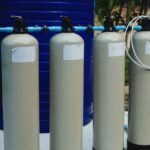
In many parts of Côte d’Ivoire, access to clean water is limited by contamination from natural and human sources. To address this, simple water purification methods have become essential tools for households and communities. Common techniques include boiling water before drinking, which kills harmful bacteria and viruses, and solar disinfection (SODIS), where water is exposed to sunlight in clear plastic bottles for several hours to reduce pathogens. Ceramic filters and locally made bio-sand filters are also gaining popularity as affordable, effective options to improve water quality at the point of use.
These methods are particularly important in rural and peri-urban areas where centralized water treatment is unavailable or unreliable. By adopting these purification techniques, communities reduce the incidence of waterborne diseases such as cholera and diarrhea, which remain significant health threats in the country.
Innovative Solutions and Partnerships
Organizations like Aqua Maya, a US-based nonprofit, are working to provide clean water access to millions in West Africa, including Ivory Coast. They implement efficient water projects focusing on reducing child mortality from waterborne diseases by installing wells and sanitation facilities. Their projects are transparent, with impact maps showing exact locations and progress, ensuring accountability and community trust.
Government and NGO Collaboration
The government, alongside NGOs, supports water infrastructure development by building sand dams, spring safeguards, and water wells. These structures help store and protect water sources, especially in dry seasons, improving water availability for both drinking and farming.
Education and Awareness Campaigns
Educating communities about water hygiene and sanitation is crucial. Many local initiatives teach the importance of clean water, proper storage, and personal hygiene to prevent disease spread. This knowledge helps communities use water resources wisely and maintain health.
Sustainable Water Management
Sustainable water management is critical for Côte d’Ivoire, a country rich in water resources but facing threats from pollution, deforestation, and climate change. Effective management ensures that water use today does not compromise availability for future generations while supporting agricultural productivity, biodiversity, and human health.
The government and partners are promoting integrated water resources management (IWRM) approaches that coordinate water use across sectors and regions. This includes protecting watersheds, regulating water extraction, and improving wastewater treatment to reduce pollution. For example, initiatives like the BENKADI program focus on mitigating coastal erosion and restoring mangroves, which serve as natural buffers protecting water quality and biodiversity.
Agricultural water management is also evolving, with efforts to adopt water-saving irrigation techniques such as drip irrigation and to improve soil health through agroecological practices. These methods increase water use efficiency and reduce runoff and erosion. Additionally, rainwater harvesting and groundwater recharge are encouraged to replenish aquifers and maintain water balance.
Capacity building, data-driven decision-making, and stakeholder cooperation are key components of sustainable management. Organizations such as the International Water Management Institute (IWMI) support Côte d’Ivoire by providing expertise in water accounting and governance, helping to optimize water use and adapt to climate variability.
Reinforcement of Abidjan’s Water Supply System
After the first civil war, 40% of Abidjan’s population lacked sustainable water access. A project co-financed by OFID and the Islamic Development Bank installed boreholes, pumps, a water treatment plant, and extended the water network with 75 standpipes and 2,000 private connections. This has significantly reduced the burden on women and children who previously fetched water, lowered costs by cutting out resellers, and improved health by reducing unsafe water use.
Rehabilitation of Water Infrastructure in Conflict-Affected Areas
In western Côte d’Ivoire, over 61,000 people gained access to clean water through rehabilitated pumps and treatment of 100 wells. Management committees, half women, were trained to maintain water sources and prevent waterborne diseases. Rehabilitation efforts continue with 45 more pumps in 39 villages, helping communities recover from war damage and infrastructure collapse.
Large-Scale Government Investment and the “Water for All” Program
The Ivorian government plans to invest over US$5 billion by 2030 to meet water needs nationwide. Access to drinking water rose from 69% in 2016 to 90% by 2021 due to infrastructure development, solar-powered village water systems, and improved sanitation in cities like Abidjan, Bouaké, and Korhogo. This program also extends wastewater networks to reduce pollution.
Rehabilitation and Development of Water Infrastructure Across 111 Locations
A major project funded by international loans aims to develop and rehabilitate water supply infrastructure in 111 rural locations, serving about 1.3 million people. This initiative focuses on safe water abstraction, treatment, storage, and distribution to improve access in areas with damaged or absent water infrastructure, supporting the government’s “Water for All” priority program
Solar-Powered Pumps and Rural Water Supply Improvement
The “Water for All” initiative, facilitated by Elof Hansson International, is providing clean water to 3 million people in rural areas using 1,000 solar-powered pumps and reservoirs. This approach reduces dependence on unreliable power grids and brings water closer to homes and livestock. The project also includes community education and training to ensure sustainable water management.
Recent Drinking Water Supply Inauguration in Gagnoa
Continuing the “Water for All” program, the government inaugurated a new water supply system in Gagnoa. It features a borehole pumping 14m³ per hour, connected by 23 km of pipes to a 100m³ storage tower. This infrastructure improves groundwater access and water storage, enhancing supply reliability for the local population.
Sources
1. https://opecfund.org/news/solutions-for-a-thirsty-and-crowded-abidjan
2. https://reliefweb.int/report/c%C3%B4te-divoire/improving-water-access-former-conflict-areas